
Experience the Best of EGYPT with Us
EGYPT
Cairo
Cairo, the heart of Egypt and one of the world's most captivating capitals, offers an extraordinary journey through thousands of years of history. Home to the iconic Pyramids of Giza, the Great Sphinx, and the treasures of the Egyptian Museum, the city blends ancient wonders with vibrant modern life. Wander through the bustling Khan El Khalili Bazaar, discover centuries-old mosques, and experience the energy of the Nile River flowing through the city. Cairo is the perfect introduction to Egypt's rich heritage and culture.
What to eat: Koshari, falafel, shawarma, grilled kebabs, stuffed pigeon, basbousa, and umm ali.
Aswan
Set along one of the most scenic stretches of the Nile, Aswan is known for its relaxed atmosphere, colorful Nubian culture, and breathtaking river views. Visitors can explore the beautiful Philae Temple, sail aboard a traditional felucca, visit Nubian villages, and discover the engineering marvel of the High Dam. Aswan also serves as the gateway to the magnificent Abu Simbel Temples, one of Egypt's most impressive archaeological sites.
What to eat: Grilled Nile fish, molokhia, lentil soup, Nubian bread, dates, and hibiscus tea.
Luxor
Often referred to as the world's greatest open-air museum, Luxor is a dream destination for history enthusiasts. Once the ancient city of Thebes, it is home to extraordinary monuments including the Karnak Temple Complex, Luxor Temple, and the legendary Valley of the Kings. Visitors can walk in the footsteps of pharaohs, admire ancient tombs, and enjoy unforgettable sunrise hot air balloon rides over the Nile Valley.
What to eat: Kofta, grilled lamb, stuffed vegetables, Egyptian flatbread, and traditional mezze.
Sharm El Sheikh
Located on the southern tip of the Sinai Peninsula, Sharm El Sheikh is Egypt's premier luxury beach destination. Famous for its crystal-clear waters, vibrant coral reefs, and world-class diving sites, it attracts travelers seeking relaxation and adventure alike. Visitors can explore Ras Mohammed National Park, enjoy desert safaris, take boat cruises, or simply unwind at luxurious Red Sea resorts.
What to eat: Fresh seafood, grilled fish, shrimp, calamari, lobster, mezze platters, and kebabs.
Alexandria
Founded by Alexander the Great, Alexandria is a fascinating Mediterranean city where ancient history meets coastal elegance. Visitors can explore the impressive Bibliotheca Alexandrina, stroll along the scenic Corniche, visit the Citadel of Qaitbay, and discover the city's rich Greco-Roman heritage. Its relaxed seaside atmosphere makes it one of Egypt's most charming destinations.
What to eat: Fresh fish, seafood tagines, grilled prawns, calamari, rice dishes, and Mediterranean specialties.
Hurghada
Hurghada is one of the Red Sea's most popular resort destinations, offering beautiful beaches, year-round sunshine, and spectacular underwater landscapes. It is a paradise for snorkeling, diving, water sports, and island excursions. Beyond the coast, visitors can experience desert adventures, Bedouin culture, and vibrant marina nightlife.
What to eat: Grilled seafood, fish platters, shrimp, koshari, Egyptian mezze, and kebabs.
Siwa Oasis
Hidden deep within Egypt's Western Desert, Siwa Oasis is one of the country's most unique and enchanting destinations. Surrounded by palm groves, salt lakes, and golden dunes, Siwa offers a tranquil escape far from the crowds. Visitors can explore the ancient Shali Fortress, relax in natural springs, visit the legendary Temple of the Oracle, and experience the distinctive traditions of the Siwan people. Its untouched beauty and authentic atmosphere make it one of Egypt's most memorable destinations.
What to eat: Dates, olives, Siwan bread, lamb dishes, tagines, and traditional oasis cuisine.
TRAVEL TIPS
Best Time to Visit
The best time to visit Egypt is October to April, when temperatures are cooler and ideal for sightseeing, Nile cruises, desert excursions, and exploring ancient monuments. The Red Sea resorts can be enjoyed throughout the year, while winter offers the most comfortable conditions for visiting historical sites.
Guidelines for Travelers
Egypt is well connected by domestic flights, trains, private transfers, and scenic Nile cruises, making travel between major destinations both convenient and comfortable. Guided tours are highly recommended when visiting historical and archaeological sites, as they provide valuable insights into Egypt's extraordinary history and help visitors make the most of their experience.
Weather & Packing
Egypt enjoys a warm and sunny climate throughout the year, with particularly hot temperatures during the summer months. Lightweight, breathable clothing is ideal for daytime sightseeing, while comfortable walking shoes are essential for exploring temples, archaeological sites, and city streets. Sunglasses, sunscreen, and a hat are highly recommended to protect against the strong desert sun, and carrying a reusable water bottle can help you stay hydrated throughout your journey.
Local Culture & Etiquette
Egypt is a welcoming country with deep cultural traditions and a strong Islamic heritage. Modest clothing is recommended for both men and women, particularly when visiting religious sites, historic monuments, and rural communities. Clothing that covers the shoulders and knees is generally appreciated, and women may wish to carry a scarf when entering mosques.
Health & Drinking Water
To avoid stomach discomfort, drink only sealed bottled water and avoid tap water. Staying hydrated is especially important during warmer months, and travelers should also use bottled water when brushing their teeth in remote areas.
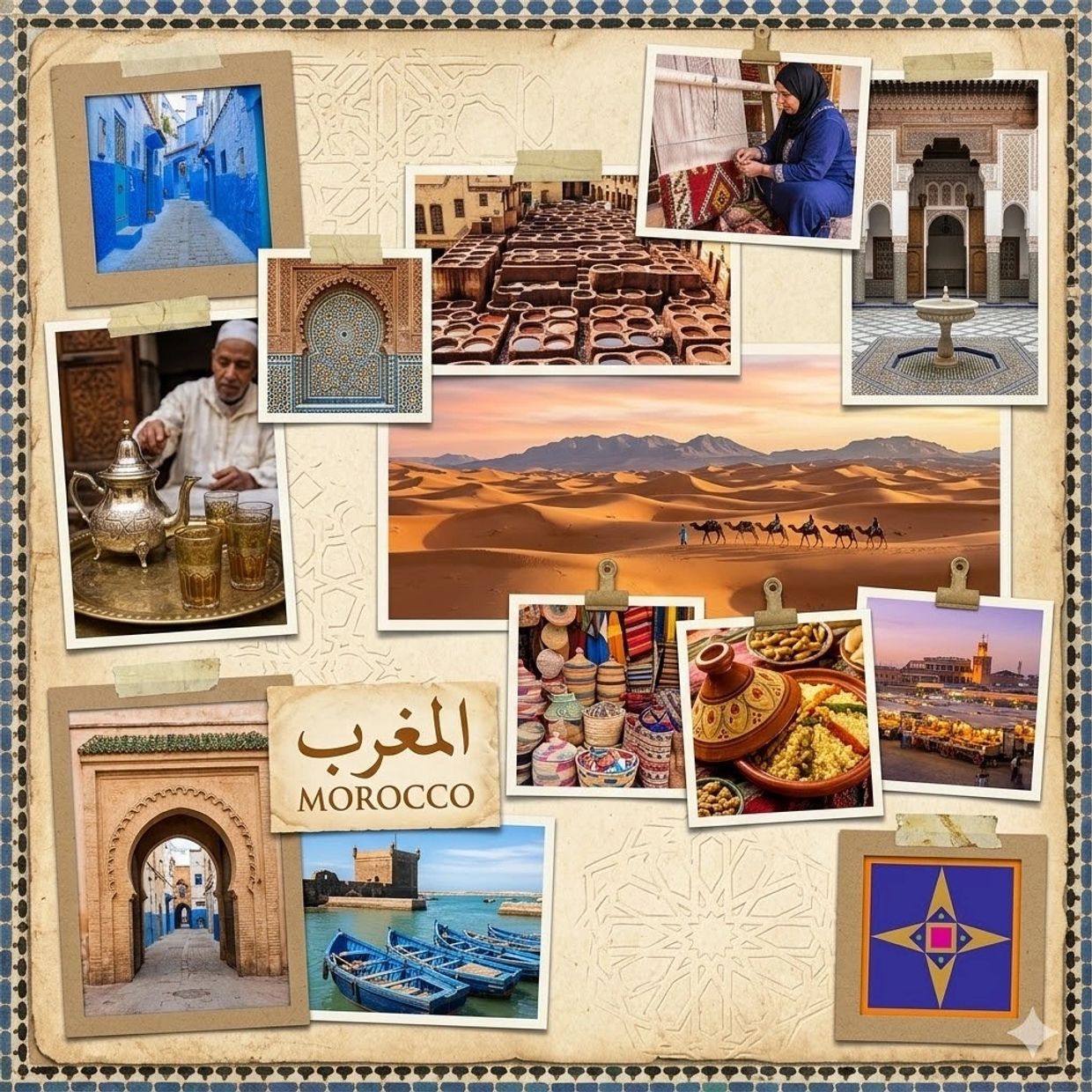
Experience the Best of MOROCCO with Us
MOROCCO
Marrakech
Marrakech is Morocco's most famous tourist destination, known for its vibrant souks, historic palaces, colorful gardens, and the lively Jemaa el-Fnaa square. Visitors can explore traditional markets, admire stunning Islamic architecture, and enjoy the city's rich cultural atmosphere.
What to eat: Try traditional Moroccan tagine, lamb with prunes, couscous, pastilla (savory pie), and fresh mint tea.
Best time to visit: March to May and September to November when temperatures are pleasant.
Travel tip: Bargaining is expected in the souks, so negotiate prices politely.
Fez
Fez is Morocco's spiritual and cultural heart, home to one of the world's largest medieval medinas, Fes el Bali. The city is famous for its ancient mosques, madrasas, tanneries, and traditional craftsmanship. Walking through its maze-like streets feels like stepping back in time.
What to eat: Enjoy b'stilla (pastilla), harira soup, mechoui (slow-roasted lamb), and traditional Moroccan sweets.
Best time to visit: April to June and September to October.
Travel tip: Hiring a local guide can help navigate the medina's complex alleyways.
Chefchaouen
Known as the "Blue Pearl of Morocco," Chefchaouen is famous for its blue-painted streets and buildings set against the scenic Rif Mountains. The city offers a relaxed atmosphere, stunning photography opportunities, and charming local markets.
What to eat: Sample goat cheese, tagine, fresh olives, and traditional Moroccan bread. Best time to visit: March to May and September to November.
Travel tip: Wear comfortable walking shoes as the town's streets are steep and cobbled.
Casablanca
Casablanca is Morocco's largest city and economic center, blending modern urban life with historic charm. Its highlight is the magnificent Hassan II Mosque, one of the largest mosques in the world. Visitors can also enjoy the Corniche waterfront and vibrant dining scene.
What to eat: Try fresh seafood, grilled fish, tagine, and Moroccan pastries.
Best time to visit: March to May and September to November.
Travel tip: Casablanca serves as a major transportation hub and is ideal for starting a Morocco itinerary.
Rabat
Morocco's capital city offers a relaxed atmosphere, beautiful gardens, historic monuments, and a picturesque coastline. Attractions include the Kasbah of the Udayas, the Hassan Tower, and elegant boulevards.
What to eat: Enjoy seafood dishes, couscous, tagines, and almond-based desserts.
Best time to visit: March to May and September to November.
Travel tip: Rabat is less crowded than Marrakech and Fez, making it ideal for leisurely exploration.
Aït Benhaddou
Aït Benhaddou is a spectacular UNESCO-listed fortified village built from traditional earthen clay architecture. It has served as a filming location for numerous movies and TV series. Visitors can wander through ancient alleyways and enjoy panoramic desert views. What to eat: Taste Berber tagines, local bread, dates, and Moroccan tea.
Best time to visit: March to May and October to November.
Travel tip: Visit early morning or late afternoon to avoid the desert heat and capture the best photographs.
Ouarzazate
Often called the "Gateway to the Sahara," Ouarzazate is famous for its desert scenery, film studios, kasbahs, and nearby valleys. It is a popular stop for travelers heading into the desert.
What to eat: Try Berber omelets, lamb tagine, couscous, dates, and local pastries.
Best time to visit: March to May and September to November.
Travel tip: Carry sunscreen, a hat, and plenty of water due to the dry desert climate.
Erg Chebbi
Erg Chebbi features some of Morocco's most spectacular Sahara sand dunes, reaching heights of up to 150 meters. Visitors can enjoy camel treks, luxury desert camps, stargazing, and unforgettable sunrise and sunset views over the dunes.
What to eat: Enjoy traditional Berber cuisine, tagines, couscous, dates, and mint tea in desert camps.
Best time to visit: October to April when temperatures are cooler and more comfortable. Travel tip: Desert temperatures vary greatly between day and night, so pack both light clothing and warm layers.
TRAVEL TIPS
Best Time to Visit
MAR-MAY AND SEP-NOV
Guidelines for Travelers
Morocco has a reliable transportation network, including modern trains, domestic flights, buses, and private transfers. High-speed rail connects major cities such as Casablanca, Rabat, and Tangier, while guided tours are recommended for desert excursions and remote regions.
Weather & Packing
Morocco offers diverse climates, from Mediterranean coastlines to desert landscapes and mountain regions. Lightweight clothing is ideal for warmer months, while layers are recommended for cooler evenings and mountain areas. Comfortable walking shoes, sunglasses, sunscreen, and a hat are essential for sightseeing.
Money & Payments
The official currency is the Moroccan Dirham (MAD). Credit cards are accepted in most hotels, restaurants, and larger shops, although carrying some cash is useful when visiting souks, small towns, and local markets.
Local Culture & Etiquette
Morocco is a culturally rich country with strong Islamic traditions. Modest clothing is recommended, especially in rural areas and when visiting religious or cultural sites. Respect for local customs, traditions, and photography etiquette is appreciated throughout the country.
Health & Drinking Water
Drink sealed bottled water whenever possible and avoid tap water if you have a sensitive stomach. Staying hydrated is particularly important when exploring cities during summer or visiting desert regions.
Shopping & Bargaining
Traditional souks are a highlight of any visit to Morocco. Bargaining is a common part of the shopping experience and is generally expected in local markets. Friendly negotiation is part of the culture and can be an enjoyable experience for visitors.

Experience the Best of ETHIOPIA with Us
ETHIOPIA
Addis Ababa
Addis Ababa, Ethiopia's dynamic capital, is a fascinating gateway to one of Africa's oldest civilizations. Nestled in the highlands, the city combines modern energy with deep-rooted traditions, offering visitors a unique cultural experience. Explore the National Museum of Ethiopia, home to the famous fossil "Lucy," visit the bustling Merkato—one of Africa's largest open-air markets—and discover the vibrant café culture that celebrates Ethiopia's world-renowned coffee heritage. As the headquarters of the African Union, Addis Ababa also plays a significant role in the continent's political and cultural landscape.
What to eat: Injera, Doro Wat, Tibs, Kitfo, Shiro Wat, and authentic Ethiopian coffee.
Harar Jugol
A UNESCO World Heritage Site, Harar Jugol is one of the most culturally rich and distinctive cities in Africa. Surrounded by ancient walls and filled with narrow winding alleys, colorful markets, and centuries-old houses, Harar offers a glimpse into Ethiopia's Islamic heritage. Often called the "City of Saints," it is home to numerous mosques and shrines. Visitors can immerse themselves in local traditions and witness the city's famous hyena-feeding ritual, a unique experience found nowhere else in the world.
What to eat: Harari Kitfo, spicy stews, fresh breads, local sweets, and traditional Ethiopian coffee.
Lalibela
Lalibela is Ethiopia's most iconic destination and one of the world's greatest religious and architectural wonders. Famous for its extraordinary rock-hewn churches carved directly into the mountainside, this sacred town attracts pilgrims and travelers from across the globe. The breathtaking Church of Saint George and the interconnected underground passages create an unforgettable spiritual and historical experience. Surrounded by dramatic highland scenery, Lalibela offers visitors a unique journey into Ethiopia's ancient Christian heritage.
What to eat: Injera with Shiro Wat, lamb dishes, Tej (honey wine), lentil stews, and traditional Ethiopian specialties.
Axum
Once the heart of the powerful Aksumite Kingdom, Axum is one of Africa's most important archaeological and historical treasures. The city is renowned for its towering obelisks, ancient ruins, royal tombs, and deep religious significance. Visitors can explore centuries of history while discovering a civilization that once rivaled the great empires of the ancient world. Axum remains a sacred destination and an essential stop for those interested in Ethiopia's remarkable past.
What to eat: Tsebhi, lentil dishes, Injera, traditional stews, and Tej honey wine.
Arba Minch
Known as the "Forty Springs," Arba Minch is one of Ethiopia's most beautiful natural destinations. Surrounded by lush landscapes and overlooking Lakes Abaya and Chamo, the city serves as a gateway to incredible wildlife and cultural experiences. Visitors can enjoy boat safaris to spot hippos and crocodiles, explore Nechisar National Park, and visit nearby tribal communities that showcase Ethiopia's extraordinary cultural diversity.
What to eat: Fresh tilapia, grilled fish, Ethiopian stews, tropical fruits, and local specialties.
Gondar
Often referred to as the "Camelot of Africa," Gondar is a city of castles, palaces, and royal history. The UNESCO-listed Fasil Ghebbi complex features impressive fortresses that reflect Ethiopia's imperial past and distinguish Gondar from any other city on the continent. Visitors can explore beautifully preserved churches, admire stunning religious art, and experience vibrant festivals that bring centuries-old traditions to life.
What to eat: Doro Wat, Beef Tibs, Misir Wat, Injera, and freshly brewed Ethiopian coffee.
TRAVEL TIPS
Best Time to Visit
The best time to visit Ethiopia is October to February, when temperatures are pleasant and rainfall is minimal. This period is ideal for exploring historical sites, trekking through the highlands, and experiencing cultural festivals throughout the country.
Guidelines for Travelers
Ethiopia's climate varies by altitude. Layered clothing, comfortable walking shoes, sunscreen, and a light jacket are recommended, especially in the highland regions.
The official currency is the Ethiopian Birr (ETB). Credit cards are accepted in larger hotels and establishments, but carrying cash is advisable for local markets and smaller towns.
Modesty: It's important to dress conservatively, particularly when visiting religious sites. Make sure your knees and shoulders are covered.
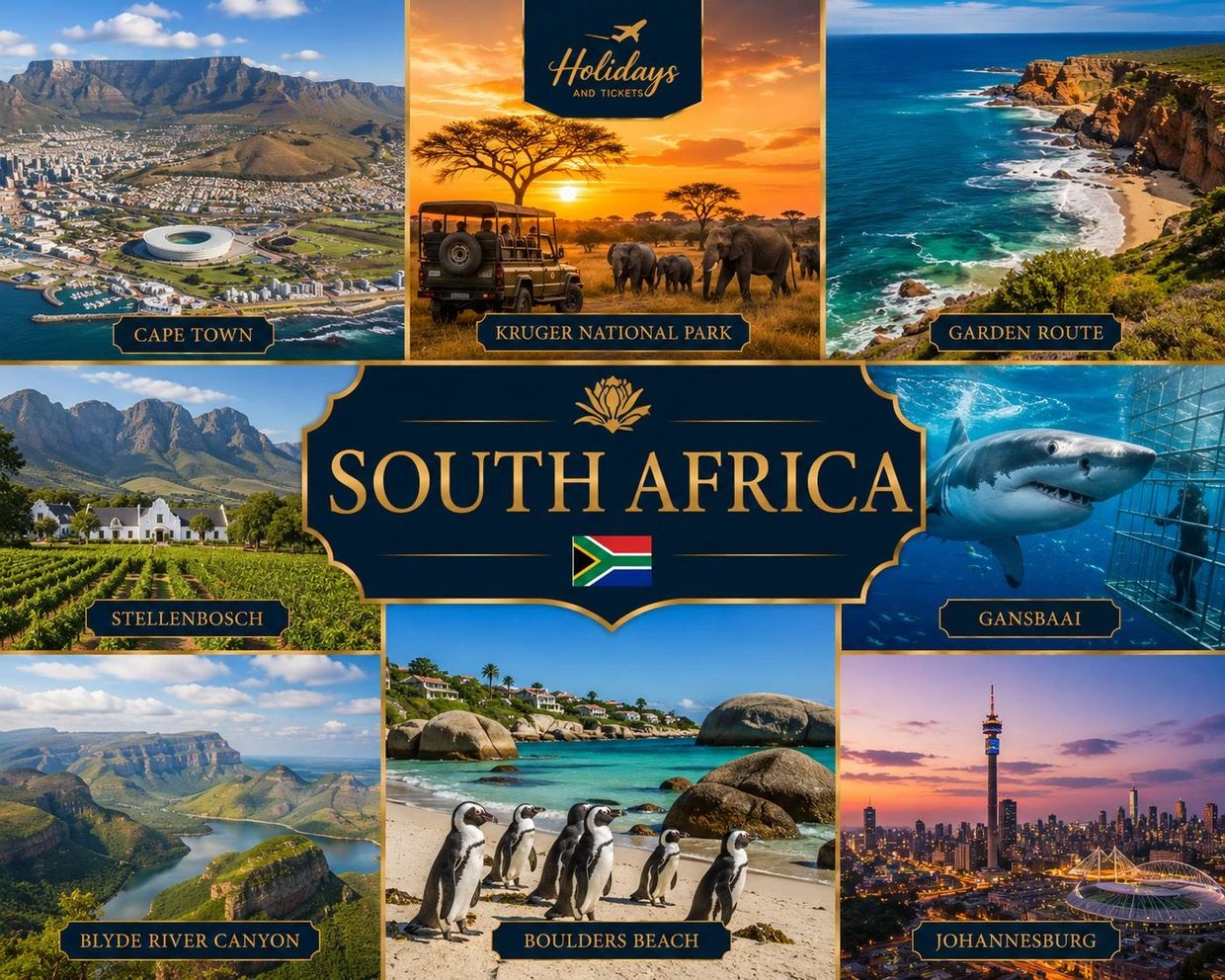
Experience the Best of SOUTH AFRICA with Us
SOUTH AFRICA
Cape Town
Cape Town is widely regarded as one of the world's most spectacular cities, where dramatic mountains meet pristine beaches and vibrant urban life. Dominated by the iconic Table Mountain, the city offers breathtaking scenery, rich cultural heritage, and unforgettable experiences. Visitors can take a cable car to the summit of Table Mountain, relax on the white sands of Camps Bay, explore the historic Robben Island, and enjoy shopping, dining, and entertainment at the lively V&A Waterfront. The nearby Cape Winelands and the scenic Cape Peninsula provide even more opportunities for exploration.
What to eat: Fresh seafood, Cape Malay curry, bobotie, snoek, fish and chips, and world-class South African wines.
Johannesburg
Johannesburg, often called the "City of Gold," is South Africa's largest and most dynamic metropolis. As the country's economic powerhouse, it offers visitors a fascinating blend of history, culture, and modern urban energy. Explore the Apartheid Museum, discover the vibrant street art and creative spaces of Maboneng, and visit Soweto, home to Nelson Mandela's former residence. Johannesburg provides a powerful insight into South Africa's past while showcasing its exciting future.
What to eat: Braai (barbecue), boerewors sausage, pap and chakalaka, bunny chow, and grilled meats.
Durban
Situated on the warm shores of the Indian Ocean, Durban is famous for its golden beaches, subtropical climate, and unique cultural diversity. Influenced by African, Indian, and colonial heritage, the city offers a vibrant atmosphere, bustling markets, and a beautiful waterfront. Visitors can enjoy the famous Golden Mile promenade, visit uShaka Marine World, and explore nearby wildlife reserves and coastal landscapes.
What to eat: Durban curry, bunny chow, grilled seafood, samoosas, tropical fruits, and local specialties.
Pretoria
Known as the "Jacaranda City" for its stunning purple blossoms in spring, Pretoria is South Africa's administrative capital and a city rich in history and elegant architecture. Visitors can explore the impressive Union Buildings, stroll through beautiful gardens, and discover important monuments that tell the story of the nation's past. Pretoria offers a more relaxed atmosphere while remaining close to Johannesburg's major attractions.
What to eat: Biltong, boerewors rolls, melktert, traditional stews, and South African comfort food.
Kruger National Park
One of Africa's greatest wildlife destinations, Kruger National Park offers an unforgettable safari experience across vast landscapes teeming with wildlife. Home to the legendary Big Five—lion, leopard, elephant, rhino, and buffalo—the park provides exceptional game-viewing opportunities, luxury lodges, and breathtaking natural beauty. Whether on a guided safari or self-drive adventure, Kruger is a highlight of any visit to South Africa.
What to eat: Braai specialties, game meats such as kudu and springbok, traditional stews, and local South African cuisine.
Blyde River Canyon
Blyde River Canyon is one of the largest and most spectacular green canyons in the world. Renowned for its dramatic cliffs, waterfalls, lush vegetation, and panoramic viewpoints such as God's Window and the Three Rondavels, the canyon offers some of South Africa's most breathtaking scenery. It is a paradise for nature lovers, hikers, and photographers seeking unforgettable landscapes.
What to eat: Potjiekos, grilled meats, farm-fresh produce, and regional Mpumalanga specialties.
Drakensberg Mountains
The Drakensberg Mountains, a UNESCO World Heritage Site, showcase some of South Africa's most dramatic natural landscapes. Towering peaks, cascading waterfalls, ancient San rock art, and endless hiking trails make this region a dream destination for outdoor enthusiasts. Visitors can enjoy trekking, horseback riding, wildlife encounters, and peaceful mountain retreats surrounded by spectacular scenery.
What to eat: Lamb dishes, trout, homemade breads, hearty stews, local cheeses, and mountain cuisine.
Stellenbosch
Located in the heart of the Cape Winelands, Stellenbosch is South Africa's premier wine destination. Surrounded by rolling vineyards and mountain scenery, the town is famous for its Cape Dutch architecture, award-winning wineries, and exceptional culinary experiences. Visitors can enjoy wine tastings, gourmet restaurants, scenic vineyard tours, and a relaxed atmosphere that perfectly captures the charm of the South African countryside.
What to eat: Premium steaks, artisanal cheeses, Cape Malay specialties, fresh seafood, and world-class local wines.
TRAVEL TIPS
Best Time to Visit
The best time to visit South Africa is March to May and September to November, when temperatures are pleasant and ideal for sightseeing, safaris, and outdoor activities. Wildlife viewing is particularly rewarding during the dry winter months from May to September, while Cape Town and the Garden Route are beautiful throughout much of the year.
Guidelines for Travelers
Avoid walking alone, especially after dark. Do not display signs of wealth like expensive jewelry or cameras.
Yellow Fever: A certificate is required if you are arriving from or transiting through a yellow fever-endemic region.
Ensure routine vaccinations

Experience the Best of MADAGASCAR with Us
MADAGASCAR
Andasibe-Mantadia National Park
One of Madagascar’s most famous wildlife destinations, Andasibe-Mantadia National Park is renowned for its lush rainforests and unique biodiversity. Visitors can spot the iconic indri, the largest living lemur, along with chameleons, orchids, and numerous bird species. Guided walks, both day and night, offer excellent opportunities to experience Madagascar’s extraordinary wildlife. While visiting, try traditional Malagasy dishes such as Romazava, a flavorful meat and leafy greens stew, and fresh tropical fruits grown in the region.
Avenue of the Baobabs
The Avenue of the Baobabs is Madagascar’s most photographed landmark, featuring majestic centuries-old baobab trees lining a dirt road near Morondava. The spectacular sunrise and sunset views make it a favorite destination for photographers and nature lovers. Visitors can also explore nearby villages and learn about local traditions. Food specialties in the area include fresh seafood from the west coast, grilled fish, and Koba, a traditional sweet made from rice, peanuts, and banana.
Tsingy de Bemaraha
A UNESCO World Heritage Site, Tsingy de Bemaraha is famous for its dramatic limestone formations, deep canyons, caves, and suspension bridges. This unique landscape offers adventure activities such as hiking, wildlife spotting, and exploring hidden caves. The reserve is home to several lemur species and rare endemic plants. Visitors can enjoy Malagasy cuisine featuring zebu beef dishes, rice-based meals, and locally prepared vegetables flavored with regional spices.
Nosy Be
Nosy Be is Madagascar’s premier beach destination, known for its turquoise waters, white-sand beaches, coral reefs, and luxury resorts. Popular activities include snorkeling, diving, whale watching, island hopping, and visiting spice plantations. The island’s relaxed atmosphere makes it perfect for both adventure and leisure travelers. Seafood lovers should try freshly caught lobster, prawns, grilled fish, and coconut-based Malagasy dishes accompanied by tropical fruits.
Antananarivo
The capital city of Madagascar, Antananarivo, often called “Tana,” combines history, culture, and vibrant local life. Visitors can explore colorful markets, historic palaces, colonial-era architecture, museums, and panoramic viewpoints overlooking the city’s hills. The city is also an excellent introduction to Malagasy culture and cuisine. Popular foods include Romazava, Ravitoto (cassava leaves cooked with meat), grilled zebu steak, and local pastries sold in traditional markets.
Royal Hill of Ambohimanga
The Royal Hill of Ambohimanga is a UNESCO World Heritage Site and one of Madagascar’s most sacred cultural landmarks. Once the spiritual and political center of the Merina Kingdom, it features royal palaces, ancient tombs, ceremonial sites, and well-preserved fortifications. Visitors gain valuable insight into Madagascar’s royal history and traditions while enjoying beautiful views of the surrounding countryside. Traditional Malagasy meals, including zebu meat dishes, rice specialties, and local desserts such as Koba, are highly recommended when visiting the area.
TRAVEL TIPS
Best Time to Visit
ALL YEAR ROUND
Guidelines for Travelers
DRINK BOTTLED WATER
CARRY INSECT REPELLENT
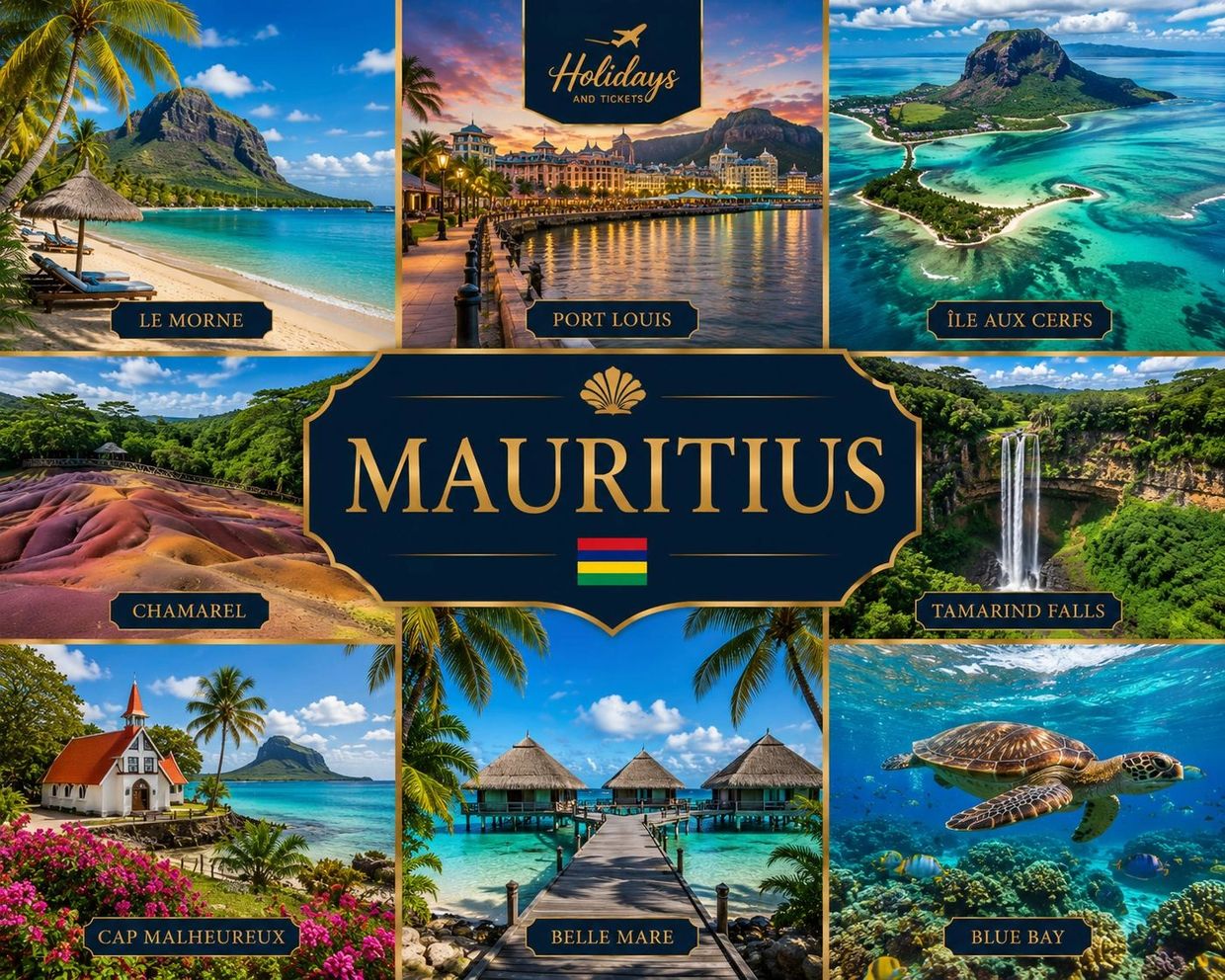
Experience the Best of MAURITIUS with Us
MAURITIUS
Mauritius
Mauritius is a tropical paradise known for its crystal-clear lagoons, white-sand beaches, lush mountains, and multicultural heritage. Visitors can enjoy water sports, nature reserves, luxury resorts, and a unique blend of Indian, African, French, and Chinese influences. While in Mauritius, try local favorites such as Dholl Puri, Seafood Curry, Rougaille, Mine Frite, and fresh tropical fruits.
Île aux Cerfs
Île aux Cerfs is one of Mauritius' most famous islands, renowned for its stunning white-sand beaches, turquoise waters, and exciting water activities including parasailing, snorkeling, and speedboat excursions. It is an ideal destination for relaxation and adventure. Visitors should sample freshly grilled seafood, lobster, fish curry, and tropical cocktails served at the island's beachside restaurants.
Flic en Flac Beach
Flic en Flac Beach is one of the longest and most beautiful beaches in Mauritius, offering calm waters, spectacular sunsets, and excellent snorkeling opportunities. The lively beachfront is lined with cafés and restaurants, making it a favorite destination for both locals and tourists. Popular dishes to try here include grilled fish, octopus curry, seafood platters, and Mauritian-style noodles.
Black River Gorges National Park
Black River Gorges National Park is Mauritius' largest protected natural area, featuring lush rainforests, waterfalls, scenic viewpoints, and hiking trails rich in native flora and fauna. Nature lovers can enjoy trekking and birdwatching while exploring the island's rugged interior. After a day of hiking, visitors can enjoy traditional Mauritian curries, fresh fruit juices, and local street snacks.
Port Louis
Port Louis, the capital city of Mauritius, combines colonial history, colorful markets, museums, and a bustling waterfront. Visitors can explore the Central Market, historic buildings, and cultural landmarks while experiencing the island's vibrant urban atmosphere. Food lovers should try Dholl Puri, Gateaux Piments (chili cakes), Briani, Boulettes (dumplings), and Alouda, a popular local milk-based drink.
Mahebourg
Mahebourg is a charming coastal town rich in history and traditional Mauritian culture. Located near the island's southeastern lagoon, it offers beautiful waterfront views, local markets, and access to marine excursions. The town is particularly known for its authentic seafood cuisine, including fish vindaye, octopus salad, seafood curries, and freshly caught grilled fish.
Curepipe
Situated in the cooler Central Highlands, Curepipe is known for its pleasant climate, colonial architecture, shopping opportunities, and proximity to the famous volcanic crater Trou aux Cerfs. The town provides a refreshing escape from the coastal heat. Visitors can enjoy Mauritian tea, pastries, samosas, curries, and local Creole specialties.
Grand Baie
Grand Baie is Mauritius' premier tourist resort town, famous for its lively atmosphere, luxury hotels, shopping centers, nightlife, and beautiful beaches. It serves as a hub for sailing, diving, and island excursions. Culinary highlights include seafood platters, grilled lobster, Creole curries, sushi, and a variety of international and Mauritian fusion dishes.
Cap Malheureux
Cap Malheureux is a picturesque fishing village best known for its iconic red-roofed church overlooking the turquoise lagoon and nearby islands. The area offers a peaceful atmosphere and excellent photography opportunities. Visitors should try freshly grilled fish, octopus curry, coconut-based seafood dishes, and tropical fruit desserts.
La Vanille Nature Park
La Vanille Nature Park is a popular wildlife attraction featuring giant Aldabra tortoises, crocodiles, monkeys, and lush tropical gardens. It is an excellent family-friendly destination that showcases Mauritius' unique biodiversity. During a visit, travelers can enjoy local Creole dishes, tropical fruit juices, vanilla-flavored desserts, and Mauritian-style snacks available at the park's restaurant.
Best Time to Visit Mauritius: May to December offers pleasant temperatures, low humidity, and ideal conditions for sightseeing, beach activities, and outdoor excursions.
TRAVEL TIPS
Best Time to Visit
(May - November)
Guidelines for Travelers
Yellow Fever: A Yellow Fever vaccination certificate is mandatory only if you are arriving from or have transited through a yellow fever-endemic country for more than 12 hours
CARRY SUNCREEN AND HATS
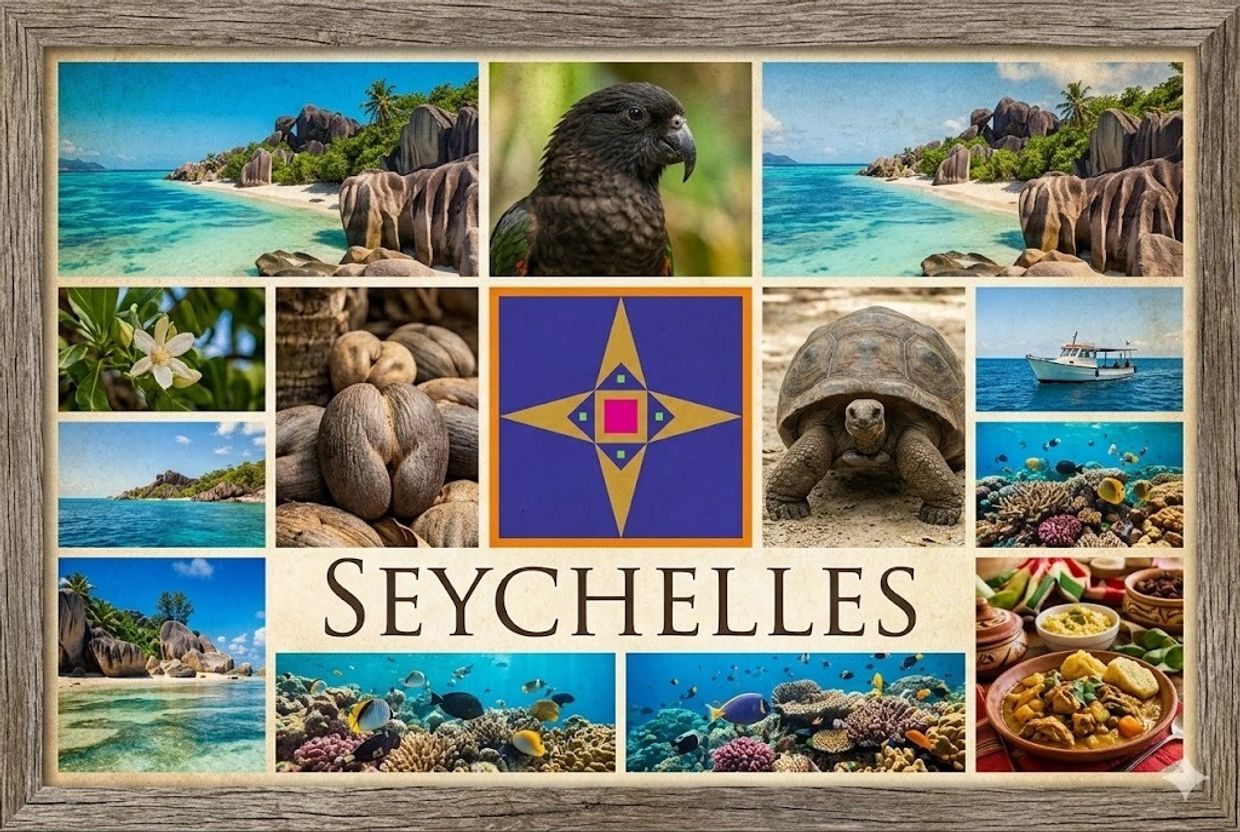
Experience the Best of SEYCHELLES with Us
SEYCHELLES
Seychelles
Seychelles is a tropical paradise made up of 115 islands, renowned for its pristine white-sand beaches, turquoise waters, granite rock formations, and rich marine life. Visitors can enjoy island hopping, snorkeling, diving, nature reserves, and some of the most beautiful beaches in the world. Creole culture, warm hospitality, and fresh seafood make Seychelles a dream destination for beach lovers and honeymooners.
Mahé
Mahé, the largest island in Seychelles, is home to the capital city, Victoria, and serves as the country's cultural and economic hub. Visitors can explore beautiful beaches such as Beau Vallon Beach, hike through lush rainforests in Morne Seychellois National Park, and discover vibrant local markets. Food lovers should try grilled red snapper, Creole fish curry with coconut milk, octopus curry, and fresh tropical fruits. Local specialties such as ladob (a coconut-based dessert) and freshly caught seafood are highly recommended.
Praslin
Praslin is famous for its stunning beaches and the UNESCO-listed Vallée de Mai Nature Reserve, home to the rare coco de mer palm. The island offers crystal-clear waters, excellent snorkeling, and a relaxed atmosphere. Visitors should sample grilled lobster, garlic butter prawns, tuna steaks, and traditional Creole curries. Freshly prepared seafood platters accompanied by local spices and tropical fruit juices are among the island's culinary highlights.
La Digue
La Digue is known for its laid-back charm, bicycle-friendly roads, and the iconic Anse Source d'Argent, one of the world's most photographed beaches. The island offers spectacular scenery, snorkeling spots, and traditional Creole village life. Visitors can enjoy freshly grilled fish, coconut crab dishes (where legally available), smoked fish salad, banana chips, and Creole-style seafood curries. The island's beachside cafés also serve delicious tropical fruit desserts and refreshing coconut drinks.
Curieuse Island
Curieuse Island is a protected nature reserve famous for its population of giant tortoises and unique red-earth landscapes. Visitors can walk nature trails through mangroves, observe wildlife, and enjoy pristine beaches ideal for snorkeling. As there are no permanent settlements or large restaurants on the island, meals are typically provided through organized excursions and often feature freshly grilled fish, barbecued seafood, Creole salads, rice dishes, and tropical fruits. A visit to Curieuse is best combined with a marine excursion to experience the island's natural beauty and local flavors.
TRAVEL TIPS
Best Time to Visit
April to May and October to November
Guidelines for Travelers
CARRY A TRAVEL INSURANCE
Seychelles beaches are frequently subject to warnings about severe rip currents, rough seas, and dangerous undertows
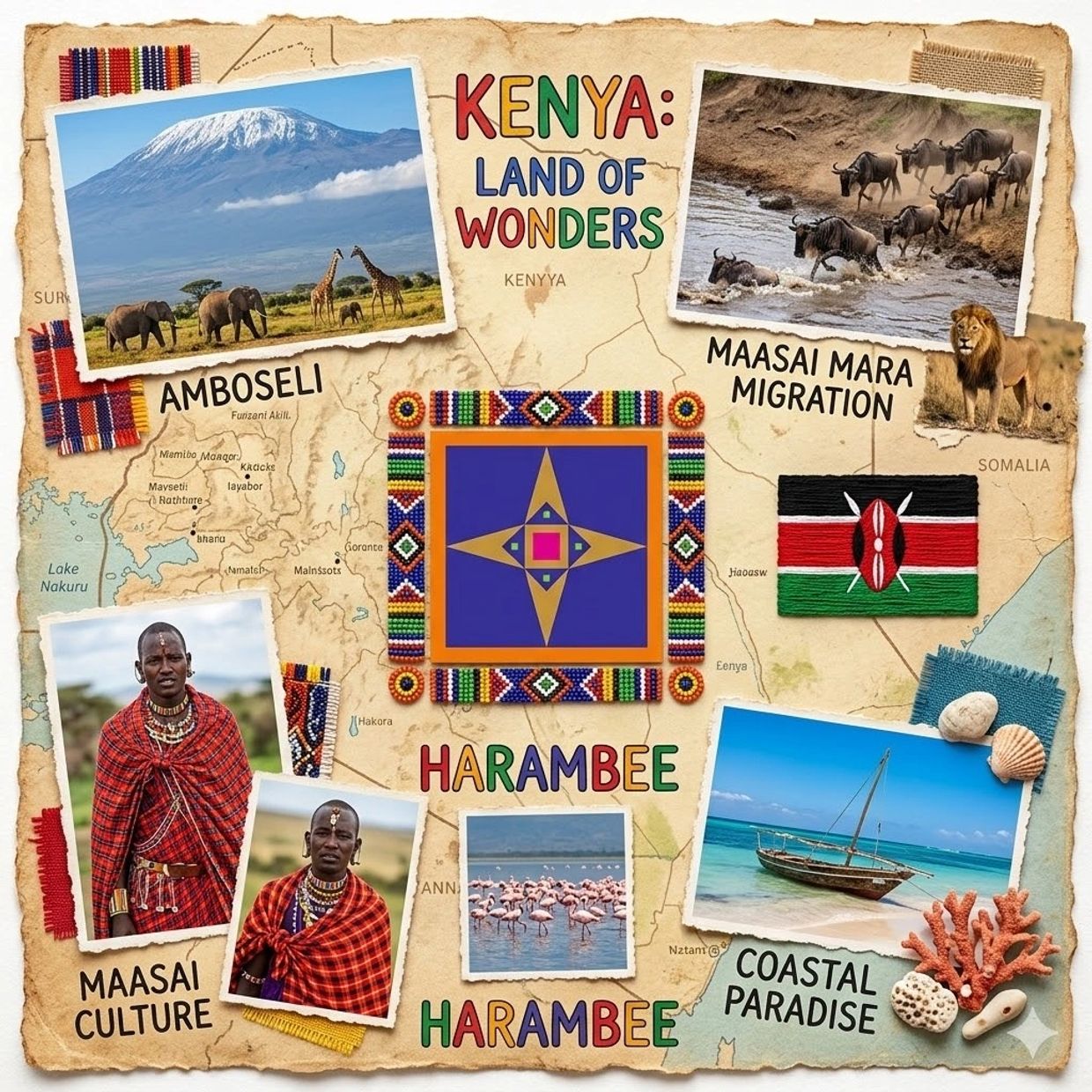
Experience the Best of KENYA with Us
KENYA
TRAVEL TIPS
Best Time to Visit
July to October
Guidelines for Travelers
A Yellow Fever Vaccination Certificate is mandatory if you are traveling from or transiting through a yellow-fever-endemic area.
INSECT REPELLENTS MUST BE CARRIED AT ALL TIMES