
Experience the Best of romania with Us
Romania
Bucharest
Romania's vibrant capital combines grand architecture, rich history, and a lively cultural scene. Known as the "Little Paris of the East," Bucharest features elegant boulevards, beautiful parks, and impressive landmarks such as the Palace of Parliament, one of the largest buildings in the world. Visitors can explore the charming Old Town, discover fascinating museums, and enjoy the city's energetic nightlife.
What to eat: Sarmale (cabbage rolls), mici (grilled sausages), ciorbă (traditional soup), papanasi, and Romanian wines.
Brașov
Nestled in the heart of Transylvania and surrounded by the Carpathian Mountains, Brașov is one of Romania's most picturesque cities. Its colorful Old Town, medieval walls, and Gothic Black Church create a fairytale atmosphere. The city is also the perfect base for exploring two of Romania's most famous landmarks: Bran Castle, often associated with the legend of Dracula, and Peleș Castle, one of Europe's most beautiful royal residences. Both castles can be easily reached on a day trip from Brașov, making the city one of the highlights of any Romanian itinerary.
What to eat: Romanian stews, smoked sausages, Transylvanian pastries, and local cheeses.
Sibiu
Sibiu is one of Romania's most charming and well-preserved medieval cities. Known for its colorful squares, historic buildings, and unique rooftops that seem to "watch" over the city, Sibiu offers a rich cultural atmosphere and a fascinating blend of Romanian, German, and Hungarian influences.
What to eat: Transylvanian soups, roast pork, local cheeses, and traditional pastries.
Sighișoara
A UNESCO World Heritage Site, Sighișoara is one of the best-preserved medieval citadels in Europe. Famous as the birthplace of Vlad the Impaler, the town enchants visitors with its cobblestone streets, colorful houses, historic Clock Tower, and authentic medieval atmosphere.
What to eat: Traditional Romanian cuisine, sausages, local desserts, and regional wines.
Cluj-Napoca
Cluj-Napoca is a dynamic city known for its youthful energy, vibrant arts scene, and impressive architecture. As one of Romania's leading cultural and academic centers, it offers a lively atmosphere, beautiful parks, historic landmarks, and a growing food and nightlife scene.
What to eat: Local pastries and Transylvanian specialties.
Constanța
Located on the Black Sea coast, Constanța is Romania's main seaside destination. Visitors can enjoy beautiful beaches, a historic old town, the iconic Art Nouveau Casino, and a vibrant summer atmosphere. The city is also a gateway to the popular resorts along the Romanian Riviera.
What to eat: Fresh seafood, grilled fish, mussels, traditional Romanian dishes, and local wines.
Timișoara
Known as "Little Vienna," Timișoara is one of Romania's most elegant cities. Famous for its colorful squares, impressive architecture, and vibrant cultural life, it offers visitors a unique blend of Central European charm and Romanian hospitality.
What to eat: Traditional Banat specialties, grilled meats, local pastries, and regional wines.
TRAVEL TIPS
Best Time to Visit
The best time to visit Romania is May to June and September to October, when temperatures are pleasant and ideal for sightseeing. Summer is perfect for exploring castles, medieval towns, and mountain regions, while winter offers festive Christmas markets and excellent skiing opportunities in the Carpathian Mountains.
Guidelines for Travelers
Romania is well connected by trains, buses, and domestic flights. Renting a car is an excellent option for exploring Transylvania, mountain regions, and rural villages.
Weather conditions vary between cities, mountains, and coastal areas. Comfortable walking shoes and layered clothing are recommended throughout the year.
The official currency is the Romanian Leu (RON). Credit and debit cards are widely accepted in major cities, although carrying some cash can be useful in smaller towns and rural areas.
Romania is known for its hospitality, traditions, and folklore. Respect for local customs, churches, and historical sites is appreciated throughout the country.
Romania is generally a safe destination for travelers. Standard precautions are recommended in busy tourist areas and transportation hubs.
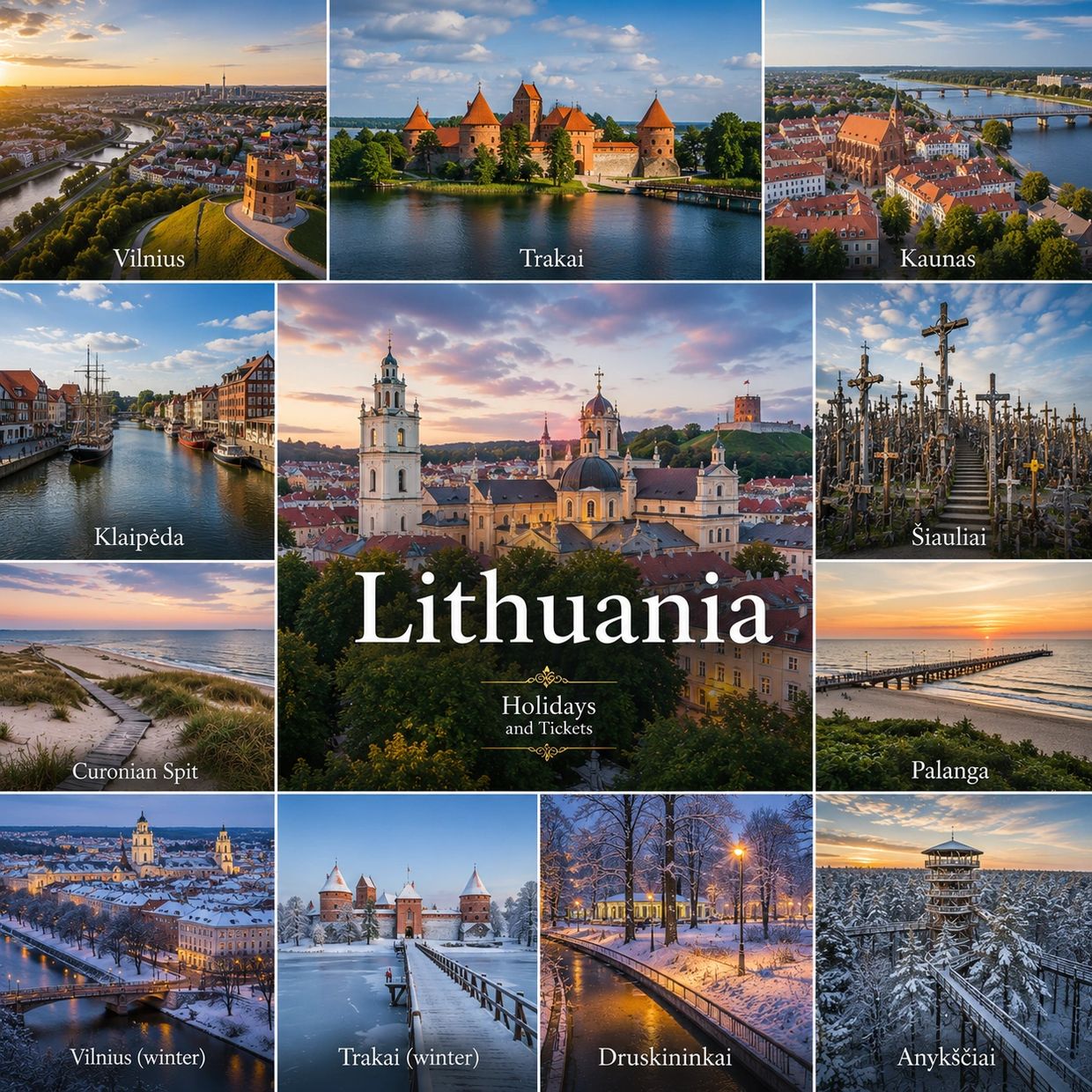
Experience the Best of Lithuania with Us
Lithuania
Vilnius
Vilnius, Lithuania's charming capital, is renowned for its beautifully preserved Baroque architecture, vibrant cultural scene, and UNESCO-listed Old Town. Visitors can wander through picturesque streets, admire historic churches, and enjoy the city's unique blend of history, creativity, and modern energy.
What to eat: Cepelinai (potato dumplings), cold beet soup, rye bread, smoked meats, and traditional Lithuanian pastries.
Trakai Island Castle
Set on a small island in the middle of Lake Galvė, Trakai Island Castle is one of Lithuania's most iconic landmarks. Surrounded by beautiful lakes and forests, this fairytale fortress offers visitors a glimpse into the country's medieval past and provides stunning scenery throughout the year.
What to eat: Kibinai (savory pastries), smoked fish, traditional soups, and local Lithuanian specialties.
Curonian Spit
A UNESCO World Heritage Site, the Curonian Spit is a breathtaking stretch of sand dunes, pine forests, and pristine beaches along the Baltic Sea. This unique natural wonder is perfect for nature lovers, offering spectacular landscapes, charming fishing villages, and peaceful coastal scenery.
What to eat: Fresh seafood, smoked fish, local pastries, and Baltic specialties.
Hill of Crosses
One of Lithuania's most significant spiritual and cultural landmarks, the Hill of Crosses is covered with thousands of crosses left by pilgrims and visitors over the centuries. The site symbolizes faith, resilience, and national identity, making it one of the country's most memorable attractions.
What to eat: Traditional Lithuanian dishes, potato specialties, rye bread, and homemade desserts.
Kaunas
Kaunas is Lithuania's second-largest city and a vibrant cultural center known for its historic architecture, lively atmosphere, and creative spirit. Visitors can explore its charming Old Town, impressive castles, and numerous museums while enjoying a dynamic blend of tradition and innovation.
What to eat: Cepelinai, potato pancakes, smoked meats, local beers, and traditional pastries.
Palanga
Palanga is Lithuania's premier seaside resort, famous for its sandy beaches, pine forests, and lively promenade. Visitors can relax by the Baltic Sea, stroll along the iconic pier, and enjoy the town's vibrant summer atmosphere and beautiful coastal scenery.
What to eat: Fresh seafood, smoked fish, Lithuanian pastries, berry desserts, and local specialties.
TRAVEL TIPS
Best Time to Visit
The best time to visit Lithuania is May to September, when temperatures are pleasant and ideal for exploring cities, beaches, and natural landscapes. Summer offers long daylight hours and vibrant cultural events, while winter brings festive Christmas markets and snowy scenery.
Guidelines for Travelers
Lithuania has a reliable transportation network with buses and trains connecting major cities and tourist destinations. Renting a car is a convenient option for exploring rural areas and coastal regions.
Weather conditions can vary throughout the year. Layered clothing and comfortable walking shoes are recommended, especially when visiting natural attractions.
The official currency is the Euro (€). Credit and debit cards are widely accepted, although carrying some cash can be useful in smaller towns.
Lithuanians value their traditions, history, and natural heritage. Respect for cultural landmarks and local customs is appreciated during your visit.
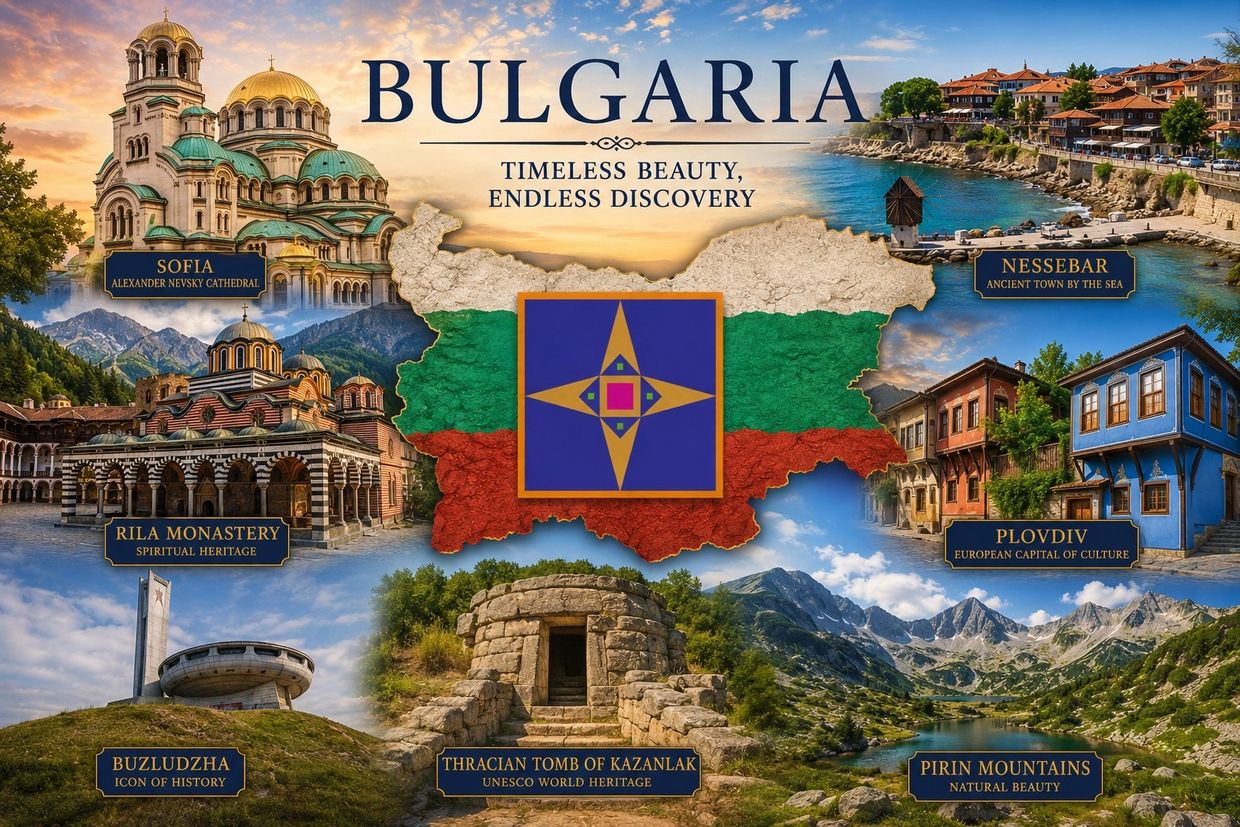
Experience the Best of Bulgaria with Us
Bulgaria
Sofia
Sofia, Bulgaria's capital, is a fascinating city where ancient history meets modern culture. Surrounded by mountains, it offers impressive landmarks such as Alexander Nevsky Cathedral, Roman ruins, vibrant shopping streets, and lively cafés. Visitors can enjoy a unique blend of Eastern European heritage and contemporary urban life.
What to eat: Banitsa (cheese pastry), Shopska salad, grilled meats, kebapche, and traditional Bulgarian yogurt.
Varna
Known as the "Sea Capital of Bulgaria," Varna is a beautiful coastal city on the Black Sea. Visitors can relax on sandy beaches, stroll through the Sea Garden, explore ancient Roman Baths, and enjoy a vibrant summer atmosphere filled with festivals, restaurants, and nightlife.
What to eat: Fresh seafood, mussels, grilled fish, Bulgarian wines, and traditional seaside specialties.
Plovdiv
Plovdiv is one of Europe's oldest continuously inhabited cities and one of Bulgaria's cultural treasures. Its charming Old Town features colorful houses, cobblestone streets, and a remarkably preserved Roman Theatre. The city is known for its artistic atmosphere, history, and thriving creative scene.
What to eat: Kapama, stuffed peppers, grilled meats, Bulgarian cheeses, and local wines.
Bansko
Nestled at the foot of the Pirin Mountains, Bansko is Bulgaria's premier mountain resort. Famous for skiing in winter and hiking in summer, it combines stunning natural scenery with traditional architecture, cozy taverns, and outdoor adventure opportunities throughout the year.
What to eat: Chomlek (slow-cooked meat stew), local sausages, mountain cheeses, and traditional Bulgarian dishes.
Veliko Tarnovo
Often considered Bulgaria's most beautiful historic city, Veliko Tarnovo was once the capital of the Second Bulgarian Empire. Built dramatically across rolling hills, it is famous for the impressive Tsarevets Fortress, picturesque old streets, and breathtaking panoramic views.
What to eat: Traditional stews, grilled meats, Bulgarian pastries, local cheeses, and regional wines.
Melnik & Rhodope Mountains
Melnik is Bulgaria's smallest town and one of its most charming wine destinations. Surrounded by unique sandstone formations, it is famous for its historic houses, vineyards, and traditional atmosphere. Nearby, the Rhodope Mountains offer breathtaking landscapes, scenic villages, ancient monasteries, and excellent opportunities for hiking and nature exploration.
What to eat: Melnik red wine, grilled meats, homemade cheeses, traditional mountain dishes, and local pastries.
TRAVEL TIPS
Best Time to Visit
The best time to visit Bulgaria is May to June and September to October, when temperatures are pleasant for sightseeing and outdoor activities. Summer is ideal for Black Sea beach resorts such as Varna, while winter is perfect for skiing in mountain destinations like Bansko.
Guidelines for Travelers
Bulgaria is well connected by buses, trains, and domestic roads. Renting a car is a convenient option for exploring mountain regions, historic towns, and rural areas.
Weather conditions vary between coastal, urban, and mountain regions. Comfortable walking shoes and layered clothing are recommended throughout the year.
The official currency is the Bulgarian Lev (BGN). Credit and debit cards are widely accepted in cities and tourist areas, although carrying some cash is useful in smaller towns.
Bulgaria has a rich cultural heritage influenced by Thracian, Roman, Byzantine, and Ottoman civilizations. Respect for local traditions, churches, and historic sites is appreciated.

Experience the Best of Georgia with Us
Georgia
Tbilisi
Tbilisi, the capital of Georgia, is a fascinating blend of ancient history and modern culture. Nestled along the Mtkvari River, the city is known for its colorful balconies, charming Old Town, sulfur baths, and vibrant arts scene. Visitors can explore Narikala Fortress, stroll through cobblestone streets, and enjoy spectacular views from the city's hilltops.
What to eat: Khinkali (dumplings), khachapuri (cheese-filled bread), grilled meats, churchkhela, and Georgian wines.
Batumi
Located on the Black Sea coast, Batumi is Georgia's premier seaside destination. The city combines modern architecture, beautiful beaches, palm-lined boulevards, and a lively atmosphere. Visitors can enjoy the waterfront promenade, botanical gardens, and stunning sea views.
What to eat: Adjarian Khachapuri, fresh seafood, local wines, and traditional Georgian desserts.
Kutaisi
One of the oldest continuously inhabited cities in the world, Kutaisi is rich in history and culture. Visitors can explore the UNESCO-listed Gelati Monastery, Bagrati Cathedral, and nearby natural wonders including caves and canyons.
What to eat: Imeretian Khachapuri, bean dishes, local cheeses, and regional wines.
Mtskheta
Mtskheta is Georgia's ancient capital and one of the country's most important religious centers. Home to several UNESCO World Heritage Sites, it offers visitors a glimpse into Georgia's spiritual and historical heritage through its beautiful monasteries and churches.
What to eat: Traditional Georgian bread, local cheeses, grilled meats, and homemade sweets.
Kazbegi
Surrounded by the dramatic peaks of the Caucasus Mountains, Kazbegi is one of Georgia's most breathtaking destinations. Famous for the iconic Gergeti Trinity Church, stunning mountain landscapes, and scenic hiking trails, it is a paradise for nature lovers and adventure seekers.
What to eat: Mountain specialties, khinkali, grilled meats, and homemade dairy products.
Sighnaghi
Known as the "City of Love," Sighnaghi is a charming hilltop town in Georgia's famous wine region of Kakheti. Visitors can enjoy picturesque streets, panoramic views of the Alazani Valley, and wine tastings at some of the country's most renowned vineyards.
What to eat: Georgian wine, khachapuri, traditional stews, and local pastries.
Uplistsikhe
Uplistsikhe is an ancient rock-hewn town carved into cliffs overlooking the Mtkvari River. Dating back thousands of years, it offers a fascinating look into Georgia's ancient civilizations and provides spectacular views of the surrounding landscape.
What to eat: Traditional Georgian cuisine, local cheeses, fresh bread, and regional specialties.
TRAVEL TIPS
Best Time to Visit
The best time to visit Georgia is May to June and September to October, when temperatures are pleasant and ideal for sightseeing, wine tours, and mountain excursions. Summer is perfect for the Black Sea coast, while winter attracts visitors to Georgia's growing ski resorts.
Guidelines for Travelers
Georgia is easy to explore using domestic flights, trains, buses, and private transfers. Renting a car is a popular option for visiting mountain regions and rural areas.
Weather conditions vary significantly between cities, mountains, and coastal regions. Layered clothing and comfortable walking shoes are recommended.
The official currency is the Georgian Lari (GEL). Credit and debit cards are widely accepted in major cities, although carrying cash is useful in smaller towns and villages.