
Experience the Best of PHILIPPINES with Us
PHILIPPINES
The Philippines is an archipelago of more than 7,000 islands known for its pristine beaches, crystal-clear waters, lush mountains, vibrant culture, and warm hospitality. From the bustling capital of Manila to the stunning rice terraces of Banaue and the tropical paradise of Palawan, the country offers diverse experiences for every traveler. Filipino cuisine is a delicious blend of indigenous, Spanish, Chinese, and American influences. Visitors should try adobo, lechon (roast pig), sinigang (sour soup), pancit noodles, and halo-halo, a popular dessert made with shaved ice, fruits, and sweet toppings.
MANILA
Manila, the capital city of the Philippines, is a vibrant metropolis that combines colonial history with modern urban life. Popular attractions include Intramuros, the historic walled city built during Spanish rule, Fort Santiago, Rizal Park, and the National Museum Complex. Visitors can also enjoy shopping, nightlife, and cultural experiences throughout the city. Food lovers should try Manila's famous lechon, crispy pata (deep-fried pork knuckle), kare-kare (oxtail stew with peanut sauce), and traditional Filipino street food such as isaw and kwek-kwek.
BANAUE
Banaue is renowned for its breathtaking Banaue Rice Terraces, often referred to as the "Eighth Wonder of the World." These 2,000-year-old terraces were carved into the mountains by the Ifugao people and remain one of the Philippines' most iconic landmarks. Visitors can explore traditional villages, trek through scenic mountain trails, and learn about indigenous culture and customs. Local delicacies include pinikpikan (traditional chicken dish), native rice varieties, smoked meats, and fresh mountain vegetables prepared using traditional Ifugao methods.
BORACAY
Boracay is one of the world's most famous beach destinations, known for its powdery white sand, turquoise waters, and spectacular sunsets. White Beach is the island's main attraction, while activities such as island hopping, snorkeling, diving, parasailing, and paddleboarding are popular among visitors. The island also boasts a lively nightlife scene. Food enthusiasts should try fresh grilled seafood, garlic butter prawns, oyster dishes, chicken inasal, and tropical fruits such as mangoes and coconuts available throughout the island.
MOALBOAL
Moalboal, located on Cebu Island, is a paradise for divers and marine life enthusiasts. It is famous for the Sardine Run, where millions of sardines move in mesmerizing formations close to shore. Visitors can also enjoy snorkeling with sea turtles, diving at Pescador Island, and exploring nearby waterfalls and beaches. The local cuisine features freshly caught seafood, grilled fish, kinilaw (Filipino-style ceviche), squid dishes, and Cebu's famous roasted pork specialties.
BOHOL
Bohol is celebrated for its unique natural attractions, including the Chocolate Hills, a collection of over 1,200 limestone hills that turn brown during the dry season. Visitors can also see the adorable Philippine tarsier, cruise along the Loboc River, and enjoy beautiful beaches on Panglao Island. Bohol's culinary highlights include calamay (a sweet sticky rice delicacy), peanut kisses, fresh seafood, grilled prawns, and local dishes featuring coconut milk and native spices.
PUERTO PRINCESA
Puerto Princesa, the capital of Palawan, is best known for the Underground River, a UNESCO World Heritage Site and one of the New Seven Wonders of Nature. Visitors can explore limestone caves, mangrove forests, and pristine beaches while enjoying the city's relaxed atmosphere. Food specialties include tamilok (woodworm delicacy), fresh seafood, grilled fish, crocodile sisig, and various Palawan-inspired dishes that showcase the region's abundant marine resources.
EL NIDO
El Nido is a tropical paradise famous for its dramatic limestone cliffs, crystal-clear lagoons, hidden beaches, and rich marine biodiversity. Island-hopping tours take visitors to iconic destinations such as Big Lagoon, Small Lagoon, Secret Beach, and Shimizu Island. The area is ideal for snorkeling, kayaking, diving, and photography. Visitors should savor fresh seafood platters, grilled lobster, tuna dishes, kinilaw, and tropical fruits while enjoying stunning ocean views.
CORON
Coron is renowned for its crystal-clear lakes, spectacular limestone landscapes, and world-class diving sites featuring well-preserved Japanese shipwrecks from World War II. Popular attractions include Kayangan Lake, Barracuda Lake, Twin Lagoon, and various coral reefs teeming with marine life. Local food specialties include fresh seafood, grilled squid, lobster, fish cooked in coconut milk, and traditional Filipino comfort dishes served in local restaurants around the town.
CEBU
Cebu is one of the Philippines' most historically significant and diverse destinations, offering a mix of cultural landmarks, beaches, waterfalls, and adventure activities. Visitors can explore Magellan's Cross, Basilica Minore del Santo Niño, Kawasan Falls, and nearby islands known for diving and snorkeling. Cebu is especially famous for its lechon, widely regarded as the best roast pig in the Philippines. Other must-try foods include puso (hanging rice), grilled seafood, dried mangoes, chicken inasal, and local delicacies such as otap and masareal.
TRAVEL TIPS
Best Time to Visit
The best time to visit the Philippines is during the dry season from November to May,
November to February (Peak Season)
This is considered the most pleasant period, with cooler temperatures ranging from 24°C to 30°C.
March to May (Summer Season)
June to October (Rainy Season)
Guidelines for Travelers
Health & Safety
Travel insurance is highly recommended. Use bottled or filtered water in remote areas and apply sunscreen regularly due to the tropical climate. Mosquito repellent is advisable, especially when visiting rural regions and islands.
Island Hopping Tips
Many destinations such as El Nido, Coron, Boracay, and Cebu involve boat excursions. Pack waterproof bags, reef-safe sunscreen, and quick-dry clothing to enhance your experience.
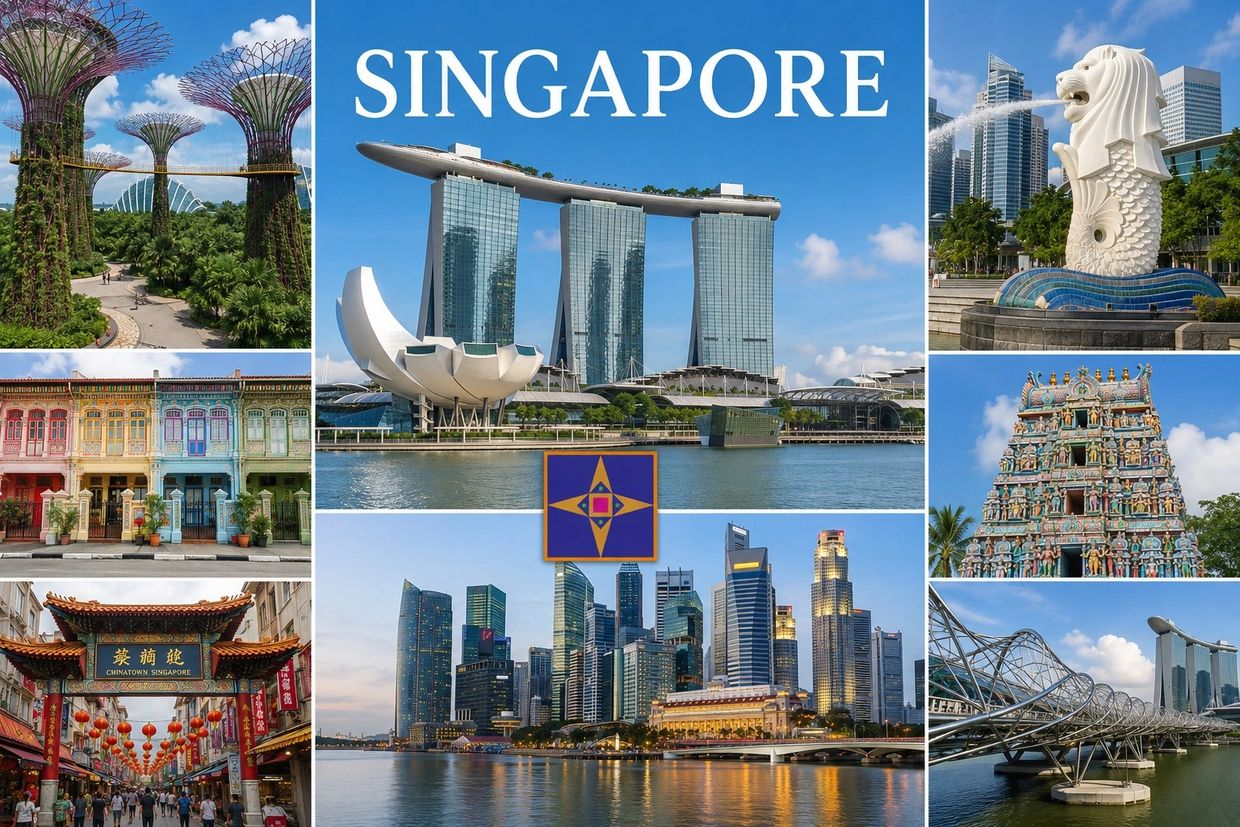
Experience the Best of SINGAPORE with Us
SINGAPORE
Singapore
Singapore is a modern city-state in Southeast Asia known for its futuristic skyline, multicultural heritage, world-class attractions, efficient transportation, and exceptional cleanliness. Despite its compact size, Singapore offers a remarkable blend of urban sophistication, lush green spaces, vibrant neighborhoods, luxury shopping, family-friendly attractions, and diverse culinary experiences. It is often regarded as one of Asia's most convenient and safest travel destinations.
Top Places to Visit in Singapore
Marina Bay Sands
The iconic symbol of modern Singapore, Marina Bay Sands features a luxury hotel, shopping mall, observation deck, casino, and the famous Infinity Pool. Visitors can enjoy panoramic views of the city skyline from the SkyPark Observation Deck.
Gardens by the Bay
One of Singapore's most famous attractions, this futuristic garden features the stunning Supertree Grove, Cloud Forest, and Flower Dome. The evening Garden Rhapsody light show is a must-see.
Merlion Park
Home to Singapore's national icon, the Merlion statue combines the head of a lion and the body of a fish. It offers excellent views of Marina Bay and is a popular photo stop.
Sentosa Island
Singapore's premier resort island offers beaches, attractions, adventure activities, and entertainment. It is perfect for families, couples, and leisure travelers.
Attractions on Sentosa Island:
- Universal Studios Singapore
- S.E.A. Aquarium
- Adventure Cove Waterpark
- SkyHelix Sentosa
- Madame Tussauds Singapore
- Wings of Time Night Show
- Siloso Beach
- Palawan Beach
- Fort Siloso
Universal Studios Singapore
A world-class theme park featuring thrilling rides, movie-themed attractions, live shows, and family entertainment.
S.E.A. Aquarium
One of the world's largest aquariums, showcasing thousands of marine species from around the globe.
Singapore Flyer
One of Asia's largest observation wheels offering spectacular views of Marina Bay, the city skyline, and neighboring countries on clear days.
Clarke Quay
A vibrant riverside entertainment district known for its restaurants, bars, river cruises, and nightlife.
Singapore River Cruise
A relaxing boat ride along the Singapore River, passing historical landmarks and modern skyscrapers.
Orchard Road
Singapore's famous shopping boulevard lined with luxury boutiques, malls, department stores, cafes, and entertainment venues.
Chinatown
A cultural district featuring traditional shophouses, temples, heritage centers, and vibrant street markets.
Key Attractions:
- Buddha Tooth Relic Temple
- Chinatown Heritage Centre
- Maxwell Food Centre
Little India
A colorful neighborhood filled with Indian temples, spice shops, traditional restaurants, and cultural heritage.
Highlights:
- Sri Veeramakaliamman Temple
- Tekka Centre
- Mustafa Centre
Kampong Glam
Singapore's Malay-Arab quarter known for its artistic atmosphere and cultural heritage.
Highlights:
- Sultan Mosque
- Haji Lane
- Arab Street
Jewel Changi Airport
More than an airport attraction, Jewel features the world's tallest indoor waterfall, beautiful gardens, shopping, dining, and entertainment facilities.
Highlights:
- HSBC Rain Vortex
- Canopy Park
- Mirror Maze
- Sky Nets
Singapore Zoo
Consistently ranked among the world's best zoos, featuring open-concept habitats and immersive wildlife experiences.
Night Safari
The world's first nocturnal wildlife park where visitors can observe animals in naturalistic nighttime settings.
River Wonders
Home to giant pandas and river ecosystems from around the world.
Bird Paradise
Singapore's newest bird park featuring large walk-through aviaries and diverse bird species.
Botanic Gardens
A UNESCO World Heritage Site known for its lush landscapes and the spectacular National Orchid Garden.
National Orchid Garden
Features thousands of orchid species and hybrids, making it one of the world's most impressive orchid collections.
ArtScience Museum
Recognizable by its lotus-shaped architecture, the museum combines art, science, technology, and interactive exhibits.
National Gallery Singapore
Houses Southeast Asia's largest public collection of modern art.
Fort Canning Park
A historic hilltop park offering walking trails, gardens, and significant heritage landmarks.
East Coast Park
Popular for cycling, jogging, picnics, beach activities, and local seafood restaurants.
Pulau Ubin
A rustic island that preserves Singapore's traditional village atmosphere, ideal for cycling and nature exploration.
MacRitchie Reservoir
A favorite destination for hiking and nature lovers, featuring the famous TreeTop Walk suspension bridge.
Southern Ridges
A scenic trail connecting parks and nature reserves through elevated walkways and lush greenery.
Must-Try Singapore Foods
Singapore is considered one of Asia's culinary capitals. Visitors should try:
- Hainanese Chicken Rice
- Chilli Crab
- Black Pepper Crab
- Laksa
- Satay
- Char Kway Teow
- Hokkien Mee
- Bak Kut Teh
- Roti Prata
- Kaya Toast
- Nasi Lemak
- Fish Head Curry
- Mee Goreng
- Carrot Cake (Singapore-style)
- Ice Kachang
- Durian (for adventurous food lovers)
Best Hawker Centres
- Maxwell Food Centre
- Lau Pa Sat
- Newton Food Centre
- Chinatown Complex Food Centre
- Old Airport Road Food Centre
- Tekka Centre
TRAVEL TIPS
Best Time to Visit
Singapore can be visited year-round due to its tropical climate. However, February to April is generally considered the best period, with relatively less rainfall and pleasant conditions for sightseeing.
Guidelines for Travelers
Chewing Gum Restrictions
The sale and import of chewing gum are heavily restricted. Medicinal chewing gum is allowed under specific circumstances.
Drug Laws Are Extremely Strict
Singapore has some of the strictest drug laws in the world.
Important Warning:
Possession, trafficking, or consumption of illegal drugs can result in severe penalties, including lengthy imprisonment and, in serious trafficking cases, capital punishment.
Never carry packages for strangers and ensure all medications comply with Singapore regulations
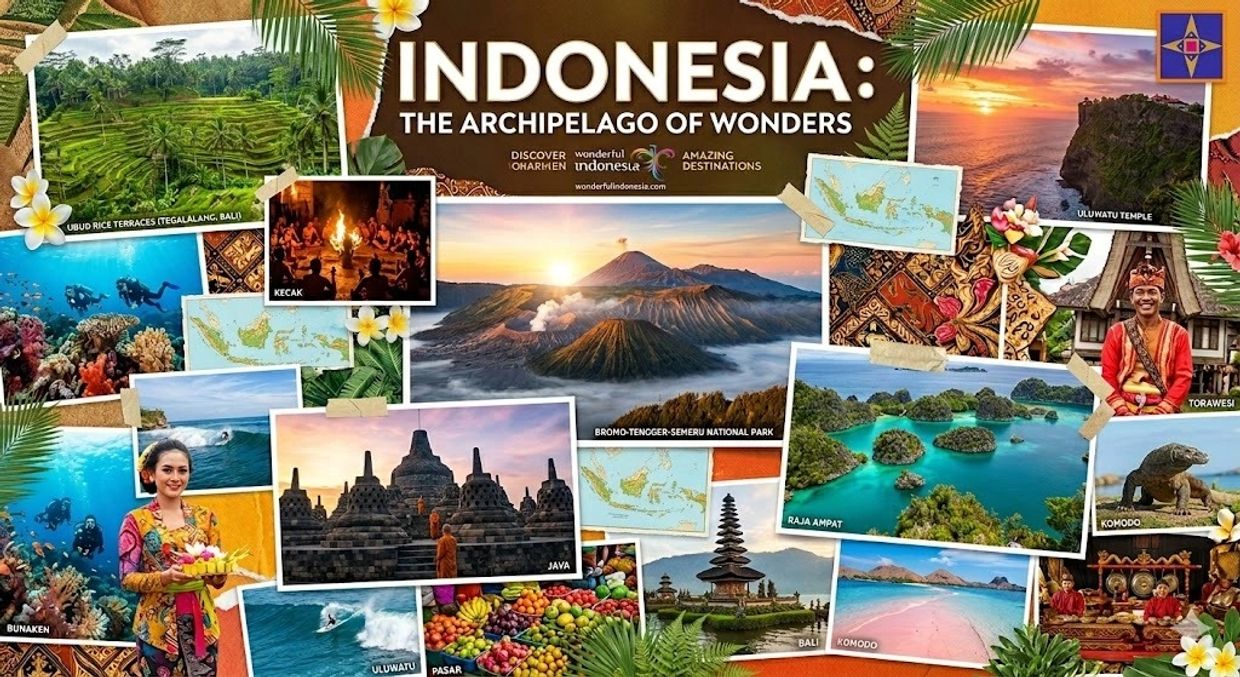
Experience the Best of INDONESIA with Us
INDONESIA
Bali
Bali is Indonesia’s most famous tourist destination, known for its stunning beaches, lush rice terraces, vibrant nightlife, ancient temples, and rich Hindu culture. Visitors can explore iconic attractions such as Uluwatu Temple, Tanah Lot, Ubud’s Monkey Forest, Tegallalang Rice Terraces, and the beautiful beaches of Seminyak, Kuta, and Nusa Dua. Adventure seekers can enjoy surfing, diving, snorkeling, and trekking Mount Batur for a sunrise view. Bali also offers luxurious resorts, wellness retreats, and traditional cultural performances, making it a perfect destination for both relaxation and exploration. Food lovers should try Babi Guling (roast suckling pig), Bebek Betutu (slow-cooked spiced duck), Nasi Campur Bali (mixed rice with various side dishes), Lawar (traditional vegetable and meat salad), and fresh seafood served along Jimbaran Beach.
Jakarta
Jakarta, the capital of Indonesia, is a bustling metropolis that combines modern skyscrapers, colonial history, vibrant shopping districts, and diverse cultural attractions. Visitors can explore the National Monument (Monas), Kota Tua (Old Town), Istiqlal Mosque, Jakarta Cathedral, and world-class shopping malls. The city also offers exciting nightlife, museums, and culinary experiences that reflect Indonesia’s multicultural heritage. Jakarta serves as an important gateway to the rest of Indonesia and provides a fascinating glimpse into the country's urban life. Popular dishes to try include Soto Betawi (beef soup in coconut milk), Nasi Uduk (coconut rice with side dishes), Kerak Telor (traditional spicy omelet), Gado-Gado (vegetable salad with peanut sauce), and Satay served with rich peanut sauce.
Lombok
Lombok is a beautiful island east of Bali, famous for its pristine beaches, crystal-clear waters, scenic waterfalls, and the majestic Mount Rinjani volcano. The island offers a more relaxed and less crowded atmosphere compared to Bali, making it ideal for nature lovers and adventure enthusiasts. Visitors can enjoy snorkeling and diving around the Gili Islands, hiking Mount Rinjani, exploring traditional Sasak villages, and relaxing on the white sands of Kuta Lombok and Tanjung Aan Beach. Lombok's cuisine is known for its bold flavors and spices. Travelers should try Ayam Taliwang (grilled spicy chicken), Plecing Kangkung (water spinach salad with chili sauce), Sate Rembiga (spicy beef satay), Beberuk Terong (eggplant salad), and fresh grilled seafood.
Komodo National Park
Komodo National Park is a UNESCO World Heritage Site renowned for being the natural habitat of the legendary Komodo dragon, the world's largest lizard. Located between the islands of Sumbawa and Flores, the park consists of rugged islands, pink-sand beaches, turquoise waters, and some of the world's finest diving spots. Visitors can trek with experienced guides to observe Komodo dragons, hike to panoramic viewpoints on Padar Island, snorkel with manta rays, and explore vibrant coral reefs rich in marine biodiversity. Seafood dominates the local cuisine around the park and nearby Labuan Bajo. Travelers should sample freshly grilled fish, squid, prawns, ikan bakar (grilled fish with Indonesian spices), seafood curries, and Flores-style fish soups prepared with local herbs and spices.
Yogyakarta
Yogyakarta is considered the cultural heart of Java and is famous for its traditional arts, royal heritage, and proximity to two of Indonesia’s most significant temples—Borobudur and Prambanan. Visitors can explore the Sultan’s Palace (Kraton), Malioboro Street, traditional batik workshops, and ancient temples that showcase Indonesia’s rich history. The city is also a hub for Javanese dance, music, and handicrafts. Yogyakarta offers a unique blend of culture, history, and local charm. Food enthusiasts should not miss Gudeg (young jackfruit stew), Bakpia (sweet pastry filled with mung bean paste), Sate Klathak (grilled mutton skewers), Nasi Kucing (small rice portions with side dishes), and traditional Javanese sweet treats.
Surabaya
Surabaya, Indonesia’s second-largest city, is an important commercial and historical center located in East Java. Known as the “City of Heroes,” it played a significant role in Indonesia’s struggle for independence. Visitors can explore the Heroes Monument, House of Sampoerna Museum, Surabaya Zoo, and the vibrant Arab and Chinatown districts. Surabaya also serves as a gateway to natural attractions such as Mount Bromo and Ijen Crater. The city’s culinary scene is rich and flavorful. Signature dishes include Rawon (black beef soup), Rujak Cingur (traditional salad with beef snout and shrimp paste sauce), Lontong Balap (rice cakes with bean sprouts and tofu), Sate Klopo (coconut-coated satay), and Semanggi Surabaya (clover leaf salad).
Batam
Batam is a rapidly developing island city located close to Singapore and Malaysia, making it a popular destination for short getaways, shopping, and leisure travel. The island offers beautiful beaches, waterfront resorts, golf courses, seafood restaurants, and family-friendly attractions. Visitors can enjoy activities such as island hopping, water sports, spa treatments, and exploring local markets. Batam is particularly famous for its fresh seafood and multicultural culinary influences. Travelers should try Gong Gong (sea snails), Otak-Otak (grilled fish cake wrapped in banana leaves), Mie Tarempa (spicy seafood noodles), Kepiting Saus Padang (crab in spicy Padang sauce), and a variety of freshly caught seafood dishes served at waterfront restaurants.
TRAVEL TIPS
Best Time to Visit
Indonesia can be visited all year round.
Guidelines for Travelers
The "Bali blackout day" refers to Nyepi, the Balinese Hindu New Year and official Day of Silence. On this day, the entire island effectively goes into a voluntary 24-hour blackout and shutdown
For 24 hours (from 6:00 AM to 6:00 AM the following day), the island comes to a complete halt.
No Travel: The airport, seaports, and roads are completely closed to vehicles. No one is allowed to leave their accommodation.
Strict Drug Laws: Indonesia enforces severe penalties for drug possession and trafficking, including life imprisonment or the death penalty
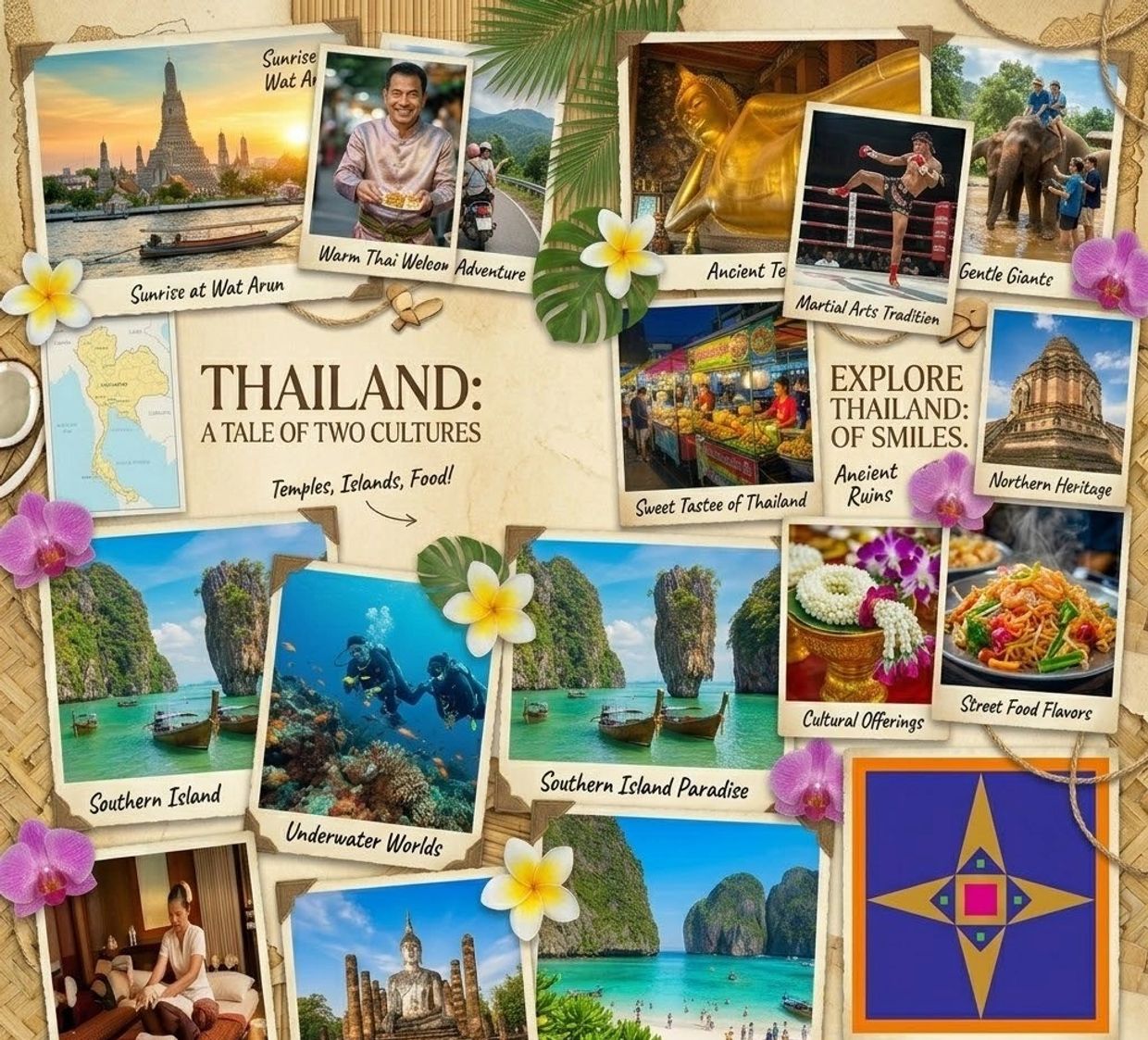
Experience the Best of THAILAND with Us
THAILAND
Bangkok
Bangkok, Thailand’s vibrant capital, is a fascinating blend of ancient traditions and modern city life. Visitors can explore magnificent temples such as the Grand Palace, Wat Phra Kaew, and Wat Arun, cruise along the Chao Phraya River, shop in bustling markets like Chatuchak Weekend Market, and experience the city's famous nightlife and luxury malls. The city is also known for its colorful street life, rooftop bars, and cultural attractions that offer a glimpse into Thailand’s rich heritage. Food lovers should not miss Pad Thai, Tom Yum Goong (spicy shrimp soup), Som Tam (papaya salad), Mango Sticky Rice, and Bangkok’s famous street-food delicacies available throughout the city.
Chiang Mai
Located in northern Thailand, Chiang Mai is renowned for its rich culture, historic temples, and beautiful mountain scenery. The city is home to over 300 temples, including the iconic Wat Phra That Doi Suthep, which offers panoramic views of the city. Visitors can enjoy traditional Thai cooking classes, explore vibrant night markets, visit ethical elephant sanctuaries, and experience local festivals such as Yi Peng and Songkran. Chiang Mai’s culinary scene reflects northern Thai traditions, with must-try dishes including Khao Soi (curried noodle soup), Sai Oua (northern Thai sausage), Nam Prik Ong (tomato chili dip), sticky rice, and Khan Toke-style meals.
Chiang Rai
Chiang Rai is a peaceful northern province famous for its unique architecture, scenic landscapes, and cultural attractions. The city is best known for the stunning White Temple (Wat Rong Khun), the Blue Temple, and the Black House Museum. Visitors can also explore the Golden Triangle region where Thailand, Laos, and Myanmar meet, as well as tea plantations and hill tribe villages. The local cuisine features flavorful northern Thai specialties such as Khao Soi, grilled river fish, Sai Oua sausage, herbal soups, and traditional sticky rice dishes that showcase the region's culinary heritage.
Phuket
Phuket is Thailand’s largest island and one of Southeast Asia’s most popular beach destinations. Known for its crystal-clear waters, lively nightlife, luxury resorts, and beautiful beaches such as Patong, Kata, and Karon, Phuket offers something for every traveler. Visitors can enjoy island-hopping tours to nearby Phi Phi Islands, explore Old Phuket Town’s colorful Sino-Portuguese architecture, and visit the iconic Big Buddha. Seafood lovers will be delighted by Phuket’s fresh seafood, including grilled prawns, crab curry, lobster, and local specialties such as Mee Hokkien noodles, Moo Hong (braised pork belly), and refreshing tropical fruits.
Krabi
Krabi is famous for its dramatic limestone cliffs, turquoise waters, and idyllic islands. Popular attractions include Railay Beach, Ao Nang, the Four Islands Tour, Emerald Pool, and the stunning Phi Phi Islands. Adventure enthusiasts can enjoy rock climbing, kayaking, snorkeling, and island-hopping excursions. Krabi’s relaxed atmosphere makes it an excellent destination for nature lovers. Food highlights include fresh seafood, spicy southern Thai curries, Massaman curry, grilled squid, coconut-based dishes, and local desserts made with tropical fruits and coconut milk.
Koh Samui
Koh Samui is a tropical paradise in the Gulf of Thailand, known for its palm-fringed beaches, luxury resorts, waterfalls, and vibrant nightlife. Visitors can relax on Chaweng and Lamai beaches, explore Ang Thong National Marine Park, visit the Big Buddha Temple, and enjoy water sports such as snorkeling and diving. The island combines natural beauty with modern amenities, making it ideal for both families and honeymooners. Local food specialties include fresh seafood, Thai green curry, coconut-based dishes, Tom Kha Gai (coconut chicken soup), grilled fish, and sweet coconut desserts made from the island’s abundant coconuts.
Kanchanaburi
Kanchanaburi is a historically significant destination located west of Bangkok, famous for the Bridge over the River Kwai and its connection to the Death Railway during World War II. The province also offers stunning natural attractions such as Erawan National Park, Erawan Waterfalls, Sai Yok National Park, and scenic river landscapes. Visitors can learn about Thailand’s wartime history while enjoying outdoor adventures and tranquil countryside settings. The local cuisine features river fish dishes, spicy Thai curries, grilled meats, bamboo-cooked rice, traditional noodle soups, and fresh tropical fruits sourced from the surrounding region.
TRAVEL TIPS
Best Time to Visit
THAILAND can be visited all year round.
Guidelines for Travelers
To ensure a smooth trip to Thailand, you must carry a passport valid for at least 6 months, a confirmed return flight ticket, proof of accommodation, and the equivalent of $20,000 Thai Baht (~₹46,000 INR) in proof of funds. Most tourists also require pre-arrival online registration
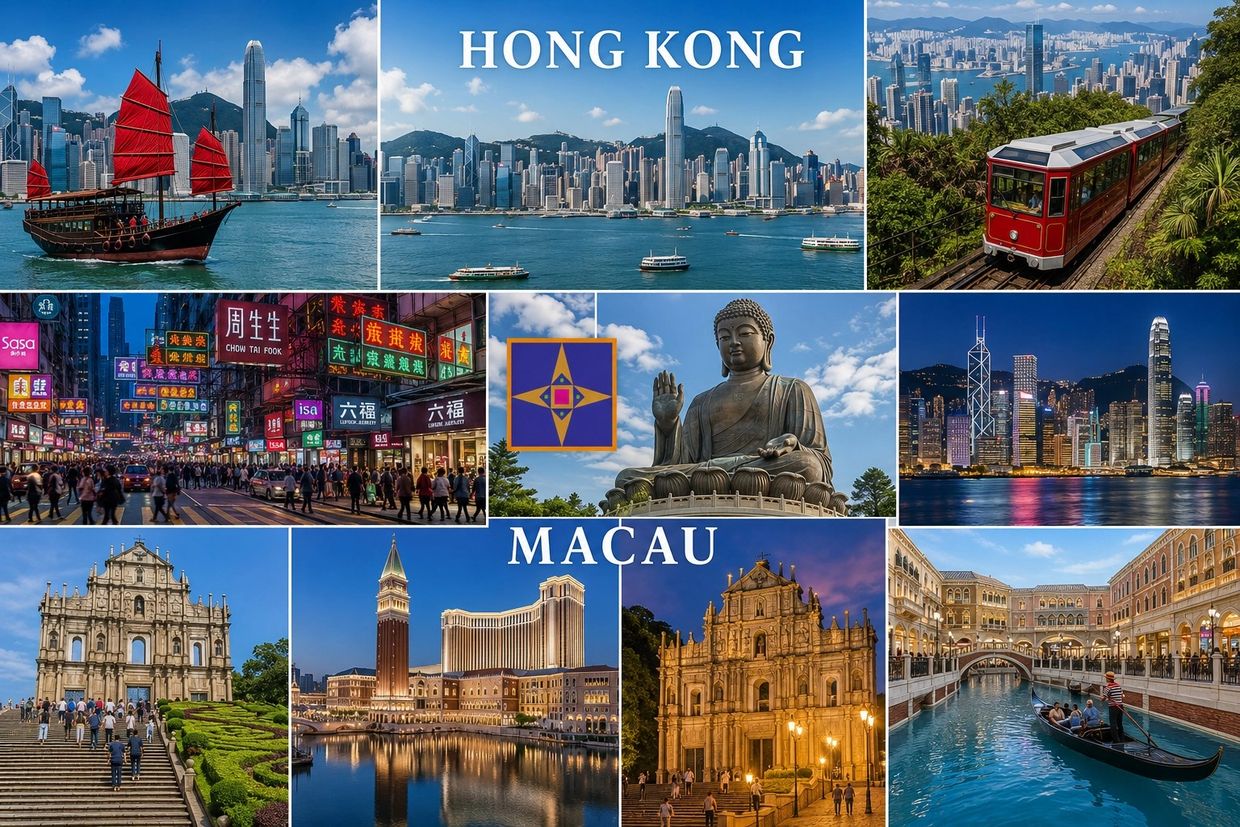
Experience the Best of HONG KONG AND MACAU with Us
HONG KONG AND MACAU
Hong Kong
Hong Kong is a vibrant destination where modern skyscrapers, traditional temples, bustling street markets, and scenic natural landscapes coexist in perfect harmony. Visitors can enjoy panoramic views from Victoria Peak, take a ride on the historic Star Ferry across Victoria Harbour, explore the lively shopping districts of Tsim Sha Tsui and Causeway Bay, or visit cultural attractions such as Wong Tai Sin Temple and Tian Tan Buddha on Lantau Island. The city is also famous for its exciting nightlife, theme parks like Hong Kong Disneyland and Ocean Park, and picturesque hiking trails that offer stunning views of the skyline and surrounding islands. Food lovers should not miss Hong Kong’s world-renowned culinary scene. Popular local dishes include Dim Sum, a variety of bite-sized steamed and fried delicacies served with tea; Roast Goose, known for its crispy skin and succulent meat; Wonton Noodle Soup, featuring delicate shrimp dumplings and springy noodles; Char Siu (barbecued pork); and the iconic Egg Tart, a sweet pastry with a creamy custard filling. For a true local experience, visitors should also try Hong Kong-style Milk Tea and Pineapple Bun.
Macau
Macau is often referred to as the "Las Vegas of Asia," but beyond its glamorous casinos lies a fascinating blend of Portuguese and Chinese heritage. The city's historic center, a UNESCO World Heritage Site, features charming colonial architecture, cobblestone streets, centuries-old churches, and traditional Chinese temples. Visitors can explore iconic landmarks such as the Ruins of St. Paul’s, Senado Square, A-Ma Temple, and Macau Tower, which offers breathtaking views and adventure activities. Macau is also known for its luxury resorts, vibrant entertainment scene, and cultural festivals that reflect its unique East-meets-West identity. The city's cuisine is equally distinctive, combining Portuguese, Chinese, and Southeast Asian influences. Travelers should try the famous Portuguese Egg Tart, renowned for its flaky crust and caramelized custard filling; African Chicken, a flavorful dish seasoned with spices and coconut; Minchi, a traditional Macanese comfort food made with minced meat, potatoes, and soy sauce; Pork Chop Bun, often called Macau’s signature sandwich; and Bacalhau, a Portuguese-style salted cod dish. Seafood lovers will also enjoy fresh prawns, crab dishes, and various Cantonese specialties available throughout the city.
TRAVEL TIPS
Best Time to Visit
HONG KONG AND MACAU can be visited all year round.
Guidelines for Travelers
HONG KONG
- Tobacco Restrictions: The import, promotion, manufacturing, sale, and possession of alternative smoking products—including e-cigarettes, heated tobacco devices, and herbal cigarettes—is strictly prohibited and carries severe penalties.
- Public Hygiene: Spitting, littering, or smoking in non-designated zones incurs a fixed penalty fine of HK$3,000
MACAU
While the Macanese Pataca (MOP) is the official currency, Hong Kong Dollars (HKD) are accepted at a near 1:1 ratio everywhere, including casinos and taxis.
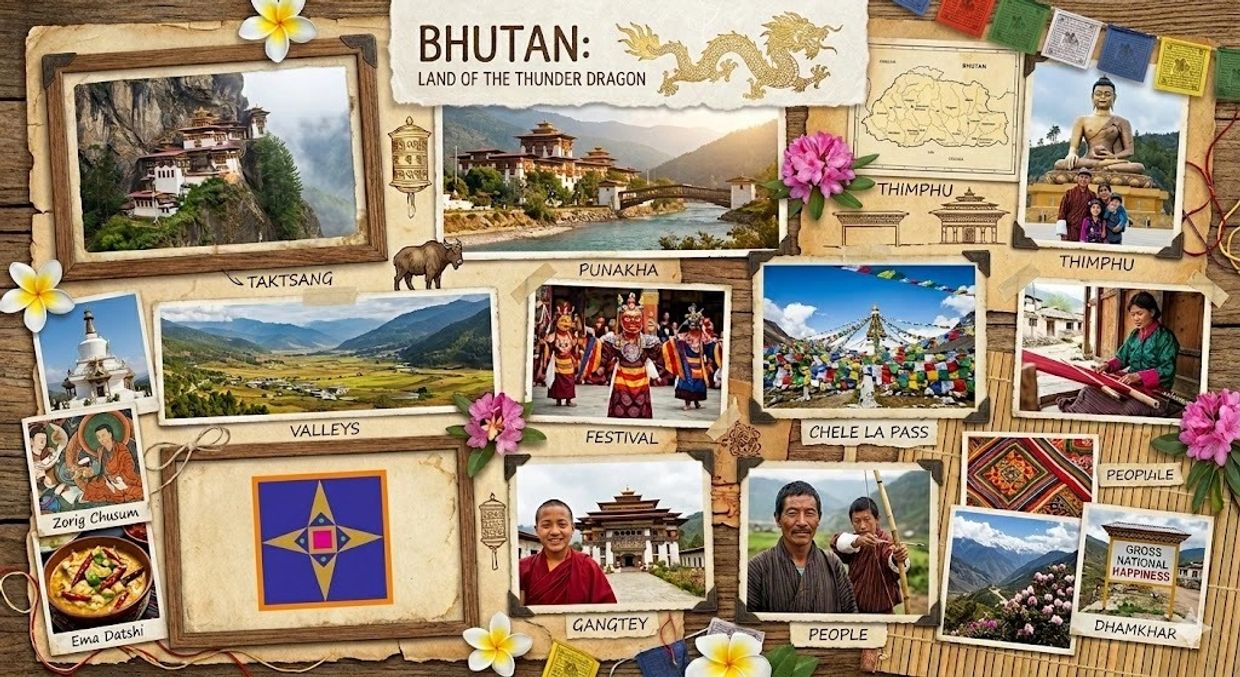
Experience the Best of BHUTAN with Us
BHUTAN
Paro
Paro is one of Bhutan’s most picturesque valleys and is often the first destination visitors experience, as it is home to the country’s only international airport. Surrounded by forested mountains, traditional Bhutanese farmhouses, and crystal-clear rivers, Paro offers a perfect blend of culture, history, and natural beauty. The valley is best known for the iconic Tiger's Nest Monastery (Taktsang Monastery), dramatically perched on a cliffside at over 3,000 meters above sea level. Other attractions include the historic Rinpung Dzong, the National Museum, and scenic walks through charming villages and apple orchards. Visitors should try traditional Bhutanese dishes such as Ema Datshi (chili and cheese stew), Kewa Datshi (potatoes with cheese), red rice, and locally grown apples. Paro is also known for its fresh trout dishes and homemade butter tea, offering an authentic taste of Bhutanese cuisine.
Thimphu
Thimphu, the capital city of Bhutan, uniquely combines modern development with deeply rooted traditions. Unlike most capitals, Thimphu has no traffic lights and maintains a peaceful atmosphere while serving as the country's political, cultural, and economic center. Visitors can explore attractions such as the magnificent Buddha Dordenma, one of the largest Buddha statues in the world, the impressive Tashichho Dzong, and the bustling weekend market where locals gather to sell fresh produce and handicrafts. Thimphu also offers museums, monasteries, and opportunities to learn about Bhutanese arts and crafts. Food lovers should sample Shakam Paa (dried beef with chilies), Phaksha Paa (pork with red chilies), Momos (dumplings), and the famous Ema Datshi. The city also has excellent cafés where visitors can enjoy Bhutanese coffee and locally produced cheese and honey.
Punakha
Punakha served as Bhutan’s capital until 1955 and remains one of the country’s most historically significant and scenic regions. Located at a lower altitude than Thimphu and Paro, Punakha enjoys a warmer climate and is known for its fertile valleys, rice terraces, and jacaranda trees that bloom beautifully in spring. The highlight of the region is the breathtaking Punakha Dzong, often regarded as Bhutan’s most beautiful fortress-monastery, situated at the confluence of the Pho Chhu and Mo Chhu rivers. Visitors can also enjoy river rafting, village walks, and crossing the famous Punakha Suspension Bridge. Culinary specialties include river fish curries, red rice, Hoentay (buckwheat dumplings), and fresh seasonal vegetables grown in the valley. The region’s warm climate also supports the cultivation of citrus fruits, making fresh oranges and juices particularly popular.
Phobjikha & Gangtey
Phobjikha Valley and Gangtey are among Bhutan’s most stunning natural destinations, offering vast glacial valleys, rolling meadows, and tranquil landscapes. This region is particularly famous as the winter home of the endangered Black-necked Crane, which migrates from Tibet each year. Nature enthusiasts can enjoy scenic hiking trails, birdwatching, and breathtaking views of untouched Himalayan landscapes. The spiritual center of the area is the beautiful Gangtey Monastery, an important Nyingma Buddhist monastery overlooking the valley. Visitors should try local specialties made from buckwheat, including buckwheat pancakes, buckwheat noodles, and Hoentay. Warm soups, farm-fresh vegetables, mushrooms, and locally produced dairy products are also popular, providing comforting meals in the valley’s cool climate.
Bumthang
Often referred to as the spiritual heartland of Bhutan, Bumthang is a region of broad valleys, ancient temples, sacred sites, and traditional villages. It consists of four beautiful valleys and is home to some of Bhutan’s oldest and most revered monasteries. Key attractions include Jambay Lhakhang, one of Bhutan’s oldest temples, and Kurjey Lhakhang, an important pilgrimage site associated with Guru Rinpoche. The region is renowned for its spiritual atmosphere, scenic hiking opportunities, and traditional Bhutanese lifestyle. Bumthang is also famous for its agricultural products, particularly apples, honey, and dairy. Visitors should taste Bumthang cheese, buckwheat dishes, yak meat preparations, Swiss-style cheeses produced locally, and the region’s well-known apple cider and fruit products. The hearty cuisine reflects the cooler mountain climate and offers some of the most distinctive flavors in Bhutan.
TRAVEL TIPS
Best Time to Visit
March to May (Spring) and September to November (Autumn). .
Guidelines for Travelers
Health & Safety Altitude Sickness: Since the country has a lot of mountains, you should go up slowly to avoid getting Acute Mountain Sickness (AMS).
Insurance: It's really important to have travel insurance that covers medical emergencies and trip cancellations.
Water & Medications: Never drink tap water. Make sure to bring all your prescription medicines in their original containers and have your doctor's prescription with you.
Dress Code: When you visit temples or dzongs (fortresses), dress modestly. Make sure your shoulders and knees are covered, and take off your hat.
Tobacco Ban: In Bhutan, making and selling tobacco is against the law. Tourists can bring a small amount for personal use (but you have to pay a lot of tax), and you can't smoke it in public.

Experience the Best of TAIWAN with Us
TAIWAN
Taipei
Taipei, the vibrant capital of Taiwan, is a fascinating blend of modern innovation and traditional culture. Visitors can admire the iconic Taipei 101, once the world's tallest building, explore the historic streets of Ximending, and visit ancient temples such as Longshan Temple. The city is also famous for its bustling night markets, including Shilin Night Market and Raohe Night Market, where travelers can experience Taiwan's lively street-food culture. Nature lovers can enjoy scenic hikes in Yangmingshan National Park or relax in nearby hot springs at Beitou. While in Taipei, be sure to try beef noodle soup, xiaolongbao (soup dumplings), oyster omelet, scallion pancakes, bubble tea, and stinky tofu for an authentic taste of local cuisine.
Tainan
Known as Taiwan's oldest city and cultural capital, Tainan offers a rich historical experience with centuries-old temples, colonial architecture, and traditional markets. Popular attractions include Anping Fort, Chihkan Tower, and the charming streets of Anping District, where visitors can learn about Taiwan's early history. Tainan is widely regarded as the food capital of Taiwan, attracting food lovers from across the country. Signature dishes include Danzai noodles, milkfish soup, shrimp rolls, coffin bread, oyster vermicelli, and sweet mango shaved ice. The city's culinary traditions reflect its long history and multicultural influences.
Kaohsiung
Kaohsiung is Taiwan's largest port city and a dynamic destination known for its waterfront attractions, modern art, and pleasant tropical climate. Visitors can explore the colorful Dragon and Tiger Pagodas at Lotus Pond, stroll along the lively Love River, and enjoy panoramic city views from Monkey Mountain. Art enthusiasts will appreciate the Pier-2 Art Center, a creative district filled with galleries and installations. Kaohsiung's seafood is among the best in Taiwan, thanks to its coastal location. Must-try dishes include fresh seafood platters, squid snacks, seafood porridge, papaya milk, braised pork rice, and Taiwanese fried chicken, all readily available in the city's popular night markets.
Taichung
Located in central Taiwan, Taichung is known for its pleasant weather, creative culture, and relaxed atmosphere. The city is home to attractions such as the National Taichung Theater, Rainbow Village, and the picturesque Gaomei Wetlands, famous for stunning sunsets. Visitors can also enjoy shopping and street food at Fengjia Night Market, one of Taiwan's largest night markets. Taichung is considered the birthplace of bubble tea, making it a must-try here. Other local specialties include sun cakes, braised pork rice, Taiwanese sausages, fried chicken cutlets, taro desserts, and pearl milk tea served in countless innovative variations.
Hualien
Hualien is the gateway to some of Taiwan's most spectacular natural scenery. The city's main attraction is Taroko National Park, renowned for its dramatic marble gorges, hiking trails, waterfalls, and breathtaking mountain landscapes. Visitors can also enjoy whale-watching excursions, cycling routes along the Pacific coast, and indigenous cultural experiences. Hualien's cuisine reflects both indigenous traditions and fresh local ingredients. Travelers should sample bamboo tube rice, wild boar dishes, mochi, fresh seafood, mountain vegetables, and indigenous-style grilled meats for a unique culinary experience rooted in the region's natural environment.
Keelung
Situated on Taiwan's northern coast, Keelung is a bustling port city famous for its maritime heritage, dramatic coastline, and vibrant night market culture. Visitors can explore the scenic harbor, visit Zhongzheng Park for panoramic views, and take excursions to nearby coastal wonders such as Yehliu Geopark. Keelung is especially renowned for its seafood, making it a paradise for food enthusiasts. The city's famous Miaokou Night Market offers specialties such as crab soup, seafood noodles, tempura, oyster omelets, grilled squid, and braised pork rice. Fresh catches from the harbor ensure that seafood dishes remain a highlight of any visit to Keelung.
These six destinations collectively showcase Taiwan's unique combination of modern cities, rich history, stunning natural landscapes, and world-famous culinary traditions, making them ideal additions to any Taiwan itinerary.
TRAVEL TIPS
Best Time to Visit
March to May (Spring) and September to November (Autumn).
Can be visited all year round
Guidelines for Travelers
Bring an Umbrella: Since Taiwan has a subtropical climate, unexpected rain can occur anytime throughout the year. Always have a small umbrella or a rain poncho handy.
Stay Hydrated and Safe: The summers can be really hot and sticky. Make sure to bring a refillable water bottle, and don’t forget to put on sunscreen and wear a hat.
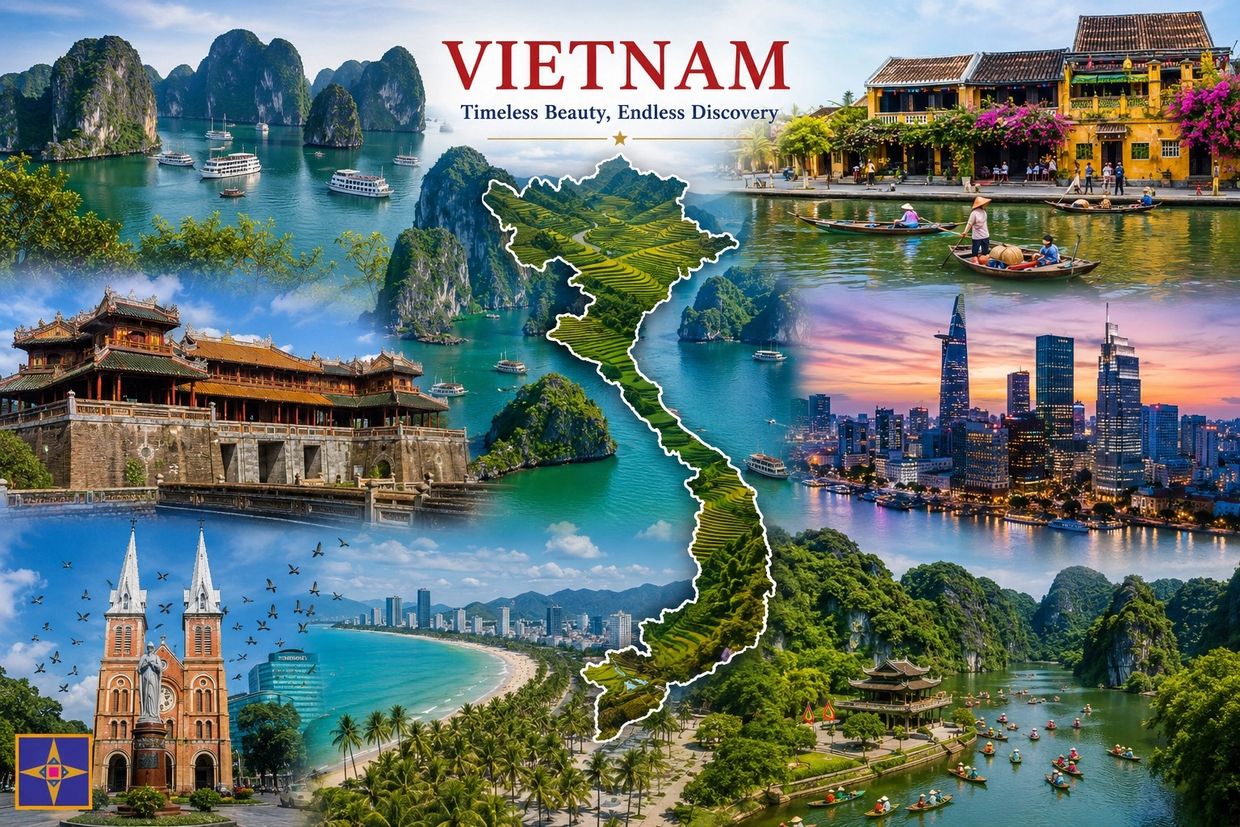
Experience the Best of VIETNAM with Us
VIETNAM
Hanoi
Hanoi, the capital of Vietnam, is a fascinating blend of ancient traditions and modern development. Known for its centuries-old architecture, bustling Old Quarter, serene lakes, and rich cultural heritage, the city offers visitors a glimpse into Vietnam’s history and daily life. Popular attractions include Hoan Kiem Lake, the Temple of Literature, the Ho Chi Minh Mausoleum, and the vibrant night markets. Food lovers should not miss Pho, Vietnam’s iconic noodle soup, which originated in northern Vietnam. Other must-try dishes include Bun Cha (grilled pork with rice noodles), Cha Ca La Vong (turmeric-marinated fish), and the famous Egg Coffee, a unique Hanoi specialty.
Ha Long Bay
Ha Long Bay is one of Vietnam’s most spectacular natural wonders and a UNESCO World Heritage Site. Famous for its emerald-green waters and thousands of limestone karsts rising dramatically from the sea, the bay offers unforgettable cruising, kayaking, cave exploration, and island-hopping experiences. Visitors can explore Sung Sot Cave, Ti Top Island, and floating fishing villages. Seafood is the highlight of Ha Long Bay’s cuisine. Be sure to try fresh grilled squid, steamed prawns, oysters, and Cha Muc (Ha Long squid cakes), a local delicacy known for its rich flavor and chewy texture.
Ninh Binh
Often referred to as “Ha Long Bay on land,” Ninh Binh is renowned for its stunning limestone mountains, tranquil rivers, rice paddies, and ancient temples. Visitors can enjoy boat rides through Tam Coc and Trang An, visit Bai Dinh Pagoda, and explore Vietnam’s ancient capital at Hoa Lu. The region is also famous for its rural charm and breathtaking landscapes. Food specialties include Com Chay (crispy burnt rice served with savory toppings) and Goat Meat Dishes, prepared in various ways such as grilling, steaming, or stir-frying, reflecting the area's agricultural traditions.
Hoi An
Hoi An is a beautifully preserved ancient trading port and a UNESCO World Heritage Site. Its lantern-lit streets, historic merchant houses, riverside cafés, and tailor shops create a magical atmosphere, especially in the evening. Visitors can explore the Japanese Covered Bridge, take lantern-making workshops, and enjoy boat rides on the Thu Bon River. Hoi An’s cuisine is distinctive and flavorful. Signature dishes include Cao Lau (thick noodles with pork and herbs), White Rose Dumplings, and Banh Mi Hoi An, widely regarded as one of the best sandwiches in the world.
Da Nang
Da Nang is a vibrant coastal city known for its beautiful beaches, modern skyline, and proximity to major attractions such as the Marble Mountains and Ba Na Hills. The city combines urban sophistication with natural beauty, making it a popular destination for relaxation and adventure. My Khe Beach is among Vietnam’s finest stretches of sand. Food enthusiasts should try Mi Quang, a turmeric-flavored noodle dish topped with shrimp, pork, and herbs. Other local favorites include Banh Xeo (crispy Vietnamese pancakes) and fresh seafood sourced daily from the nearby coast.
Ho Chi Minh City
Ho Chi Minh City, formerly known as Saigon, is Vietnam’s largest and most dynamic metropolis. The city is famous for its French colonial architecture, bustling markets, modern skyscrapers, and vibrant nightlife. Key attractions include Ben Thanh Market, Notre-Dame Cathedral, the War Remnants Museum, and the Cu Chi Tunnels. The city’s food scene is diverse and energetic. Visitors should sample Banh Mi, Com Tam (broken rice with grilled pork), and Hu Tieu, a flavorful noodle soup popular in southern Vietnam.
Mekong Delta
The Mekong Delta is known as Vietnam’s “Rice Bowl,” a vast network of rivers, canals, floating markets, and fertile farmland. Visitors can experience local life by exploring floating markets, taking boat rides through coconut groves, and visiting traditional villages. The region offers a peaceful contrast to Vietnam’s bustling cities. Culinary highlights include Elephant Ear Fish, often served wrapped in rice paper with herbs, Coconut Candy, and tropical fruits such as dragon fruit, rambutan, and mangosteen grown throughout the delta.
Phu Quoc
Phu Quoc is Vietnam’s largest island and a tropical paradise famous for its white-sand beaches, crystal-clear waters, luxury resorts, and marine activities. Visitors can enjoy snorkeling, diving, island-hopping, and sunset views over the Gulf of Thailand. The island is also known for its fish sauce production and pepper farms. Food lovers should try Grilled Sea Urchin, Ham Ninh Crab, fresh seafood platters, and dishes flavored with the island’s renowned fish sauce.
Da Lat
Nestled in Vietnam’s Central Highlands, Da Lat is known as the “City of Eternal Spring” due to its cool climate and picturesque landscapes. Surrounded by pine forests, waterfalls, flower gardens, and lakes, Da Lat offers a refreshing escape from Vietnam’s tropical heat. Popular attractions include Xuan Huong Lake, Crazy House, and the Valley of Love. Local specialties include Banh Trang Nuong (Vietnamese pizza), Grilled Meats, and fresh strawberries, artichoke tea, and avocado-based desserts grown in the fertile highland region.
Sapa
Sapa is a mountain town in northern Vietnam renowned for its dramatic rice terraces, mist-covered peaks, and rich ethnic minority culture. Trekking through traditional villages and enjoying panoramic views of Fansipan Mountain, the highest peak in Indochina, are among the region’s top experiences. The cool mountain climate also contributes to unique local cuisine. Visitors should try Thang Co (a traditional Hmong stew), Grilled Mountain Pork, Salmon Hot Pot, and locally grown vegetables harvested from the surrounding highlands.
Tràng An
Tràng An, located in Ninh Binh Province and recognized as a UNESCO World Heritage Site, is celebrated for its breathtaking landscape of limestone mountains, winding waterways, caves, and historic temples. Visitors can enjoy scenic boat rides through cave systems and tranquil valleys while admiring one of Vietnam’s most beautiful natural settings. The area shares many of Ninh Binh’s culinary traditions, including Com Chay (crispy rice crackers) and Mountain Goat Dishes, which pair perfectly with the region’s rustic countryside atmosphere. The combination of spectacular scenery and authentic local cuisine makes Tràng An a highlight of any Vietnam itinerary.
TRAVEL TIPS
Best Time to Visit
Can be visited all year round.
Guidelines for Travelers
Avoid Tap Water
Dress Code: When visiting pagodas and temples, dress modestly by covering your shoulders and knees.
Get a local SIM card or buy an eSIM before you get there so you can use mobile data easily all over the country.
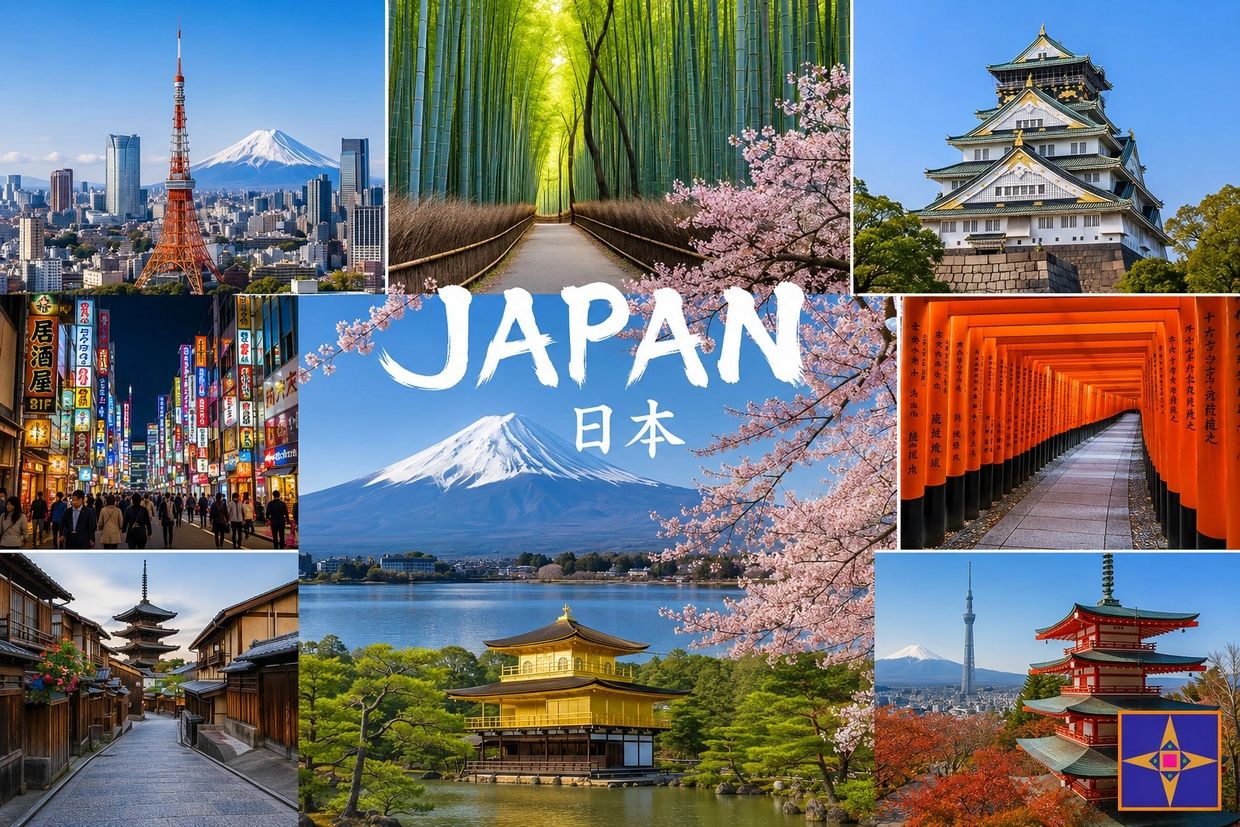
Experience the Best of JAPAN with Us
JAPAN
Tokyo
Tokyo, Japan’s dynamic capital, is a fascinating blend of ultra-modern innovation and centuries-old traditions. Visitors can explore iconic landmarks such as the bustling Shibuya Crossing, the historic Sensō-ji Temple in Asakusa, the Imperial Palace, and the vibrant districts of Shinjuku, Ginza, and Akihabara. The city offers world-class shopping, entertainment, museums, gardens, and a vibrant nightlife scene, making it one of the most exciting urban destinations in the world. Food lovers should try authentic sushi at Tsukiji Outer Market, ramen from famous local shops, tempura, yakitori, tonkatsu (breaded pork cutlet), and delicious Japanese desserts such as mochi and taiyaki.
Kyoto
Kyoto is considered the cultural heart of Japan and is famous for its beautifully preserved temples, shrines, traditional tea houses, and geisha districts. Visitors can stroll through the enchanting bamboo groves of Arashiyama, admire the golden beauty of Kinkaku-ji (Golden Pavilion), explore Fushimi Inari Shrine with its thousands of vermilion torii gates, and experience traditional Japanese culture in Gion. Kyoto's cuisine is deeply rooted in tradition, and travelers should sample kaiseki (multi-course Japanese dining), yudofu (tofu hot pot), matcha sweets, Kyoto-style sushi, and traditional wagashi confectioneries.
Osaka
Known as Japan’s kitchen, Osaka is famous for its lively atmosphere, friendly locals, and exceptional street food culture. Popular attractions include Osaka Castle, the neon-lit Dotonbori district, Universal Studios Japan, and the Umeda Sky Building. The city offers a perfect mix of modern attractions and historical sites. Food is a major highlight, with must-try dishes including takoyaki (octopus balls), okonomiyaki (savory pancake), kushikatsu (deep-fried skewers), yakiniku, and fresh seafood from local markets.
Mount Fuji
Mount Fuji, Japan’s highest and most iconic mountain, is a symbol of natural beauty and spiritual significance. Visitors can admire its snow-capped peak from surrounding lakes, hike its trails during the climbing season, or enjoy scenic viewpoints around the Fuji Five Lakes region. The area offers stunning photography opportunities, outdoor activities, and relaxing hot springs. Local specialties include Hoto noodles, grilled freshwater fish, mountain vegetables, and regional sweets made from locally grown fruits.
Hiroshima & Miyajima Island
Hiroshima is a city of resilience and peace, known for the Hiroshima Peace Memorial Park and Museum, which commemorate the events of World War II. Nearby Miyajima Island is famous for the magnificent floating torii gate of Itsukushima Shrine and its picturesque landscapes. Visitors can enjoy scenic hikes, cultural experiences, and beautiful coastal views. Culinary specialties include Hiroshima-style okonomiyaki layered with noodles, fresh oysters from the Seto Inland Sea, grilled conger eel (anago), and maple leaf-shaped momiji manju cakes.
Nara
Nara was Japan’s first permanent capital and is renowned for its rich cultural heritage and friendly free-roaming deer in Nara Park. Major attractions include Todai-ji Temple, which houses one of the world's largest bronze Buddha statues, Kasuga Taisha Shrine, and numerous UNESCO World Heritage Sites. The city offers a peaceful atmosphere and historical charm. Visitors should try kakinoha-zushi (sushi wrapped in persimmon leaves), traditional Japanese sweets, local mochi, and regional sake.
Shirakawa-go
Shirakawa-go is a picturesque mountain village famous for its UNESCO-listed gassho-zukuri farmhouses with steep thatched roofs designed to withstand heavy snowfall. The village offers stunning scenery throughout the year, particularly during winter when it transforms into a magical snow-covered landscape. Visitors can experience rural Japanese life, traditional architecture, and breathtaking mountain views. Local specialties include Hida beef, soba noodles, mountain vegetables, river fish, and traditional farmhouse-style meals.
Kanazawa
Kanazawa is a charming city known for its beautifully preserved samurai and geisha districts, stunning gardens, and rich artistic heritage. Kenroku-en Garden is considered one of Japan’s most beautiful landscape gardens, while Omicho Market offers fresh seafood and local produce. Visitors can also explore traditional gold leaf craftsmanship and historic neighborhoods. Food lovers should enjoy fresh sushi, seafood rice bowls, crab, gold leaf ice cream, and Jibuni, a local duck stew.
Takayama
Nestled in the Japanese Alps, Takayama is famous for its beautifully preserved old town, traditional wooden houses, and vibrant festivals. Visitors can stroll through Sanmachi Suji district, visit local morning markets, and experience authentic Japanese mountain culture. Takayama offers a relaxed atmosphere and stunning natural surroundings. Culinary highlights include premium Hida beef, Takayama ramen, grilled skewers, local sake, and traditional sweets.
Hakone
Hakone is one of Japan’s most popular hot spring destinations, offering magnificent views of Mount Fuji, scenic lakes, and volcanic landscapes. Visitors can enjoy boat cruises on Lake Ashi, ride the Hakone Ropeway, visit art museums, and relax in luxurious onsen resorts. The region is ideal for a peaceful getaway from Tokyo. Popular foods include black eggs boiled in volcanic springs, soba noodles, tofu dishes, and seasonal Japanese kaiseki meals served at ryokans.
Nikko
Nikko is a UNESCO World Heritage destination known for its magnificent shrines, temples, waterfalls, and mountain scenery. The lavish Toshogu Shrine, dedicated to Tokugawa Ieyasu, is one of Japan’s most ornate religious sites. Visitors can also explore Kegon Falls, Lake Chuzenji, and scenic hiking trails. Local delicacies include yuba (tofu skin), soba noodles, freshwater trout dishes, and traditional Japanese sweets.
Tsumago
Tsumago is a beautifully preserved post town along the historic Nakasendo Trail that once connected Kyoto and Edo (Tokyo). The village offers visitors a glimpse into Japan’s Edo-period past, with traditional wooden inns, stone-paved streets, and scenic mountain surroundings. Walking between Tsumago and nearby Magome is a popular cultural and hiking experience. Traditional foods to try include gohei mochi (grilled rice cakes with miso sauce), handmade soba noodles, local pickles, mountain vegetables, and seasonal Japanese countryside dishes.
TRAVEL TIPS
Best Time to Visit
The absolute best times to visit Japan are spring (March to May) and autumn (October to November).
Winter (December – February): Best for Snow
Guidelines for Travelers
Local Etiquette & Rules
Tipping: In Japan, tipping is completely absent. Leaving additional money in restaurants or taxis can be perplexing and may lead to staff pursuing you to return it.
Trash Disposal: Public trash receptacles are uncommon. It is advisable to carry a small plastic bag to hold your waste until you can return to your hotel or locate sorting bins adjacent to vending machines (designated solely for bottles and cans).
Visiting Japanese temples necessitates mindfulness, modesty, and reverence for sacred traditions. Essential etiquette includes wearing conservative attire, cleansing your hands at the water pavilion, and engaging in silent prayer with your hands joined—steering clear of the clapping customary at Shinto shrines. Please take off your shoes when entering indoors.
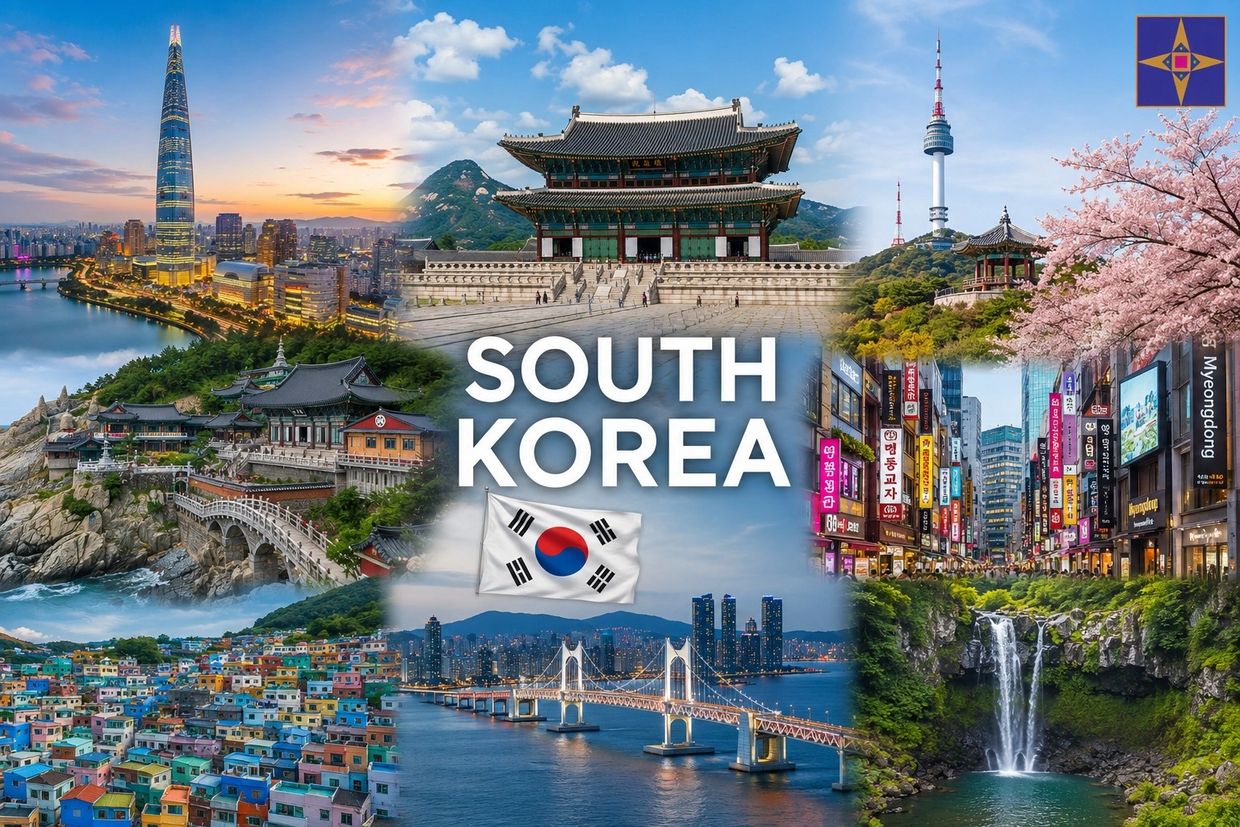
Experience the Best of SOUTH KOREA with Us
SOUTH KOREA
Seoul
Seoul, the vibrant capital of South Korea, is a fascinating blend of ancient traditions and cutting-edge modernity. Visitors can explore magnificent royal palaces such as Gyeongbokgung Palace, stroll through the traditional hanok houses of Bukchon Hanok Village, and enjoy panoramic city views from N Seoul Tower. The city is also renowned for its shopping districts, vibrant nightlife, K-pop culture, and world-class museums. Food lovers should try Korean barbecue (Samgyeopsal), Bibimbap, Tteokbokki (spicy rice cakes), Korean fried chicken, and Gwangjang Market’s famous Bindaetteok (mung bean pancakes) and Mayak Gimbap.
Busan
Busan is South Korea’s second-largest city and its premier coastal destination, known for its beautiful beaches, bustling seafood markets, and scenic mountain views. Visitors can relax at Haeundae Beach, admire colorful houses at Gamcheon Culture Village, and experience local life at Jagalchi Fish Market. The city offers a refreshing combination of urban attractions and seaside charm. Busan’s culinary specialties include fresh raw fish (Hoe), Dwaeji Gukbap (pork soup with rice), Milmyeon (cold wheat noodles), grilled seafood, and spicy fish cakes known as Eomuk.
Gyeongju
Often referred to as “the museum without walls,” Gyeongju was the ancient capital of the Silla Kingdom and is one of Korea’s most historically significant cities. Travelers can explore UNESCO-listed treasures such as Bulguksa Temple and Seokguram Grotto, as well as royal tombs, ancient observatories, and picturesque traditional architecture. The city provides an immersive journey into Korea’s rich cultural heritage. Local dishes to try include Ssambap (rice wrapped in fresh vegetables with side dishes), Hwangnam Bread (sweet red bean pastry), traditional Korean barbecue, and Gyeongju-style rice cakes.
Jeonju
Jeonju is considered the cultural and culinary heart of South Korea, famous for preserving traditional Korean heritage. The city’s highlight is Jeonju Hanok Village, where hundreds of beautifully preserved hanok houses line charming streets filled with tea houses, craft shops, and cultural experiences. Jeonju is particularly celebrated for its food culture and relaxed atmosphere. The city is the birthplace of Bibimbap, making it a must-try dish, alongside Kongnamul Gukbap (bean sprout soup with rice), Jeonju-style Korean pancakes, traditional rice wine (Makgeolli), and a variety of local street foods.
Sokcho
Nestled between mountains and the East Sea, Sokcho is a gateway to some of South Korea’s most spectacular natural scenery. It serves as the main entrance to Seoraksan National Park, renowned for its dramatic peaks, hiking trails, waterfalls, and vibrant autumn colors. Visitors can also enjoy coastal views, traditional markets, and fresh seafood. Sokcho’s culinary highlights include Dakgangjeong (sweet and crispy fried chicken), fresh squid dishes, grilled fish, seafood hot pots, and local specialties available at Sokcho Tourist & Fishery Market.
The Hahoe Folk Village
Hahoe Folk Village is a UNESCO World Heritage Site that offers an authentic glimpse into Korea’s Confucian traditions and rural life. Situated along the Nakdong River and surrounded by scenic landscapes, the village features well-preserved traditional homes, cultural performances, and centuries-old customs that continue to be practiced today. Visitors can enjoy a peaceful atmosphere while learning about Korea’s aristocratic heritage. The region’s most famous dish is Andong Jjimdak, a savory braised chicken dish cooked with vegetables and glass noodles. Other local specialties include Andong Soju, Heotjesabap (a meal inspired by ancestral rites), traditional Korean pancakes, and salted mackerel dishes that reflect the area’s culinary traditions.
TRAVEL TIPS
Best Time to Visit
spring (April to May)
autumn (September to November)
Guidelines for Travelers
- Respect: Hand and receive items with both hands to show respect.
- Shoes: Take off your shoes before entering traditional homes, temples, and some restaurants.
- Water: Tap water is widely safe to consume, though many tourists and locals prefer bottled water out of habit.
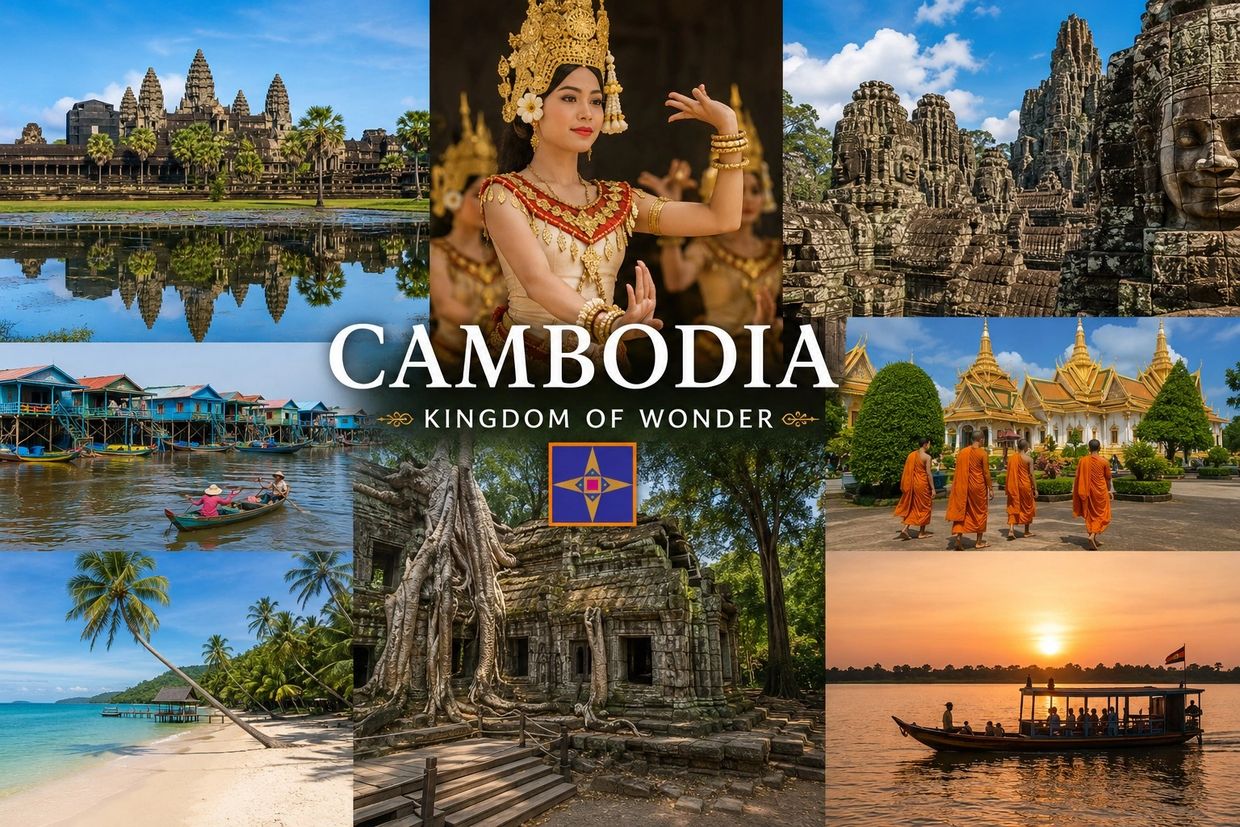
Experience the Best of CAMBODIA with Us
CAMBODIA
Siem Reap
Siem Reap is Cambodia’s most famous tourist destination and serves as the gateway to the magnificent UNESCO World Heritage Site of Angkor Archaeological Park, home to the iconic Angkor Wat, Bayon Temple, and Ta Prohm. Beyond the temples, visitors can enjoy vibrant night markets, traditional Apsara dance performances, cultural villages, and the floating communities of Tonlé Sap Lake. The city combines rich Khmer heritage with modern hospitality, making it a perfect blend of history, culture, and leisure. When in Siem Reap, be sure to try Fish Amok, Cambodia’s national dish made with freshwater fish, coconut milk, and fragrant spices steamed in banana leaves. Other local specialties include Khmer Red Curry, Nom Banh Chok (Khmer noodles), and delicious tropical fruits from local markets.
Phnom Penh
Phnom Penh, the capital of Cambodia, offers a fascinating mix of royal grandeur, French colonial architecture, and significant historical landmarks. Visitors can explore the stunning Royal Palace and Silver Pagoda, stroll along the scenic riverside promenade, and learn about Cambodia’s past at the Tuol Sleng Genocide Museum and Choeung Ek Killing Fields. The city is also known for its lively markets, modern cafés, and thriving culinary scene. Food lovers should sample Beef Lok Lak, a popular stir-fried beef dish served with a tangy pepper-lime sauce, as well as Num Pang (Cambodian baguette sandwiches) and Kuy Teav, a flavorful noodle soup commonly enjoyed for breakfast.
Battambang
Battambang is Cambodia’s cultural heartland, known for its well-preserved colonial architecture, artistic community, and picturesque countryside. The city offers unique experiences such as riding the famous Bamboo Train, visiting ancient temples like Wat Banan, exploring bat caves at Phnom Sampeau, and enjoying the peaceful rural landscapes dotted with rice fields and traditional villages. Battambang provides an authentic glimpse into local Cambodian life away from the more crowded tourist centers. While visiting, try Battambang Rice Noodles, freshly prepared with local ingredients, along with Prahok Ktis, a savory dip made from fermented fish, minced pork, and coconut milk. Local sticky rice desserts are also highly recommended.
Kampot
Kampot is a charming riverside town famous for its relaxed atmosphere, colonial-era buildings, and world-renowned pepper plantations. Visitors can enjoy river cruises, explore nearby caves and countryside, and venture into Bokor National Park for breathtaking mountain views and historical sites. Kampot’s laid-back vibe makes it a favorite destination for travelers seeking nature and tranquility. The region is celebrated for Kampot Pepper, considered one of the finest peppers in the world, and many local dishes highlight this prized ingredient. Popular foods include Pepper Crab, grilled seafood seasoned with Kampot pepper, fresh river fish dishes, and tropical fruit desserts.
Sihanoukville
Sihanoukville is Cambodia’s primary beach destination on the Gulf of Thailand, offering beautiful sandy beaches, clear waters, and access to several tropical islands. Visitors can relax on beaches such as Otres Beach, enjoy water sports, take boat excursions, and experience vibrant coastal nightlife. The city also serves as the main gateway to nearby islands including Koh Rong and Koh Rong Samloem. Seafood is the highlight of the local cuisine, with freshly caught prawns, squid, fish, and crabs featured in many dishes. Visitors should try Grilled Seafood Platters, Squid with Kampot Pepper, and refreshing tropical fruit shakes while enjoying ocean views.
Koh Rong Island
Koh Rong Island is a tropical paradise renowned for its white-sand beaches, turquoise waters, and lush jungle landscapes. It is one of Cambodia’s most beautiful islands, attracting visitors with opportunities for snorkeling, scuba diving, kayaking, hiking, and relaxing in secluded bays. The island is also famous for its magical bioluminescent plankton, which can often be seen glowing in the water at night. Dining on Koh Rong revolves around fresh seafood and island flavors. Popular choices include Barbecued Fish, Fresh Lobster, grilled prawns, and tropical fruit platters. Many beachfront restaurants also serve traditional Khmer curries and coconut-based dishes that perfectly complement the island’s relaxed atmosphere.
TRAVEL TIPS
Best Time to Visit
CAMBODIA can be visited all year round.
Guidelines for Travelers
When exploring temples or rural villages, ensure that your shoulders and knees are covered. It is essential to remove your shoes prior to entering homes and places of worship.
- Dress Code: When visiting religious sites like Angkor Wat or the Royal Palace, dress modestly by covering your shoulders and knees.
- Monk Respect: Monks are highly revered in Cambodia. Women should never touch a monk or their robes.
- Photo ID: Cambodian law requires you to carry a valid photo ID (such as a photocopy of your passport) with you at all times.
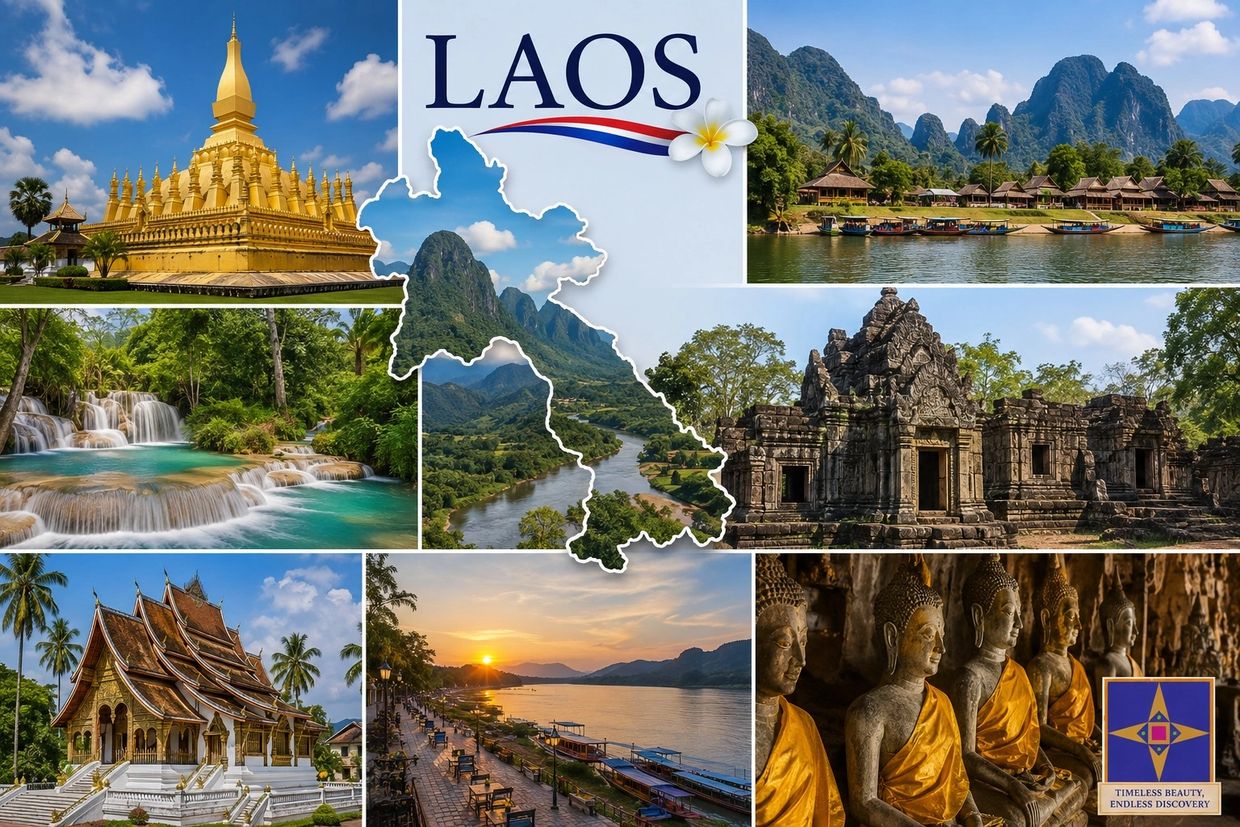
Experience the Best of laos with Us
LAOS
Vientiane
Vientiane, the relaxed capital of Laos, offers a blend of French colonial charm, Buddhist heritage, and riverside scenery along the Mekong River. Visitors can explore iconic landmarks such as Pha That Luang, the country's most sacred Buddhist monument, the impressive Patuxai monument, and the peaceful temples scattered throughout the city. The city's laid-back atmosphere makes it perfect for leisurely walks, night market shopping, and sunset views by the river. Food lovers should try Khao Piak Sen, a comforting rice noodle soup, Laap (a traditional minced meat salad flavored with herbs and lime), and Sai Oua, a flavorful Lao sausage. Sticky rice, a staple of Lao cuisine, accompanies most meals and offers an authentic taste of local culture.
Luang Prabang
Nestled between mountains and rivers, Luang Prabang is a UNESCO World Heritage city renowned for its beautifully preserved temples, colonial architecture, and spiritual atmosphere. Visitors can witness the traditional morning alms-giving ceremony, explore the stunning Kuang Si Falls, and climb Mount Phousi for panoramic sunset views. The city offers a perfect mix of culture, history, and natural beauty. Culinary highlights include Or Lam, a rich Lao stew made with vegetables and meat, Mok Pa, fish steamed in banana leaves with aromatic herbs, and fresh Mekong river fish dishes. Visitors should also sample local coffee and traditional Lao desserts sold at the vibrant night market.
Vang Vieng
Vang Vieng is famous for its spectacular karst mountain landscapes, crystal-clear lagoons, caves, and outdoor adventures. Once known primarily for backpacking, it has evolved into one of Laos' premier eco-tourism destinations, offering activities such as kayaking, hot air balloon rides, cave exploration, and hiking. The picturesque Nam Song River provides a stunning backdrop for relaxation and photography. Food enthusiasts should try grilled river fish, Ping Kai (Lao-style grilled chicken), and fresh papaya salad. The town also offers plenty of restaurants serving local Lao dishes alongside international cuisine, making it easy to enjoy both traditional flavors and modern dining experiences.
Pakse
Located in southern Laos, Pakse serves as the gateway to the beautiful Bolaven Plateau and the Four Thousand Islands region. Visitors are drawn to the area's waterfalls, coffee plantations, and scenic countryside. The nearby Bolaven Plateau is famous for its cool climate, lush landscapes, and some of the country's finest coffee production. While visiting Pakse, travelers should sample freshly brewed Bolaven coffee, grilled fish from the Mekong, and Khao Jee, a Lao-style baguette sandwich reflecting the country's French influence. Traditional Lao curries and spicy dipping sauces are also popular regional specialties.
Phonsavan
Phonsavan is best known as the gateway to the mysterious Plain of Jars, one of Southeast Asia's most intriguing archaeological sites. Thousands of ancient stone jars scattered across the landscape continue to fascinate historians and visitors alike. The region's rolling hills and unique cultural heritage make it an appealing destination for travelers interested in history and local traditions. Food in Phonsavan often reflects the area's cooler climate, with hearty dishes such as beef stew, grilled meats, and locally grown vegetables. Visitors should also try Lao hotpot and traditional sticky rice paired with spicy herb-based dips.
Si Phan Don (4,000 Islands)
Si Phan Don, meaning "Four Thousand Islands," is a tranquil river archipelago in southern Laos where the Mekong River widens dramatically. This peaceful region is ideal for relaxation, cycling, kayaking, and spotting the rare Irrawaddy dolphins. Popular islands such as Don Det and Don Khon offer stunning river views, waterfalls, and a slower pace of life. Visitors can explore the impressive Khone Phapheng Falls, often referred to as the "Niagara of Southeast Asia." Local cuisine centers around freshly caught river fish, grilled seafood, sticky rice, and spicy Lao salads. Coconut-based desserts and tropical fruits are widely available, providing refreshing treats after a day of exploring the islands.
Together, these destinations showcase the diversity of Laos—from ancient heritage and spiritual traditions to dramatic natural landscapes and distinctive culinary experiences, making the country a rewarding destination for culture, adventure, and food lovers alike.
TRAVEL TIPS
Best Time to Visit
LAOS can be visited all year round.
Guidelines for Travelers
Laos possesses a profound spiritual essence. When visiting temples and villages, it is important to dress modestly by covering your shoulders and knees, and to always take off your shoes. Additionally, refrain from touching individuals' heads or pointing your feet, as these actions are regarded as disrespectful.
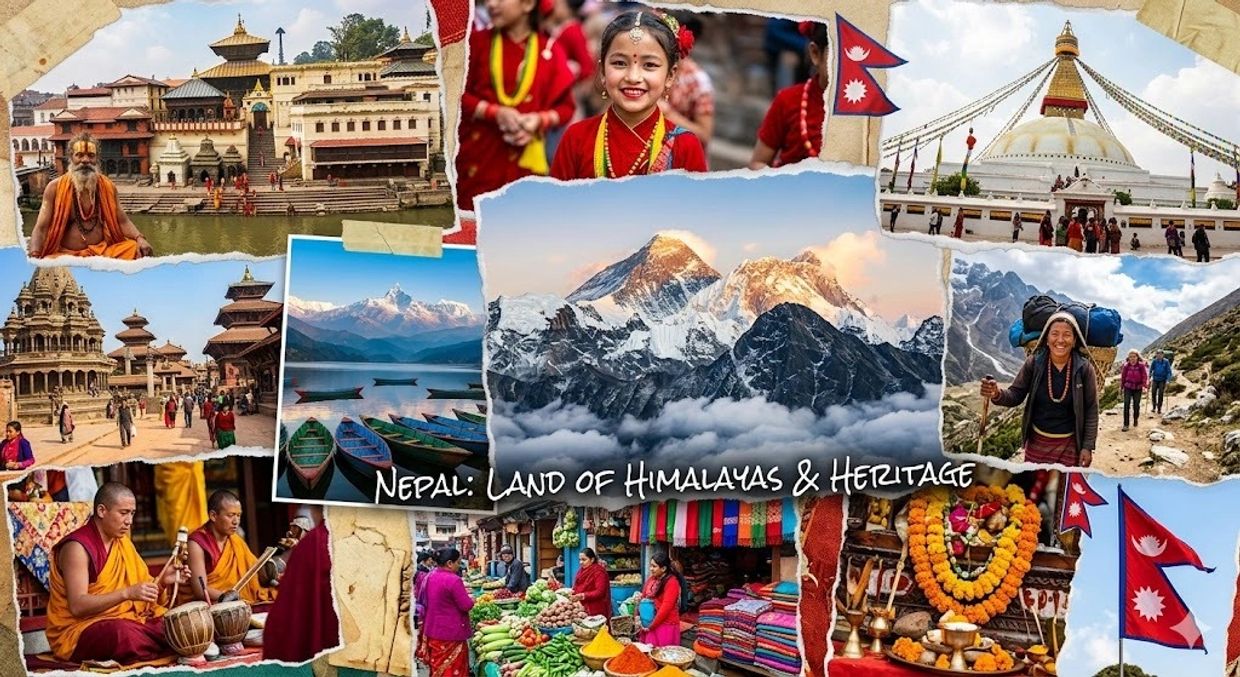
Experience the Best of NEPAL with Us
NEPAL
Kathmandu
Kathmandu, Nepal’s capital, is a vibrant mix of ancient heritage, bustling markets, and spiritual landmarks. The city is home to UNESCO World Heritage Sites such as Kathmandu Durbar Square, Swayambhunath (the Monkey Temple), and Boudhanath Stupa, making it an excellent destination for history and culture enthusiasts. Travelers can explore narrow alleys filled with traditional Newari architecture, artisan workshops, and colorful festivals that reflect the city’s rich cultural tapestry.
For food, try traditional Nepali dishes such as momo (steamed or fried dumplings), dal bhat (lentil soup with rice and accompaniments), and Newari cuisine including chatamari (rice-flour crepe) and yomari (sweet rice dumpling). Kathmandu’s cafes and restaurants also offer a wide range of Tibetan and international dishes.
Bhaktapur
Bhaktapur, often called the “City of Devotees,” is one of the best-preserved medieval cities in the Kathmandu Valley. Its Durbar Square features magnificent temples, palaces, and intricate wood carvings that showcase traditional Newari craftsmanship. Walking through Bhaktapur feels like stepping back in time, with brick-paved streets, pottery squares, and centuries-old courtyards adding to its unique charm.
A must-try specialty here is Juju Dhau, the famous “King Curd” of Bhaktapur, known for its creamy texture and rich flavor. Visitors should also sample bara (lentil pancakes), samay baji (a traditional Newari platter), and local sweets that are commonly sold around the old city.
Lumbini
Lumbini is one of the world’s most important pilgrimage destinations as the birthplace of Gautama Buddha. The sacred garden, Maya Devi Temple, and numerous monasteries built by Buddhist communities from around the world create a peaceful and reflective atmosphere. Beyond its spiritual significance, Lumbini offers opportunities to learn about Buddhist history, meditation practices, and Nepal’s cultural diversity.
Food in Lumbini reflects the flavors of Nepal’s southern plains. Try dal bhat, tharu cuisine, and dishes made with seasonal vegetables and local grains. Fresh fruit juices, milk-based sweets, and simple vegetarian meals are widely available and suit the town’s tranquil character.
Pokhara
Pokhara is Nepal’s premier lakeside destination and a gateway to the Annapurna trekking region. Surrounded by the Himalayas, the city offers stunning views, boating on Phewa Lake, adventure sports such as paragliding, and access to trekking routes. Attractions include Davis Falls, the World Peace Pagoda, and caves that add variety to the natural landscape.
For food, enjoy fresh fish from Phewa Lake, momo, and hearty dal bhat. Pokhara is also known for its growing cafe culture, where visitors can find Nepali coffee, bakery items, and international cuisine alongside local specialties.
Chitwan National Park
Chitwan National Park is Nepal’s most famous wildlife reserve, known for its dense forests, grasslands, and rich biodiversity. Visitors can enjoy jeep safaris, canoe rides, birdwatching, and opportunities to spot one-horned rhinoceroses, crocodiles, and other wildlife. The park also provides insight into the culture of the indigenous Tharu community, whose traditions are closely connected to the surrounding environment.
While visiting Chitwan, try traditional Tharu cuisine. Popular dishes include ghongi (snail curry, where available), fish dishes from local rivers, and rice-based meals served with vegetables and lentils. The flavors tend to be earthy, simple, and closely tied to the region’s agricultural traditions.
Nagarkot
Nagarkot is a hill station famous for panoramic Himalayan views and spectacular sunrise and sunset experiences. Located a short drive from Kathmandu, it is a popular retreat for travelers seeking cooler weather, scenic walks, and a quieter atmosphere. On clear days, visitors can enjoy views of several Himalayan peaks stretching across the horizon.
Food in Nagarkot is generally centered around comforting mountain-style meals. Try dal bhat, momo, and warm soups that are especially enjoyable in the cooler climate. Many resorts and guesthouses also serve local organic vegetables, homemade breads, and simple Nepali breakfasts with tea or coffee.
TRAVEL TIPS
Best Time to Visit
autumn (October to November) and spring (March to May)
Summers are hot and winters are pleasant to very cold depending on the places you will be visiting
Guidelines for Travelers
Dress modestly when you go to temples.
Carry winter clothes.
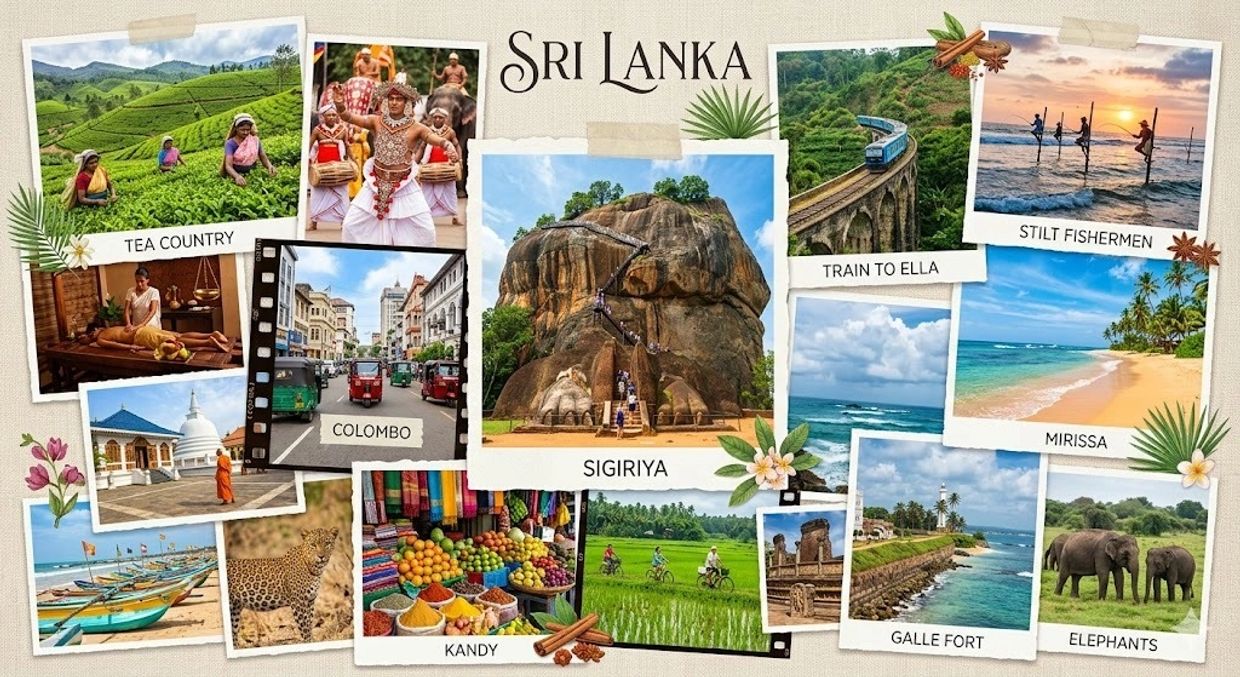
Experience the Best of Sri Lanka with Us
Sri Lanka
Colombo
Colombo, the bustling commercial capital of Sri Lanka, is a vibrant blend of colonial heritage, modern skyscrapers, cultural landmarks, and lively markets. Visitors can explore attractions such as the beautiful Gangaramaya Temple, the scenic Galle Face Green promenade, the National Museum, and the upscale shopping districts around Colombo. The city serves as an excellent introduction to Sri Lanka’s diverse culture, offering a mix of history, nightlife, and urban charm. Food lovers should try local specialties such as rice and curry, kottu roti, hoppers (appa), string hoppers, and fresh seafood. Colombo is also known for its street food scene, where spicy snacks like isso vade (prawn fritters) and short eats are popular.
Galle
Galle is a charming coastal city famous for the UNESCO-listed Galle Fort, a well-preserved colonial fortress built by the Portuguese and later expanded by the Dutch. Walking through its cobblestone streets reveals historic churches, boutique hotels, art galleries, and stunning ocean views. The city perfectly combines history, culture, and beachside relaxation. While in Galle, visitors should savor fresh seafood dishes, Sri Lankan crab curry, fish ambul thiyal (sour fish curry), coconut sambol, and tropical fruits. The seaside cafés within the fort also offer delicious fusion cuisine influenced by Dutch and Sri Lankan traditions.
Kandy
Nestled among lush hills, Kandy is Sri Lanka’s cultural capital and home to the revered Temple of the Sacred Tooth Relic, one of Buddhism’s most important pilgrimage sites. The city’s picturesque lake, botanical gardens, and traditional dance performances make it a must-visit destination. Kandy is especially vibrant during the annual Esala Perahera festival. Visitors should sample traditional Kandyan sweets, milk rice (kiribath), jackfruit curry, spicy rice and curry platters, and herbal teas sourced from the surrounding highlands. Local eateries often serve authentic Sri Lankan meals with rich flavors and aromatic spices.
Ella
Ella is a scenic mountain town renowned for its breathtaking landscapes, tea plantations, waterfalls, and hiking trails. Popular attractions include the Nine Arches Bridge, Little Adam’s Peak, Ella Rock, and Ravana Falls. The cool climate and stunning views make Ella one of Sri Lanka’s most beloved destinations for nature lovers and adventure seekers. Visitors can enjoy local dishes such as vegetable curries, roti, fresh fruit juices, and Sri Lankan-style fried rice. The region’s tea estates also offer some of the finest Ceylon tea experiences in the country.
Nuwara Eliya
Known as “Little England,” Nuwara Eliya is a picturesque hill station characterized by colonial architecture, manicured gardens, cool weather, and expansive tea plantations. Visitors can explore Gregory Lake, Hakgala Botanical Garden, and numerous tea factories that showcase the tea-making process. The town's charming atmosphere provides a refreshing escape from the tropical heat. Food enthusiasts should try freshly baked pastries, strawberry-based desserts, vegetable soups, local curries, and premium Ceylon tea. The cooler climate has also influenced the region’s cuisine, resulting in a blend of Sri Lankan and British culinary traditions.
Sigiriya
Sigiriya is one of Sri Lanka’s most iconic heritage sites, famous for the ancient rock fortress that rises dramatically above the surrounding plains. This UNESCO World Heritage Site features impressive frescoes, landscaped gardens, and panoramic views from the summit. Visitors often combine a visit to Sigiriya with nearby archaeological and wildlife attractions. Traditional village meals are highly recommended, including rice and curry served on lotus leaves, lentil dhal, coconut sambol, and fresh vegetables. Locally grown fruits such as mangoes and papayas add a refreshing touch to the dining experience.
Anuradhapura
Anuradhapura is one of the oldest continuously inhabited cities in the world and a sacred center of Buddhism. The city is renowned for its ancient stupas, monasteries, reservoirs, and the sacred Sri Maha Bodhi tree, believed to be the oldest documented tree planted by humans. Its rich archaeological heritage offers fascinating insights into Sri Lanka’s ancient civilization. Visitors should try simple yet flavorful traditional meals, including rice and curry, jackfruit preparations, lotus root dishes, mung bean curry, and coconut-based desserts that reflect the region’s agricultural roots.
Bentota
Bentota is a popular beach resort destination known for its golden sandy beaches, water sports, river safaris, and luxury resorts. The calm waters make it ideal for activities such as jet skiing, windsurfing, and boat rides along the Bentota River. Visitors can also explore nearby gardens and turtle conservation projects. Seafood dominates the local cuisine, with grilled prawns, crab curry, fish curry, and lobster being favorites. Fresh coconuts, tropical fruits, and spicy Sri Lankan accompaniments complete the coastal dining experience.
Trincomalee
Trincomalee is a stunning port city on Sri Lanka’s eastern coast, famous for its pristine beaches, natural harbor, whale-watching opportunities, and historic sites such as Koneswaram Temple. Nilaveli and Uppuveli beaches attract visitors seeking relaxation and marine adventures. The region’s cuisine is heavily influenced by Tamil culture, offering flavorful dishes such as seafood curries, crab curry, fish fry, dosas, idiyappam (string hoppers), and spicy sambols. Fresh seafood caught daily is a highlight for many travelers.
Mirissa
Mirissa is a tropical paradise renowned for its beautiful crescent-shaped beach, vibrant nightlife, surfing, and whale-watching excursions. The relaxed atmosphere and palm-fringed coastline make it a favorite destination among international travelers. Visitors can enjoy freshly grilled seafood, tuna steaks, prawn curries, coconut roti, tropical fruit platters, and refreshing king coconut drinks. Beachfront restaurants provide an excellent opportunity to enjoy fresh catches while watching spectacular sunsets over the Indian Ocean.
Weligama
Weligama, meaning “Sandy Village,” is a charming coastal town famous for beginner-friendly surfing, beautiful beaches, and traditional stilt fishermen. The laid-back atmosphere and growing café culture make it an attractive destination for travelers seeking relaxation and adventure. Food lovers can indulge in seafood curries, grilled fish, kottu roti, hoppers, and tropical fruit smoothies. The town’s seaside restaurants often serve fresh catches of the day prepared with authentic Sri Lankan spices.
Jaffna
Located in the northernmost part of Sri Lanka, Jaffna offers a unique cultural experience shaped by its rich Tamil heritage, historic temples, colonial landmarks, and vibrant local traditions. Highlights include Nallur Kandaswamy Temple, Jaffna Fort, and the nearby islands with their tranquil landscapes. Jaffna cuisine is distinct from the rest of Sri Lanka and is known for its bold flavors and use of seafood. Visitors should try Jaffna crab curry, odiyal kool (a traditional seafood soup), dosas, string hoppers, spicy mutton curry, and the famous Jaffna mangoes. The region’s cuisine is considered among the most flavorful in Sri Lanka.
TRAVEL TIPS
Best Time to Visit
Can be visited all year round.
Guidelines for Travelers
Slow Speeds: Even though distances seem small on the map, the twisty roads and lots of traffic can make a 100 km trip take anywhere from 3 to 5 hours.
Make sure to bring sunscreen with a high SPF, sunglasses, and a hat.
Dress Code: If you go to religious places (like the Temple of the Tooth in Kandy), make sure your shoulders and knees are covered and take off your shoes
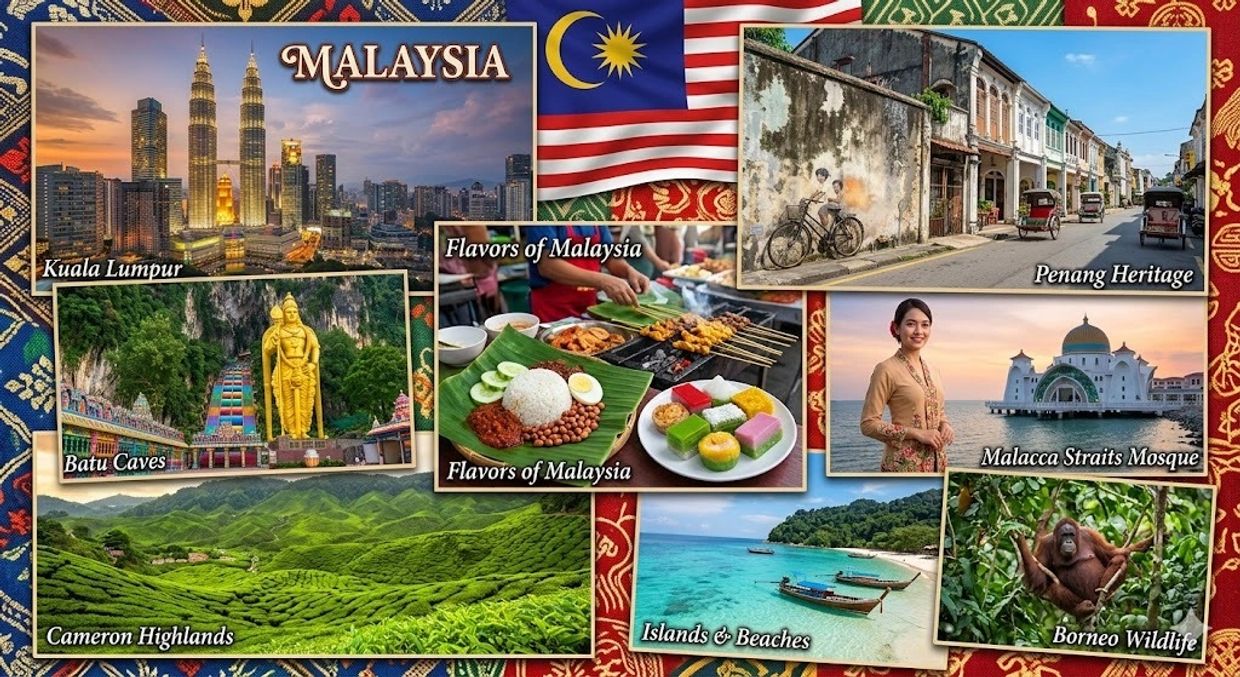
Experience the Best of MALAYSIA with Us
MALAYSIA
KUALA LUMPUR
Kuala Lumpur, the vibrant capital of Malaysia, is a dynamic city where modern skyscrapers stand alongside historic landmarks and cultural neighborhoods. Visitors can admire the iconic Petronas Twin Towers, explore the colorful Batu Caves, shop in Bukit Bintang, and experience the multicultural atmosphere of Chinatown and Little India. The city is also known for its bustling night markets and diverse culinary scene. Food lovers should try Nasi Lemak, Malaysia’s national dish, along with Satay, Char Kway Teow, Hokkien Mee, and refreshing Cendol.
GENTING HIGHLANDS
Nestled in the Titiwangsa Mountains, Genting Highlands is Malaysia’s premier hill resort destination, offering cool weather and spectacular mountain views. It is famous for its entertainment complexes, casinos, shopping outlets, and the thrilling Genting SkyWorlds Theme Park. The scenic cable car ride provides breathtaking views of the surrounding rainforest. Visitors can enjoy steamboat meals in the cool climate, along with roasted duck, dim sum, and local Chinese delicacies.
CAMERON HIGHLANDS
Cameron Highlands is a picturesque hill station renowned for its rolling tea plantations, strawberry farms, flower gardens, and cool temperatures. Travelers can visit tea estates, enjoy nature trails, and explore local markets selling fresh produce. The region's colonial charm and lush landscapes make it a favorite retreat from Malaysia’s tropical heat. Popular foods include freshly picked strawberries, strawberry desserts, traditional English-style scones with cream and jam, steamboat dinners, and fresh vegetables grown locally.
LANGKAWI
Langkawi is an archipelago of 99 islands known for its pristine beaches, turquoise waters, lush rainforests, and luxury resorts. Attractions include the Langkawi Sky Bridge, island-hopping tours, mangrove cruises, and stunning sunsets. The island is ideal for relaxation, water sports, and nature exploration. Visitors should savor seafood dishes, grilled fish, Laksa Kedah, Nasi Campur, and tropical fruits such as mangoes and rambutans.
PENANG
Often called the "Food Capital of Malaysia," Penang is famous for its rich cultural heritage, colonial architecture, and vibrant street art. The historic city of George Town offers charming streets, temples, museums, and colorful murals. Penang's culinary reputation attracts food enthusiasts from around the world. Signature dishes include Penang Char Kway Teow, Penang Assam Laksa, Nasi Kandar, Hokkien Mee, Cendol, and Rojak.
MELAKA
Melaka is a historic city that reflects centuries of Portuguese, Dutch, British, and Malay influences. Visitors can stroll through Jonker Street, explore colonial buildings, visit museums, and enjoy scenic river cruises. Its UNESCO-listed heritage zone showcases Malaysia’s rich cultural history. Food specialties include Chicken Rice Balls, Nyonya Laksa, Satay Celup, Cendol, and various Peranakan dishes that blend Chinese and Malay flavors.
JOHOR BAHRU
Johor Bahru is a growing city located near Singapore, offering family-friendly attractions, shopping centers, and cultural landmarks. It serves as a gateway to southern Malaysia and features theme parks, waterfront developments, and heritage districts. Visitors can enjoy local markets and vibrant nightlife. Must-try foods include Laksa Johor, Mee Rebus, Nasi Briyani Gam, Otak-Otak, and Kacang Pool.
BORNEO
Borneo, the world's third-largest island, is a paradise for nature lovers and adventure seekers. The Malaysian part of Borneo is known for ancient rainforests, diverse wildlife, indigenous cultures, and spectacular diving destinations. Visitors can encounter orangutans, explore caves, cruise along rivers, and experience traditional tribal villages. Local cuisine varies by region but commonly includes bamboo-cooked rice, jungle vegetables, fresh seafood, and indigenous dishes.
SABAH
Sabah is renowned for its stunning natural beauty, ranging from tropical islands and coral reefs to dense rainforests and towering mountains. Home to the majestic Mount Kinabalu, Sabah offers excellent trekking, wildlife encounters, and world-class diving opportunities. Visitors should sample Hinava (a traditional fish salad), fresh seafood, Tuaran Mee, and local tropical fruits.
SEPILOK
Sepilok is internationally famous for the Sepilok Orangutan Rehabilitation Centre, where visitors can observe rescued orangutans in a semi-wild environment. The area also features a sun bear conservation center and lush rainforest surroundings. Travelers can enjoy local Sabah dishes, fresh seafood, jungle-inspired cuisine, and tropical fruits available in nearby towns.
KOTA KINABALU
Kota Kinabalu, often called KK, is the capital of Sabah and serves as the gateway to many of Borneo’s natural attractions. The city offers beautiful waterfront sunsets, vibrant markets, nearby islands, and easy access to Mount Kinabalu. Visitors can explore cultural villages, island-hop, or simply enjoy the relaxed coastal atmosphere. Popular foods include fresh seafood, grilled fish, Tuaran Mee, Ngiu Chap (beef noodle soup), and coconut pudding.
SEMPORNA
Semporna is a world-renowned diving destination located on Sabah’s east coast. It is the gateway to spectacular marine parks and islands featuring crystal-clear waters, vibrant coral reefs, and diverse marine life. Divers from around the world visit the region for unforgettable underwater experiences. Seafood is exceptionally fresh here, with grilled prawns, lobster, fish dishes, seaweed salads, and local Bajau seafood specialties being highly recommended.
SARAWAK
KUCHING
Kuching, the capital of Sarawak, is a charming riverside city known for its relaxed atmosphere, colonial architecture, cultural diversity, and excellent museums. Visitors can stroll along the waterfront, visit traditional markets, and learn about indigenous cultures. The city is also an excellent base for exploring nearby national parks. Food highlights include Sarawak Laksa, Kolo Mee, Midin (jungle fern), Manok Pansoh (chicken cooked in bamboo), and layered Kek Lapis cake.
BAKO NATIONAL PARK
Bako National Park is Sarawak’s oldest national park and one of the best places in Malaysia to experience diverse ecosystems in a compact area. The park features dramatic coastal cliffs, secluded beaches, mangrove forests, and abundant wildlife, including the rare proboscis monkey. Numerous hiking trails lead visitors through unique landscapes and rich biodiversity. While dining options inside the park are limited, visitors should try Sarawak specialties before or after their visit, including Sarawak Laksa, Kolo Mee, Midin, fresh seafood, and traditional Dayak dishes available in nearby Kuching.
TRAVEL TIPS
Best Time to Visit
MALAYSIA can be visited all year round.
Guidelines for Travelers
Strict Regulations on Drugs and Vaping: Malaysia imposes the death penalty and lengthy prison terms for drug trafficking, along with severe penalties for mere possession. Vaping and e-cigarettes are subject to stringent regulations; vaping is prohibited in numerous public locations, including all air-conditioned environments, dining establishments, and religious sites.