.jpeg/:/cr=t:0%25,l:0%25,w:100%25,h:100%25/rs=w:1209,cg:true)
Experience the Best of ITALY with Us
ITALY
Rome
Rome, the Eternal City, is an open-air museum where ancient history meets vibrant modern life. Walk through the Colosseum and Roman Forum, toss a coin in the Trevi Fountain, and explore the artistic beauty of the Vatican Museums and St. Peter’s Basilica. Wander through charming streets like Trastevere for an authentic Roman atmosphere.
What to eat: traditional carbonara, amatriciana pasta, Roman-style pizza, and artisanal gelato.
Venice
Venice is a floating masterpiece built on canals, offering one of the most unique experiences in the world. Glide through the Grand Canal by gondola, visit St. Mark’s Square and Basilica, and explore hidden islands like Murano and Burano, famous for glassmaking and colorful houses.
What to eat: cicchetti (Venetian tapas), squid ink pasta, fresh seafood, and tiramisu.
Florence
Florence is the heart of the Renaissance, where art and architecture reach perfection. Admire the Duomo, cross the Ponte Vecchio, and explore masterpieces in the Uffizi Gallery. Sunset views from Piazzale Michelangelo are unforgettable.
What to eat: bistecca alla Fiorentina, ribollita soup, Tuscan wines, and cantucci biscuits with vin santo.
Milan
Milan is Italy’s modern capital of fashion, design, and innovation. Visit the stunning Duomo Cathedral, shop in the Galleria Vittorio Emanuele II, and admire Leonardo da Vinci’s “The Last Supper.” At night, enjoy the lively Navigli canals.
What to eat: risotto alla Milanese, ossobuco, panettone, and aperitivo-style snacks.
Naples
Naples is raw, authentic, and full of energy, set against the dramatic backdrop of Mount Vesuvius. Explore the historic center, underground tunnels, and nearby wonders like Pompeii, Capri, and the Amalfi Coast.
What to eat: original Neapolitan pizza, sfogliatella pastry, fried street food, and espresso served the local way.
Verona
Verona is one of Italy’s most romantic cities, known for Shakespeare’s Romeo and Juliet. Discover the ancient Roman Arena, stroll through elegant squares, and enjoy wine tours in the surrounding Valpolicella region.
What to eat: risotto all’Amarone, local wines, and pandoro cake.
Bologna
Bologna is a lively university city famous for its endless porticoes and incredible food culture. Climb the Asinelli Tower, explore Piazza Maggiore, and wander through medieval streets full of life and history.
What to eat: tagliatelle al ragù (Bolognese sauce), tortellini in broth, mortadella, and local cured meats.
Pisa
Pisa is globally known for its Leaning Tower, but its charm goes far beyond it. Explore Piazza dei Miracoli, visit historic churches, and enjoy the relaxed Tuscan atmosphere along the Arno River.
What to eat: cecina (chickpea flatbread), Tuscan soups, and rustic local wines.
TRAVEL TIPS
Best Time to Visit
- April–June ideal weather, fewer crowds
- September–October warm, beautiful light, perfect for sightseeing
- July–August hot & very crowded (especially cities)
- November–March low season, cheaper, quieter (some coastal areas less active)
Guidelines for Travelers
It is recommended to pack light with comfortable shoes, as most Italian cities are best explored on foot.
Public transport, especially trains, is the easiest way to move between cities.
Credit cards are widely accepted, though carrying some cash is useful for small purchases. Respect local customs, especially dress codes when visiting churches, and stay mindful of belongings in crowded tourist areas.
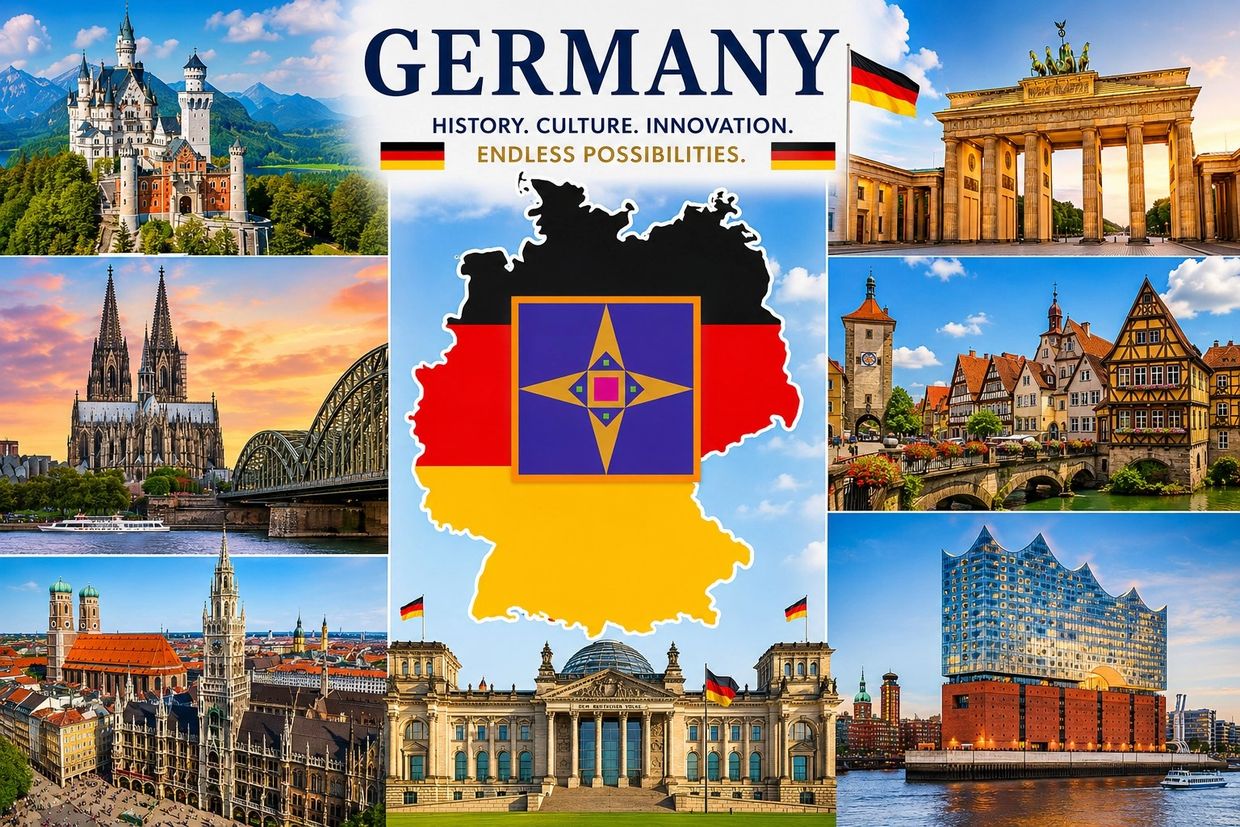
Experience the Best of GERMANY with Us
GERMANY
Munich
Munich perfectly blends Bavarian tradition with modern sophistication. Explore the famous Marienplatz, admire the stunning Nymphenburg Palace, and enjoy the city's world-renowned beer gardens. Nature lovers can also use Munich as a gateway to the Bavarian Alps and fairytale castles like Neuschwanstein.
What to eat: Weisswurst (Bavarian sausage), pretzels, schnitzel, apple strudel, and traditional Bavarian beer.
Berlin
Germany's capital is a dynamic city where history, culture, and creativity come together. Visit the Brandenburg Gate, the Berlin Wall Memorial, and Museum Island, then discover vibrant neighborhoods filled with street art, cafés, and nightlife.
What to eat: Currywurst, döner kebab, Berliner doughnuts, and traditional German sausages.
Nuremberg
Nuremberg is one of Germany's most charming medieval cities. Walk through its beautifully preserved Old Town, visit the Imperial Castle, and discover centuries of history. During winter, the city hosts one of Europe's most famous Christmas markets.
What to eat: Nuremberg sausages, gingerbread (Lebkuchen), roast pork, and local Franconian wines.
Leipzig
Leipzig is a vibrant cultural destination known for its music, art, and creative energy. Once home to composers such as Bach, the city boasts beautiful architecture, lively cafés, and a thriving arts scene that attracts visitors from around the world.
What to eat: Saxon potato soup, Quarkkeulchen (potato pancakes), local pastries, and regional beers.
Cologne
Located on the Rhine River, Cologne is famous for its magnificent Gothic cathedral, one of Germany's most iconic landmarks. The city offers a lively atmosphere, scenic riverfront walks, excellent museums, and a welcoming local culture.
What to eat: Kölsch beer, Himmel un Ääd (mashed potatoes and apples), roast pork dishes, and local pastries.
Black Forest
The Black Forest is one of Germany's most breathtaking natural regions. Known for its dense forests, picturesque villages, scenic hiking trails, and traditional cuckoo clocks, it offers the perfect escape for nature lovers. Visitors can explore charming towns, crystal-clear lakes, and some of Germany's most beautiful landscapes.
What to eat: Black Forest cake, smoked ham, traditional sausages, and hearty regional specialties.
Dresden
Known as the "Florence on the Elbe," Dresden is one of Germany's most elegant and culturally rich destinations. The city is famous for its magnificent Baroque architecture, impressive museums, and beautifully restored historic center. Visitors can admire landmarks such as the Frauenkirche, the Zwinger Palace, and the Semper Opera House, while enjoying scenic walks along the Elbe River. Dresden also serves as an excellent gateway to the breathtaking landscapes of Saxon Switzerland National Park.
What to eat: Sauerbraten (marinated roast beef), Saxon potato soup, Eierschecke cake, local wines from the Elbe Valley, and traditional German pastries.
TRAVEL TIPS
Best Time to Visit
May to September for pleasant weather, outdoor activities, and sightseeing.
December is especially magical thanks to the country's famous Christmas markets and festive atmosphere.
Guidelines for Travelers
Germany has one of Europe's most efficient transportation networks. High-speed trains connect major cities, making travel comfortable and convenient.
Credit and debit cards are widely accepted, but carrying some cash is advisable, especially in smaller towns, local markets, and traditional restaurants.
Germany is generally a very safe destination. As with any major tourist destination, keep an eye on personal belongings in crowded areas and train stations.
.jpeg/:/cr=t:0%25,l:0%25,w:100%25,h:100%25/rs=w:1240,cg:true)
Experience the Best of Switzerland with Us
Switzerland
Zurich
Zurich is Switzerland's largest city, where modern sophistication meets historic charm. Stroll through the picturesque Old Town, explore world-class museums, and enjoy the beautiful shores of Lake Zurich. The city is also renowned for luxury shopping, vibrant nightlife, and its high quality of life.
What to eat: Zürcher Geschnetzeltes (sliced veal in creamy sauce), rösti, Swiss chocolate, and traditional Swiss pastries.
Bern
Switzerland's capital is a charming UNESCO World Heritage city known for its medieval architecture, cobblestone streets, and iconic clock tower. Visitors can wander through the historic arcades, enjoy views of the Aare River, and discover a relaxed atmosphere that perfectly reflects Swiss culture.
What to eat: Bernese platter, rösti, Swiss cheeses, and traditional nut pastries.
Geneva
Nestled on the shores of Lake Geneva, Geneva is an elegant international city famous for diplomacy, luxury, and breathtaking scenery. Visit the iconic Jet d'Eau, stroll along the lakeside promenade, and explore the city's rich cultural and historical attractions.
What to eat: Cheese fondue, raclette, lake fish specialties, Swiss chocolates, and artisan pastries.
Interlaken
Situated between Lake Thun and Lake Brienz, Interlaken is one of Switzerland's most spectacular mountain destinations. Surrounded by the peaks of the Bernese Alps, it offers unforgettable outdoor adventures, stunning viewpoints, and easy access to some of the country's most famous alpine landscapes.
What to eat: Swiss fondue, rösti, alpine cheeses, and traditional mountain cuisine.
Lucerne
Lucerne is a picture-perfect city surrounded by mountains and a sparkling lake. Famous for the Chapel Bridge, charming Old Town, and breathtaking scenery, it is one of Switzerland's most beloved destinations. Visitors can enjoy scenic boat cruises and panoramic mountain excursions nearby.
What to eat: Lucerne Chügelipastete, Swiss chocolate, fondue, and regional specialties.
Mount Titlis
Mount Titlis is one of Switzerland's most iconic alpine experiences. Accessible by a spectacular rotating cable car, the mountain offers year-round snow, breathtaking glacier views, and thrilling attractions such as the Titlis Cliff Walk, Europe's highest suspension bridge.
What to eat: Traditional Swiss mountain dishes, fondue, raclette, and warm alpine desserts.
Zermatt
Nestled at the foot of the world-famous Matterhorn, Zermatt is a luxury mountain resort renowned for its breathtaking scenery and outdoor adventures. This car-free village offers exceptional skiing, hiking, fine dining, and some of the most spectacular alpine views in Europe.
What to eat: Raclette, fondue, dried meats, alpine cheeses, and premium Swiss chocolates.
TRAVEL TIPS
Best Time to Visit
May to September offers pleasant weather, crystal-clear lakes, and ideal conditions for sightseeing and mountain excursions.
December to March is perfect for skiing, winter sports, and enjoying magical snow-covered alpine villages.
Guidelines for Travelers
Switzerland has one of the world's most efficient transportation systems. Trains, buses, and boats provide reliable connections between major cities, mountain resorts, and scenic destinations.
The official currency is the Swiss Franc (CHF). Credit and debit cards are widely accepted, although carrying a small amount of cash can be useful in rural areas.
When visiting alpine destinations such as Interlaken, Mount Titlis, or Zermatt, check weather forecasts in advance and be prepared for cooler temperatures at higher elevations.
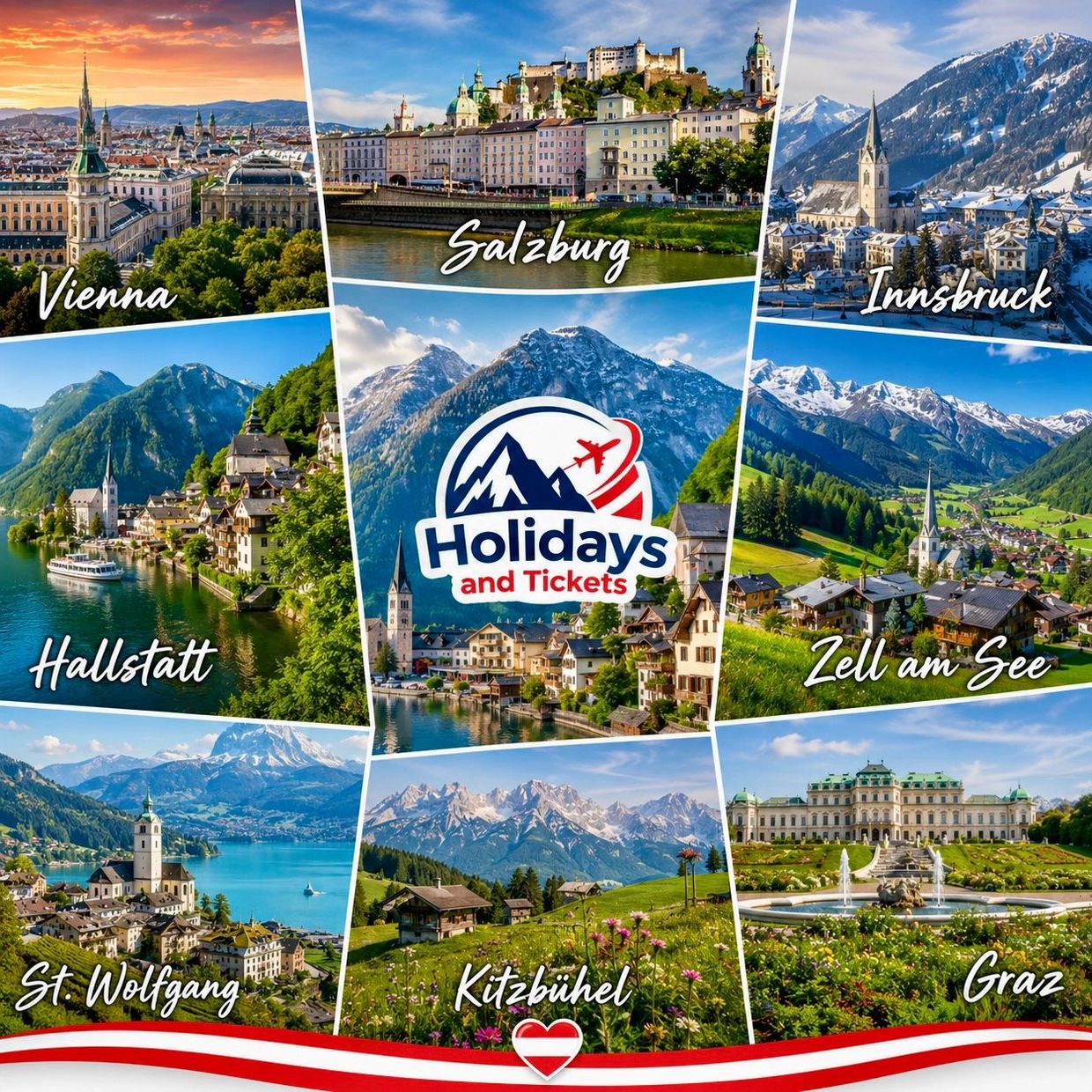
Experience the Best of Austria with Us
Austria
Vienna
Vienna, Austria's elegant capital, is renowned for its imperial history, magnificent architecture, and rich musical heritage. Explore the stunning Schönbrunn Palace, visit the Hofburg Imperial Palace, and admire the grandeur of St. Stephen's Cathedral. The city's charming cafés, classical concerts, and sophisticated atmosphere make it one of Europe's most captivating destinations.
What to eat: Wiener Schnitzel, Sachertorte, Apfelstrudel, Tafelspitz, and traditional Viennese coffee.
Innsbruck
Nestled in the heart of the Alps, Innsbruck combines breathtaking mountain scenery with a charming historic center. Famous for its winter sports, colorful Old Town, and the iconic Golden Roof, the city offers year-round opportunities for outdoor adventures and cultural exploration.
What to eat: Tiroler Gröstl, Kaiserschmarrn, Austrian dumplings, and local alpine specialties.
Salzburg
Known as the birthplace of Mozart, Salzburg is one of Austria's most picturesque cities. Its baroque architecture, hilltop fortress, and stunning alpine backdrop create a magical atmosphere. Visitors can stroll through the charming Old Town, visit Mozart's birthplace, and explore locations featured in The Sound of Music.
What to eat: Salzburger Nockerl, schnitzel, apple strudel, and traditional Austrian pastries.
Hallstatt
Hallstatt is one of the most beautiful lakeside villages in the world. Surrounded by mountains and overlooking a crystal-clear lake, this fairytale destination captivates visitors with its charming houses, scenic viewpoints, and peaceful atmosphere. It is a must-visit for photography lovers and nature enthusiasts.
What to eat: Fresh lake fish, Austrian pastries, alpine cheeses, and regional specialties.
Graz
Austria's second-largest city offers a perfect blend of history, culture, and modern creativity. Graz is known for its well-preserved medieval center, vibrant culinary scene, and unique contemporary architecture. Visitors can explore the UNESCO-listed Old Town, admire panoramic views from Schlossberg Hill, and discover the city's youthful atmosphere.
What to eat: Styrian pumpkin seed oil specialties, fried chicken, regional wines, and traditional Austrian desserts.
TRAVEL TIPS
Best Time to Visit
Austria is a year-round destination. May to September offers pleasant weather for sightseeing, hiking, and exploring cities and alpine landscapes. December to March is ideal for winter sports, Christmas markets, and enjoying the country's snow-covered mountain scenery.
Guidelines for Travelers
Austria has an excellent public transportation network, with efficient trains and buses connecting major cities, villages, and mountain regions.
Weather conditions vary between cities and alpine areas. Comfortable walking shoes and layered clothing are recommended throughout the year.
For destinations such as Innsbruck and Hallstatt, weather conditions can change rapidly. Appropriate clothing and advance planning are recommended for outdoor activities.

Experience the Best of CZECH REPUBLIC with Us
Czech Republic
Prague
Prague, the capital of the Czech Republic, is one of Europe's most enchanting cities. Known as the "City of a Hundred Spires," it captivates visitors with its medieval architecture, charming cobblestone streets, and rich history. Explore Prague Castle, stroll across the iconic Charles Bridge, and admire the beauty of the Old Town Square and Astronomical Clock.
What to eat: Goulash, svíčková (marinated beef with cream sauce), roast pork with dumplings, trdelník, and Czech beer.
Pilsen
Pilsen is world-famous as the birthplace of Pilsner beer and offers a fascinating blend of brewing heritage and historic charm. Visitors can tour the renowned Pilsner Urquell Brewery, explore the city's colorful squares, and discover impressive Gothic architecture.
What to eat: Pilsner beer, roast pork, Czech sausages, dumplings, and traditional pub specialties.
Český Krumlov
Český Krumlov is a fairytale town nestled along the Vltava River. Its beautifully preserved medieval center, winding streets, and magnificent castle have earned it UNESCO World Heritage status. The town's romantic atmosphere and stunning scenery make it one of the Czech Republic's most picturesque destinations.
What to eat: Traditional Czech cuisine, roast duck, dumplings, local pastries, and regional beers.
České Budějovice
Known for its brewing tradition and elegant historic center, České Budějovice offers visitors a more relaxed and authentic Czech experience. The city's beautiful main square, historic buildings, and nearby natural attractions make it a worthwhile stop in Southern Bohemia.
What to eat: Budweiser-style beer, roast meats, Czech dumplings, and traditional desserts.
Kutná Hora
Kutná Hora is a historic gem famous for its medieval silver-mining heritage and remarkable architecture. Visitors can explore the stunning St. Barbara's Church, wander through the charming old town, and visit the unique Sedlec Ossuary, often known as the Bone Church.
What to eat: Czech goulash, local pastries, traditional soups, and regional Czech beers.
Brno
Brno is the country's second-largest city and a vibrant center of culture, history, and innovation. Known for its lively atmosphere, impressive architecture, and excellent food scene, Brno offers attractions such as Špilberk Castle, the Cathedral of St. Peter and Paul, and numerous cafés and wine bars.
What to eat: Moravian wines, roast pork, dumplings, traditional Czech desserts, and regional specialties.
TRAVEL TIPS
Best Time to Visit
The best time to visit is April to June and September to October, when temperatures are pleasant and major attractions are less crowded. Summer is ideal for sightseeing and outdoor events, while winter offers festive Christmas markets and a magical atmosphere, especially in Prague.
Guidelines for Travelers
The Czech Republic has an efficient and affordable transportation network, with trains and buses connecting major cities, towns, and tourist attractions.
Weather conditions vary by season. Comfortable walking shoes are recommended, especially when exploring historic city centers with cobblestone streets.
The official currency is the Czech Koruna (CZK). Credit and debit cards are widely accepted, though carrying some local currency is useful for smaller establishments.
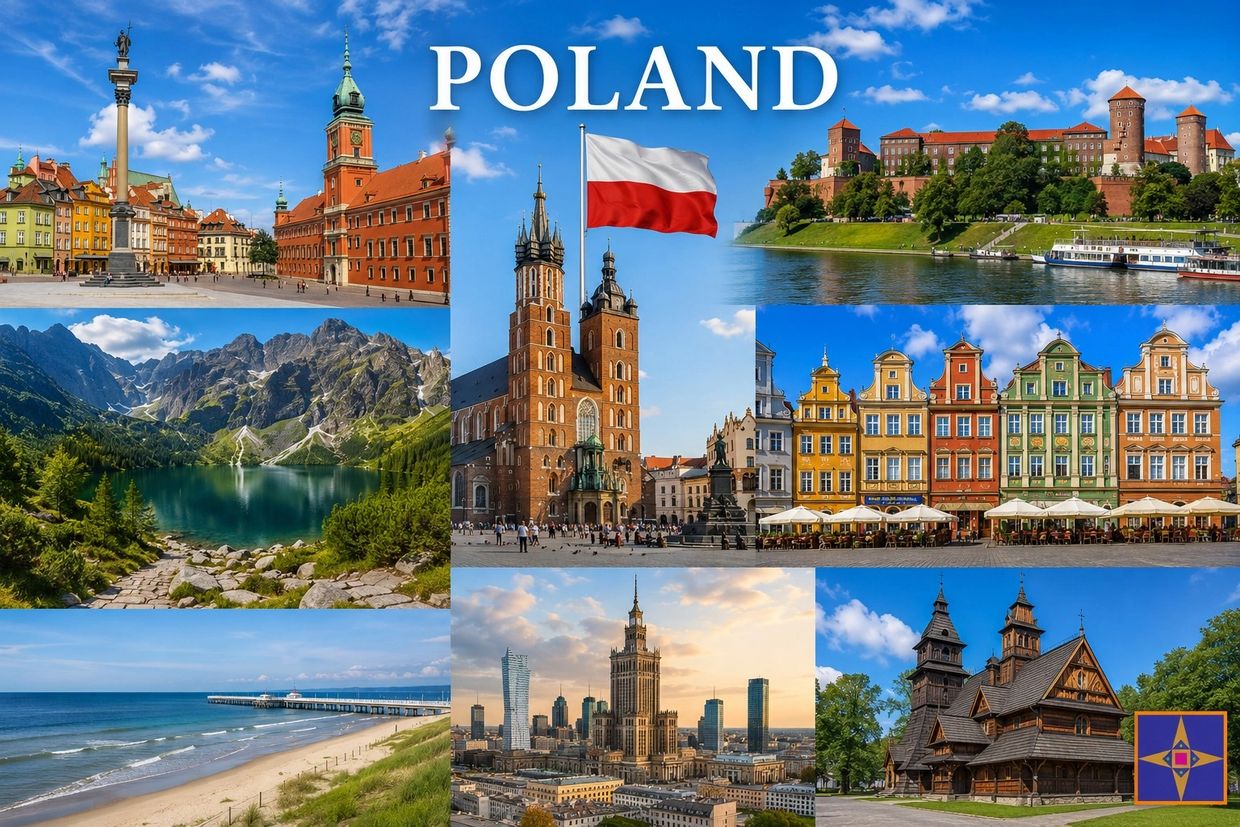
Experience the Best of poland with Us
Poland
Warsaw
Warsaw, Poland's dynamic capital, is a city where history and modernity coexist beautifully. Rebuilt after World War II, the city features a charming Old Town, impressive royal palaces, modern skyscrapers, and vibrant cultural attractions. Visitors can explore the Royal Castle, stroll through Łazienki Park, and experience the city's thriving culinary and nightlife scene.
What to eat: Pierogi, żurek (sour rye soup), kielbasa, bigos, and traditional Polish pastries.
Wrocław
Often called the "Venice of Poland," Wrocław is famous for its picturesque islands, bridges, and colorful market square. The city combines Gothic architecture, a lively atmosphere, and charming riverside scenery. Visitors can explore the beautiful Old Town and search for the city's famous dwarf statues scattered throughout the streets.
What to eat: Pierogi, Polish dumplings, local sausages, potato pancakes, and traditional desserts.
Poznań
Poznań is one of Poland's oldest and most beautiful cities, known for its colorful Renaissance buildings and vibrant cultural scene. The charming Old Market Square, historic cathedral, and lively cafés make it an ideal destination for travelers seeking authentic Polish culture and history.
What to eat: St. Martin's croissants, roast duck, pierogi, regional cheeses, and traditional Polish dishes.
Kraków
Kraków is widely regarded as Poland's cultural capital and one of Europe's most beautiful historic cities. Its perfectly preserved medieval center, stunning Main Market Square, and majestic Wawel Castle attract visitors from around the world. Nearby attractions include the Wieliczka Salt Mine and the historic site of Auschwitz-Birkenau.
What to eat: Obwarzanek (traditional ring-shaped bread), pierogi, oscypek smoked cheese, hearty soups, and Polish pastries.
Gdańsk
Located on the Baltic Sea coast, Gdańsk is a historic port city known for its colorful waterfront, maritime heritage, and beautifully restored Old Town. Visitors can explore the Long Market, stroll along the Motława River, and discover the city's important role in European history.
What to eat: Fresh seafood, smoked fish, pierogi, amber-inspired sweets, and traditional Polish specialties.
TRAVEL TIPS
Best Time to Visit
The best time to visit Poland is May to September, when temperatures are pleasant and ideal for sightseeing. Spring and early autumn offer comfortable weather and fewer crowds, while winter is perfect for experiencing festive Christmas markets and seasonal celebrations.
Guidelines for Travelers
Poland offers an efficient and affordable transportation network, with modern trains and buses connecting major cities and tourist destinations.
Weather can vary significantly between seasons. Comfortable walking shoes and layered clothing are recommended, especially when exploring historic city centers.
The official currency is the Polish Złoty (PLN). Credit and debit cards are widely accepted, although carrying some local currency may be useful for smaller purchases.
Poland has a rich cultural heritage and strong traditions. Respect for historical sites, churches, and local customs is appreciated throughout the country.
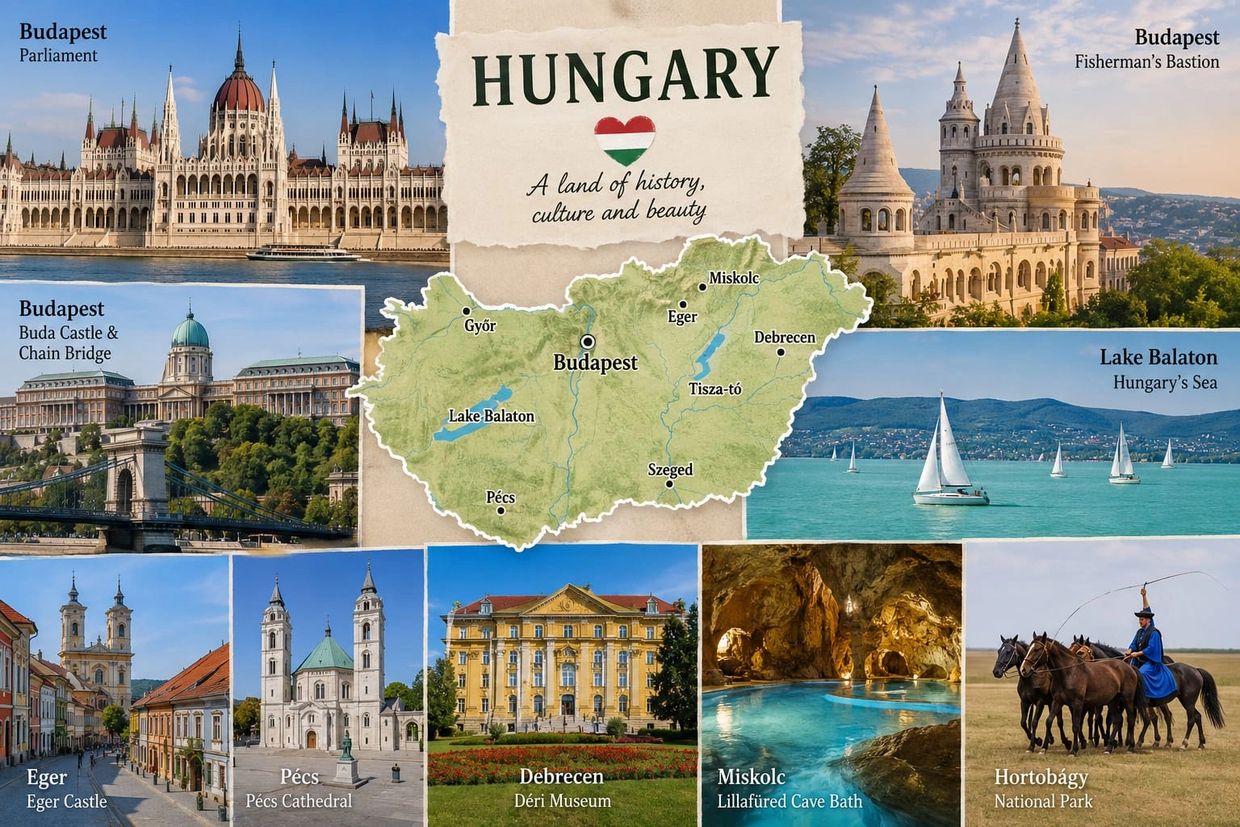
Experience the Best of hungary with Us
Hungary
Budapest
Budapest, the capital of Hungary, is often called the "Pearl of the Danube." Divided by the majestic Danube River into Buda and Pest, the city is renowned for its stunning architecture, thermal baths, vibrant nightlife, and rich history. Visitors can admire the Hungarian Parliament Building, explore Buda Castle, and enjoy breathtaking views from Fisherman's Bastion.
What to eat: Goulash, chimney cake (Kürtőskalács), chicken paprikash, lángos, and traditional Hungarian pastries.
Szentendre
Located just north of Budapest, Szentendre is a charming riverside town known for its colorful Baroque architecture, art galleries, and relaxed atmosphere. Its cobblestone streets, boutique shops, and cafés make it a popular destination for visitors seeking a picturesque Hungarian experience.
What to eat: Hungarian pastries, chimney cake, local wines, and traditional Hungarian specialties.
Pécs
Pécs is one of Hungary's most historic and culturally rich cities. Influenced by Roman, Ottoman, and Hungarian heritage, it boasts impressive architecture, lively squares, and a thriving arts scene. Highlights include the Pécs Cathedral, the Early Christian Necropolis, and the city's charming old town.
What to eat: Stuffed cabbage, Hungarian stews, local wines from the Villány region, and traditional desserts.
Lake Balaton
Often referred to as the "Hungarian Sea," Lake Balaton is Central Europe's largest lake and one of the country's most beloved holiday destinations. Visitors can relax on its beaches, explore charming lakeside towns, enjoy water sports, and discover rolling vineyards that surround the region.
What to eat: Fresh fish dishes, lángos, local wines, Hungarian sausages, and regional specialties.
Eger
Eger is a beautiful historic town famous for its Baroque architecture, thermal baths, and renowned wine culture. Visitors can explore Eger Castle, stroll through the charming old town, and enjoy wine tastings in the famous Valley of the Beautiful Women, one of Hungary's most celebrated wine regions.
What to eat: Goulash, Hungarian stews, local cheeses, traditional pastries, and the region's famous Egri Bikavér (Bull's Blood) wine.
TRAVEL TIPS
Best Time to Visit
The best time to visit Hungary is April to June and September to October, when temperatures are pleasant and ideal for sightseeing. Summer is perfect for enjoying Budapest's outdoor attractions and relaxing around Lake Balaton, while winter offers festive Christmas markets and thermal bath experiences.
Guidelines for Travelers
Hungary has a reliable transportation network, with trains and buses connecting major cities and tourist destinations. Budapest also offers an efficient public transportation system.
Summers can be warm, while winters are often cold. Comfortable walking shoes and clothing suitable for the season are recommended.
The official currency is the Hungarian Forint (HUF). Credit and debit cards are widely accepted, although carrying some local currency can be useful for smaller purchases.
Hungarians are proud of their history, traditions, and cuisine. Respect for local customs and historical landmarks is appreciated throughout the country.
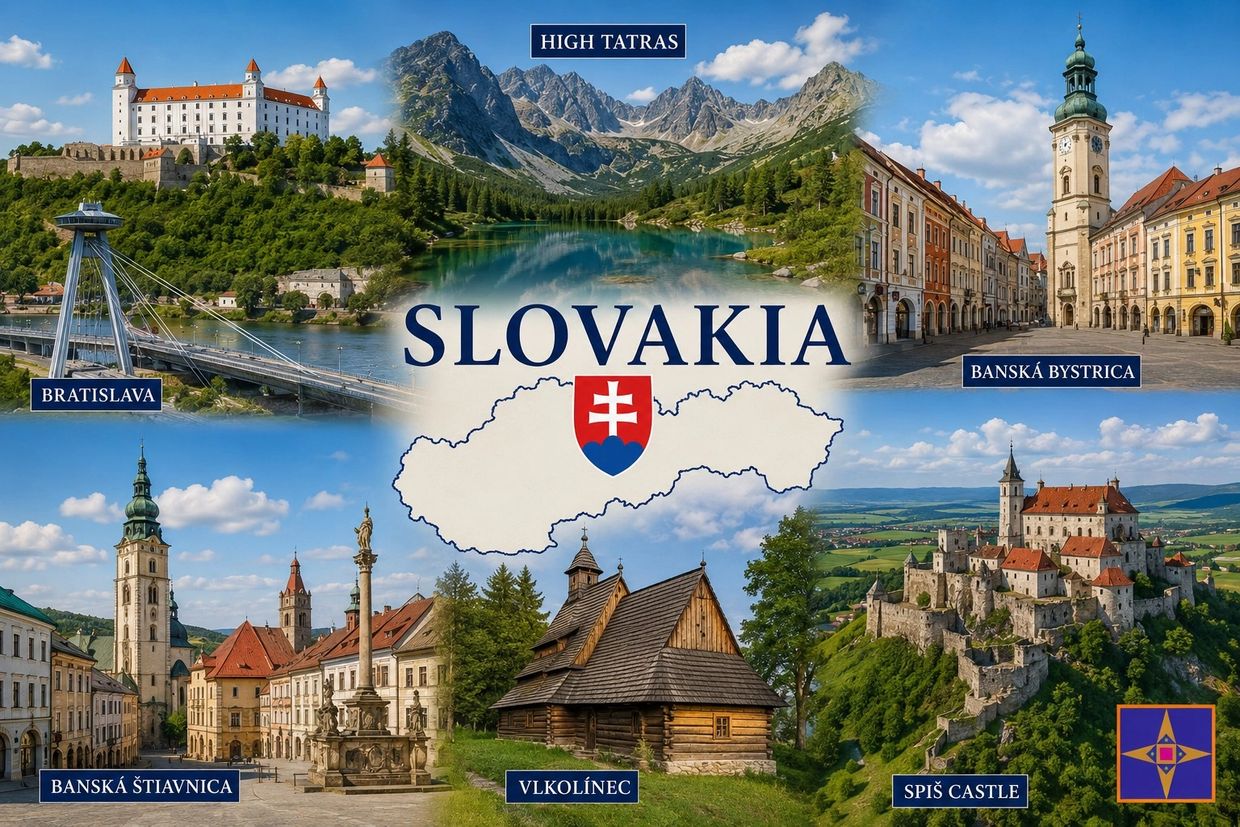
Experience the Best of slovakia with Us
Slovakia
Bratislava
Bratislava, Slovakia's charming capital, sits along the banks of the Danube River and blends medieval history with modern energy. Visitors can explore the picturesque Old Town, admire Bratislava Castle overlooking the city, and enjoy lively cafés, restaurants, and riverside promenades. Its compact size makes it perfect for discovering on foot.
What to eat: Bryndzové halušky (potato dumplings with sheep cheese), Slovak soups, roasted meats, and traditional pastries.
Košice
Košice is Slovakia's second-largest city and a cultural gem in the east of the country. Known for its beautiful historic center, vibrant atmosphere, and impressive Gothic architecture, it offers visitors a blend of history, culture, and local traditions. Highlights include St. Elisabeth Cathedral and the charming Main Street.
What to eat: Pierogi-style dumplings, Slovak stews, local wines, and traditional desserts.
Žehra
Žehra is a small historic village best known for the Church of the Holy Spirit, a UNESCO World Heritage Site famous for its remarkably preserved medieval frescoes. Surrounded by the peaceful Slovak countryside, it offers a unique glimpse into the country's religious and cultural heritage.
What to eat: Traditional Slovak home-style dishes, cheeses, sausages, and local baked goods.
Bojnice
Bojnice is one of Slovakia's most enchanting destinations, famous for its fairytale castle, considered one of the most beautiful in Europe. Visitors can tour the stunning Bojnice Castle, relax in nearby thermal spas, and explore the town's picturesque surroundings. The destination is especially magical during festivals and seasonal events.
What to eat: Slovak dumplings, grilled meats, traditional soups, and regional specialties.
TRAVEL TIPS
Best Time to Visit
The best time to visit Slovakia is May to September, when the weather is ideal for sightseeing, exploring historic towns, and enjoying the country's natural landscapes. December is also popular for Christmas markets, winter activities, and festive celebrations.
Guidelines for Travelers
Slovakia has a reliable network of trains and buses connecting major cities, towns, and tourist attractions. Renting a car can be convenient for exploring rural areas and castles.
Weather conditions vary throughout the year, especially in mountainous regions. Comfortable walking shoes and layered clothing are recommended.
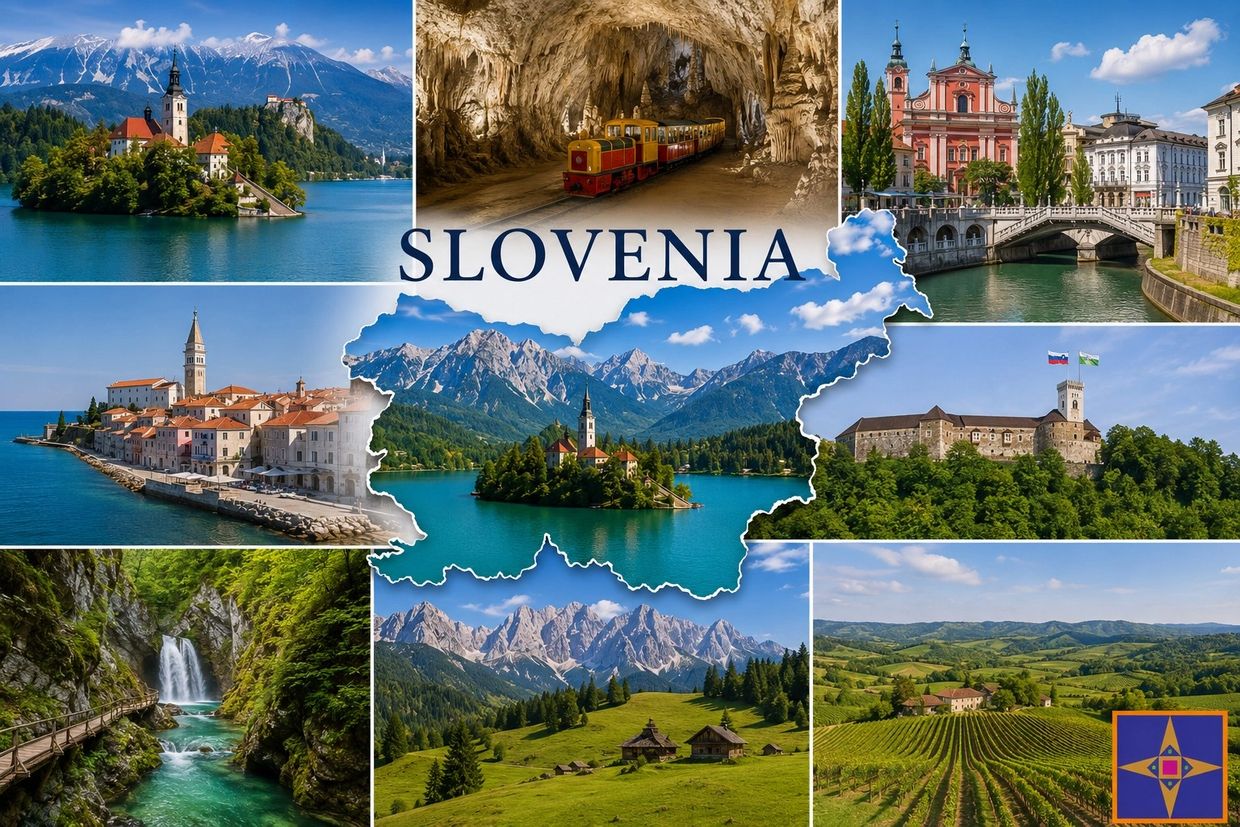
Experience the Best of slovenia with Us
Slovenia
Ljubljana
Ljubljana, Slovenia's charming capital, is a vibrant city known for its green spaces, picturesque riverside setting, and relaxed atmosphere. Visitors can stroll through the charming Old Town, admire Ljubljana Castle overlooking the city, and enjoy lively cafés along the Ljubljanica River. Its blend of history, culture, and sustainability makes it one of Europe's most delightful capitals.
What to eat: Carniolan sausage, štruklji (rolled dumplings), potica cake, local cheeses, and traditional Slovenian wines.
Lake Bled
Lake Bled is Slovenia's most iconic destination and one of the most photographed locations in Europe. Surrounded by mountains and forests, the emerald-green lake features a picturesque island church and a medieval castle perched on a cliff. Visitors can enjoy boat rides, scenic walks, and breathtaking panoramic views.
What to eat: Bled Cream Cake (Kremna Rezina), local trout, Slovenian pastries, and regional wines.
Piran
Located on Slovenia's Adriatic coast, Piran is a beautiful seaside town known for its Venetian architecture, narrow streets, and stunning sea views. Visitors can explore Tartini Square, walk along the historic walls, and enjoy a relaxed Mediterranean atmosphere.
What to eat: Fresh seafood, Adriatic fish dishes, squid, olive oil specialties, and local wines.
Postojna Cave
Postojna Cave is one of the world's most impressive karst cave systems. Visitors can explore spectacular underground chambers, unique rock formations, and hidden tunnels on a memorable train ride through the cave. It is one of Slovenia's most visited natural attractions.
What to eat: Traditional Slovenian cuisine, cured meats, local cheeses, and regional desserts.
Predjama Castle
Built dramatically into the entrance of a towering cliff, Predjama Castle is one of Europe's most extraordinary castles. Rich in legends and history, the castle offers visitors a fascinating glimpse into medieval life while showcasing one of the continent's most unique architectural settings.
What to eat: Slovenian stews, local sausages, homemade pastries, and regional specialties.
TRAVEL TIPS
Best Time to Visit
The best time to visit Slovenia is May to September, when the weather is ideal for sightseeing, outdoor activities, and exploring lakes, mountains, and coastal towns. Spring and early autumn offer pleasant temperatures, beautiful scenery, and fewer crowds.
Guidelines for Travelers
Slovenia is compact and easy to explore. Trains, buses, and rental cars provide convenient access to cities, lakes, mountains, and coastal destinations.
Weather conditions vary between alpine, coastal, and urban regions. Comfortable walking shoes and layered clothing are recommended throughout the year.
The official currency is the Euro (€). Credit and debit cards are widely accepted, although carrying some cash can be useful in smaller towns and rural areas.
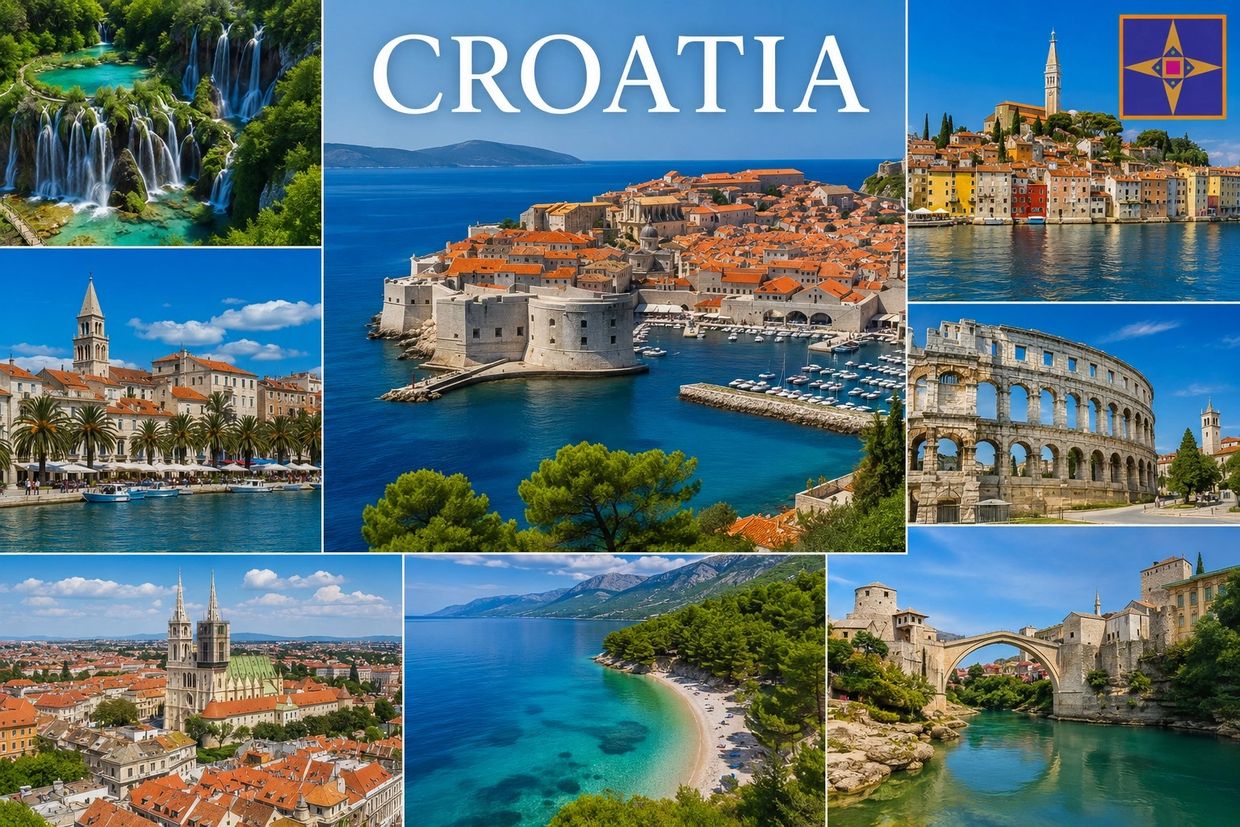
Experience the Best of croatia with Us
Croatia
Dubrovnik
Known as the "Pearl of the Adriatic," Dubrovnik is Croatia's most iconic destination. Surrounded by impressive medieval walls and overlooking the crystal-clear Adriatic Sea, the city offers a perfect blend of history, culture, and coastal beauty. Visitors can walk along the ancient city walls, explore the charming Old Town, and enjoy breathtaking sea views from every corner.
What to eat: Fresh seafood, black risotto, octopus salad, local wines, and traditional Dalmatian specialties.
Split
Split is a vibrant coastal city built around the remarkable Diocletian's Palace, a UNESCO World Heritage Site. Its lively waterfront promenade, historic streets, and beautiful beaches make it one of Croatia's most popular destinations. Split also serves as an excellent gateway to the Dalmatian Islands.
What to eat: Grilled fish, peka (slow-cooked meat or seafood), Croatian olive oil, and local wines.
Hvar Town
Located on one of Croatia's most beautiful islands, Hvar Town is famous for its luxury atmosphere, stunning harbor, and vibrant nightlife. Surrounded by lavender fields, crystal-clear waters, and secluded beaches, it is a favorite destination for travelers seeking both relaxation and elegance.
What to eat: Fresh seafood, lobster dishes, local cheeses, lavender-infused desserts, and Dalmatian wines.
Rovinj
Rovinj is a picturesque coastal town on the Istrian Peninsula, known for its colorful buildings, narrow cobblestone streets, and charming waterfront. Its romantic atmosphere and Italian influence make it one of Croatia's most beautiful destinations.
What to eat: Truffles, seafood pasta, Istrian prosciutto, olive oil, and regional wines.
Zadar
Zadar combines ancient history with innovative attractions. Visitors can explore Roman ruins, medieval churches, and the famous Sea Organ, which creates music from the movement of the waves. The city is also renowned for offering some of the most beautiful sunsets in the Adriatic.
What to eat: Seafood risotto, grilled fish, Pag cheese, local olive oils, and Croatian pastries.
Zagreb
Croatia's capital offers a unique blend of Austro-Hungarian elegance, vibrant culture, and contemporary charm. Visitors can stroll through the historic Upper Town, discover lively markets, and enjoy the city's welcoming cafés and museums.
What to eat: Štrukli (baked pastry with cheese), sausages, hearty stews, and traditional Croatian desserts.
Pula
Pula is best known for its remarkably preserved Roman Amphitheatre, one of the largest in the world. Located on the Istrian coast, the city offers a fascinating mix of ancient history, beautiful beaches, and Mediterranean charm.
What to eat: Istrian truffles, seafood dishes, local olive oils, cured meats, and regional wines.
Mljet Island
Mljet Island is one of Croatia's most peaceful and unspoiled destinations. Famous for its national park, saltwater lakes, and lush forests, it offers the perfect escape for nature lovers seeking tranquility and stunning landscapes.
What to eat: Fresh seafood, local honey, island cheeses, and traditional Dalmatian cuisine.
Korčula Island
Often referred to as "Little Dubrovnik," Korčula is known for its medieval old town, beautiful beaches, and rich maritime history. The island offers a perfect combination of culture, nature, and authentic Croatian charm.
What to eat: Seafood specialties, grilled fish, local wines, olive oils, and traditional island dishes.
Krka National Park
Krka National Park is one of Croatia's most spectacular natural attractions. Famous for its waterfalls, emerald pools, and scenic walking trails, the park offers visitors unforgettable opportunities to experience Croatia's natural beauty.
What to eat: Local cheeses, smoked meats, freshwater fish, and traditional Croatian specialties from the surrounding region.
TRAVEL TIPS
Best Time to Visit
The best time to visit Croatia is May to June and September to October, when temperatures are pleasant, the sea is warm, and tourist crowds are smaller. July and August are ideal for beach holidays and island hopping, while spring and autumn are perfect for sightseeing and outdoor activities.
Guidelines for Travelers
Croatia is well connected by buses, ferries, and domestic flights. Ferries are the most convenient way to explore the country's beautiful islands and coastal destinations.
Lightweight clothing is ideal during summer, while comfortable walking shoes are recommended for exploring historic towns, islands, and national parks.
The official currency is the Euro (€). Credit and debit cards are widely accepted, although carrying some cash may be useful in smaller towns and island communities.
Croatia is known for its warm hospitality, Mediterranean lifestyle, and rich cultural heritage. Respect local traditions and help preserve the country's natural and historical sites.
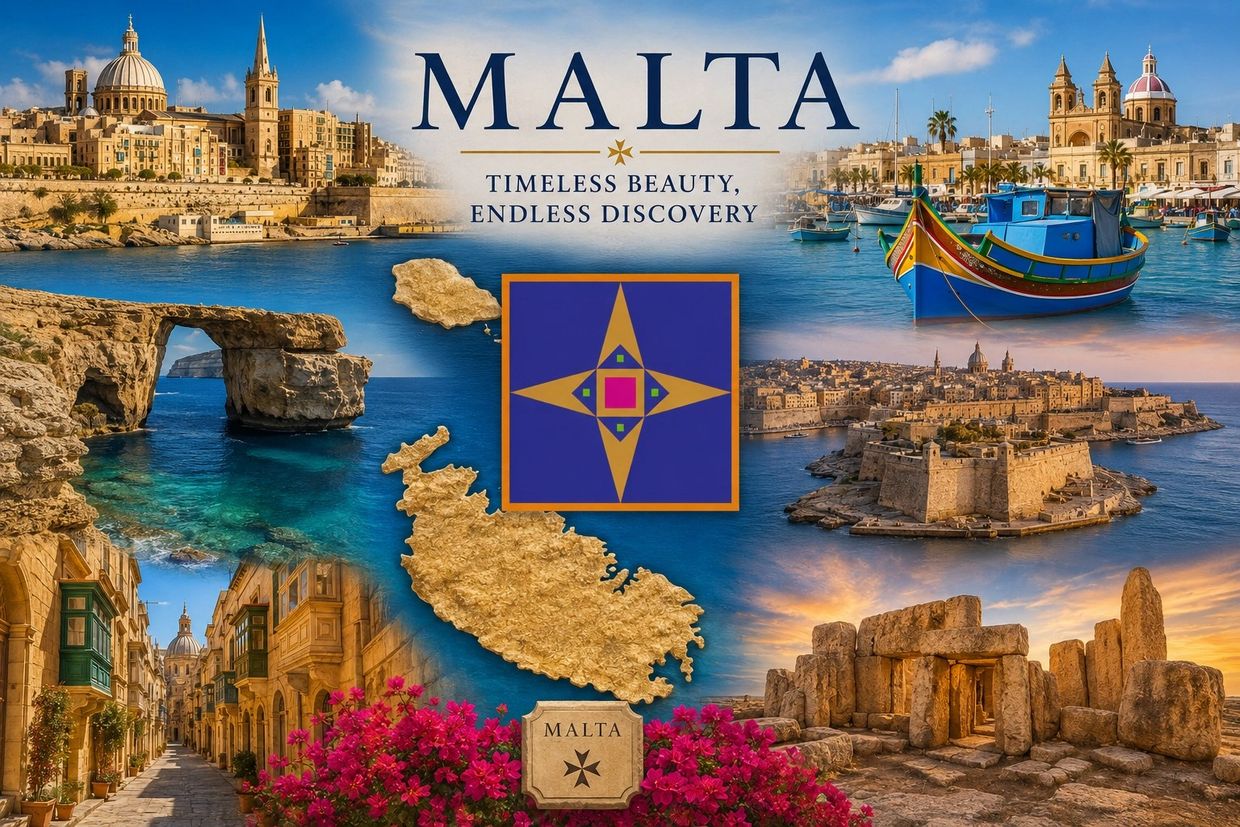
Experience the Best of Malta with Us
Malta
Valletta
Valletta, Malta's UNESCO-listed capital, is one of Europe's smallest yet most impressive cities. Built by the Knights of St. John, it is filled with grand palaces, historic fortifications, beautiful churches, and stunning views over the Mediterranean Sea. Visitors can explore centuries of history while enjoying elegant cafés and vibrant waterfronts.
What to eat: Pastizzi, rabbit stew, seafood pasta, lampuki pie, and traditional Maltese desserts.
Mdina
Known as the "Silent City," Mdina is Malta's ancient capital and one of the country's most atmospheric destinations. Its narrow medieval streets, honey-colored buildings, and panoramic viewpoints create a magical setting that feels frozen in time.
What to eat: Maltese pastries, local cheeses, rabbit dishes, and traditional sweets.
Sliema
Sliema is Malta's modern waterfront destination, known for its seaside promenade, shopping, restaurants, and spectacular views of Valletta. It offers a perfect blend of relaxation, entertainment, and Mediterranean charm.
What to eat: Fresh seafood, Mediterranean cuisine, local pastries, and Maltese specialties.
St. Julian's
St. Julian's is Malta's entertainment and nightlife hub, famous for its lively atmosphere, luxury hotels, waterfront dining, and beautiful coastal scenery. It is one of the island's most popular destinations for visitors seeking both relaxation and vibrant nightlife.
What to eat: Seafood platters, octopus dishes, pasta, and traditional Maltese cuisine.
Gozo
Gozo offers a slower pace of life and some of Malta's most beautiful landscapes. Known for its scenic coastline, charming villages, historic sites, and crystal-clear waters, it is perfect for nature lovers and travelers seeking authenticity.
What to eat: Gozitan cheese (ġbejna), fresh seafood, local wines, and traditional island cuisine.
Blue Lagoon
Located on the small island of Comino, the Blue Lagoon is one of Malta's most iconic natural attractions. Famous for its turquoise waters and white sandy seabed, it offers some of the best swimming and snorkeling experiences in the Mediterranean.
What to eat: Fresh seafood, local snacks, Mediterranean dishes, and refreshing island specialties.
Marsaxlokk
This picturesque fishing village is famous for its colorful traditional boats known as luzzus and its authentic seaside atmosphere. Visitors can enjoy fresh seafood restaurants, local markets, and stunning harbor views.
What to eat: Fresh fish, seafood platters, octopus stew, and local Maltese dishes.
TRAVEL TIPS
Best Time to Visit
The best time to visit Malta is April to June and September to October, when temperatures are warm and pleasant for sightseeing and beach activities. Summer is ideal for enjoying the sea, while spring and autumn offer fewer crowds and comfortable weather.
Guidelines for Travelers
Malta is easy to explore by bus, taxi, ferry, and ride-sharing services. Ferries provide convenient connections between Valletta, Sliema, Gozo, and Comino.
Malta enjoys a Mediterranean climate with hot summers and mild winters. Lightweight clothing, sunscreen, and comfortable walking shoes are recommended.
Malta combines Mediterranean traditions with British influences. Respect for religious sites and local customs is appreciated when visiting churches and historic landmarks.