
Experience the Best of BAHRAIN with Us
BAHRAIN
Bahrain
Bahrain is an island nation in the Arabian Gulf that combines ancient history with modern urban development. Visitors can explore the UNESCO-listed Qal'at al-Bahrain, discover traditional markets in Manama, and enjoy the country's thriving dining and nightlife scene. Bahrain is also known for its pearl-diving heritage and Formula One racing events. The welcoming atmosphere and rich cultural history make Bahrain an attractive destination for travelers. Must-try foods include Machboos, Bahraini Muhammar (sweet rice), grilled fish, shrimp dishes, Samboosa, and traditional sweets such as Halwa Bahraini.
TRAVEL TIPS
Best Time to Visit
NOVEMBER - APRIL
Guidelines for Travelers
Public Behavior: Showing affection in public (PDA), using bad language, and playing loud music in public places are not allowed at all.
Dress Code: You need to dress modestly in public areas such as malls and markets. You can only wear swimwear at the beach or in resort pools.
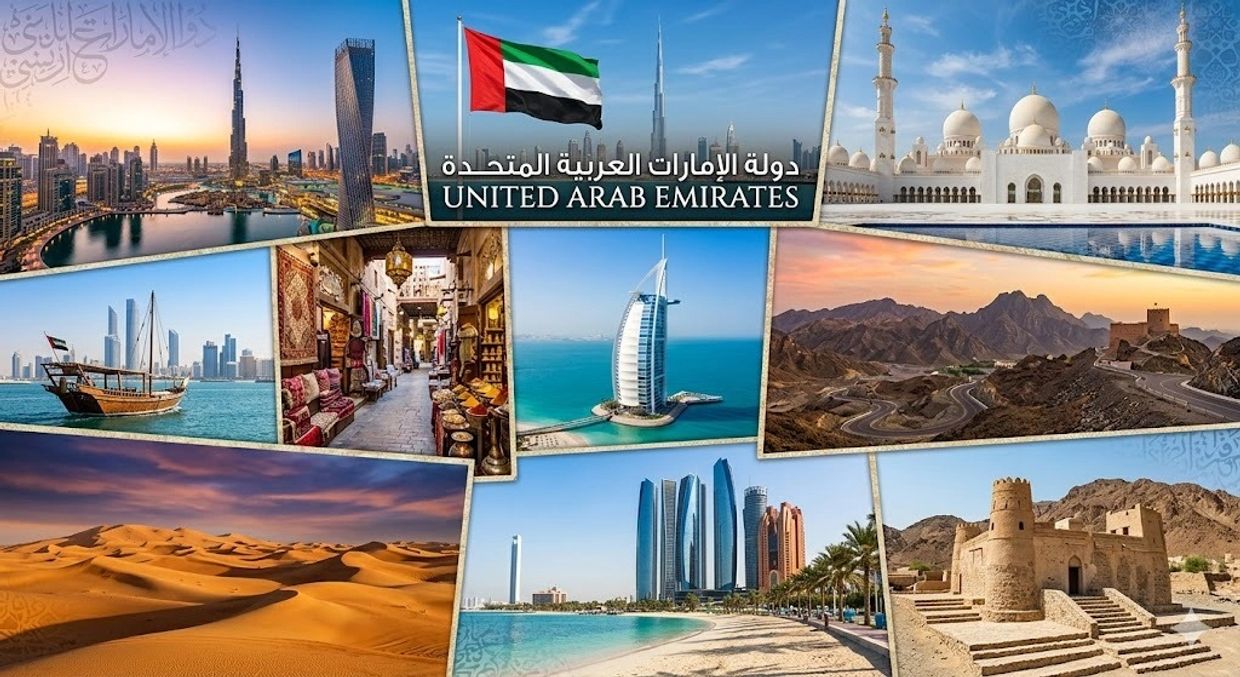
Experience the Best of UNITED ARAB EMIRATES with Us
UNITED ARAB EMIRATES (UAE)
Dubai, United Arab Emirates
Dubai is a world-renowned destination known for its futuristic skyline, luxury shopping, desert adventures, and vibrant cultural experiences. Visitors can admire the iconic Burj Khalifa, explore the traditional souks along Dubai Creek, enjoy thrilling desert safaris, relax on pristine beaches, and visit family-friendly attractions such as Dubai Mall and Palm Jumeirah. Dubai perfectly blends modern innovation with Emirati heritage, making it one of the most popular tourist destinations in the Middle East. Food lovers should try traditional Emirati dishes such as Al Harees, Machboos (spiced rice with meat), Luqaimat (sweet dumplings), grilled seafood, shawarma, and camel milk-based desserts.
Abu Dhabi, United Arab Emirates
Abu Dhabi, the capital of the UAE, offers a mix of cultural heritage, modern architecture, and coastal beauty. The city is home to the magnificent Sheikh Zayed Grand Mosque, one of the largest and most beautiful mosques in the world. Visitors can also enjoy the cultural exhibits at Louvre Abu Dhabi, relax along the Corniche waterfront, and experience thrilling rides at Ferrari World Abu Dhabi. Abu Dhabi offers a more relaxed atmosphere compared to Dubai while still providing world-class attractions. Popular foods include Machboos, grilled lamb kebabs, fresh Gulf seafood, Madrouba, Emirati dates, and traditional Arabic coffee.
Sharjah, United Arab Emirates
Sharjah is widely recognized as the cultural capital of the UAE and is known for its museums, heritage sites, and family-friendly attractions. Visitors can explore the beautifully restored Heart of Sharjah district, visit the impressive Sharjah Museum of Islamic Civilization, and enjoy the scenic waterfront at Al Majaz. The emirate offers a deeper insight into Emirati traditions, arts, and history. Sharjah is also known for its vibrant markets and cultural festivals throughout the year. Travelers should sample local dishes such as Harees, Thareed, grilled meats, stuffed vine leaves, Arabic mezze platters, and sweet treats like Kunafa.
Al Ain, United Arab Emirates
Known as the "Garden City" of the UAE, Al Ain is famous for its lush oases, historical landmarks, and natural beauty. Visitors can explore the UNESCO-listed Al Ain Oasis, discover the history of the region at Al Jahili Fort, and enjoy panoramic views from Jebel Hafeet. Al Ain offers a refreshing contrast to the skyscrapers of Dubai and Abu Dhabi, providing a more traditional and nature-focused experience. Traditional Emirati cuisine such as Machboos, grilled meats, dates, camel meat dishes, and freshly baked Arabic bread are highly recommended.
TRAVEL TIPS
Best Time to Visit
NOVEMBER - APRIL
Guidelines for Travelers
Medication: The UAE has a very strict rule against illegal drugs and some prescription medicines (like narcotics and psychotropic substances). Always make sure to have your original doctor's prescription with you.
Public Behavior: Showing affection in public (PDA), using bad language, and playing loud music in public places are not allowed at all.
Dress Code: You need to dress modestly in public areas such as malls and markets. You can only wear swimwear at the beach or in resort pools.
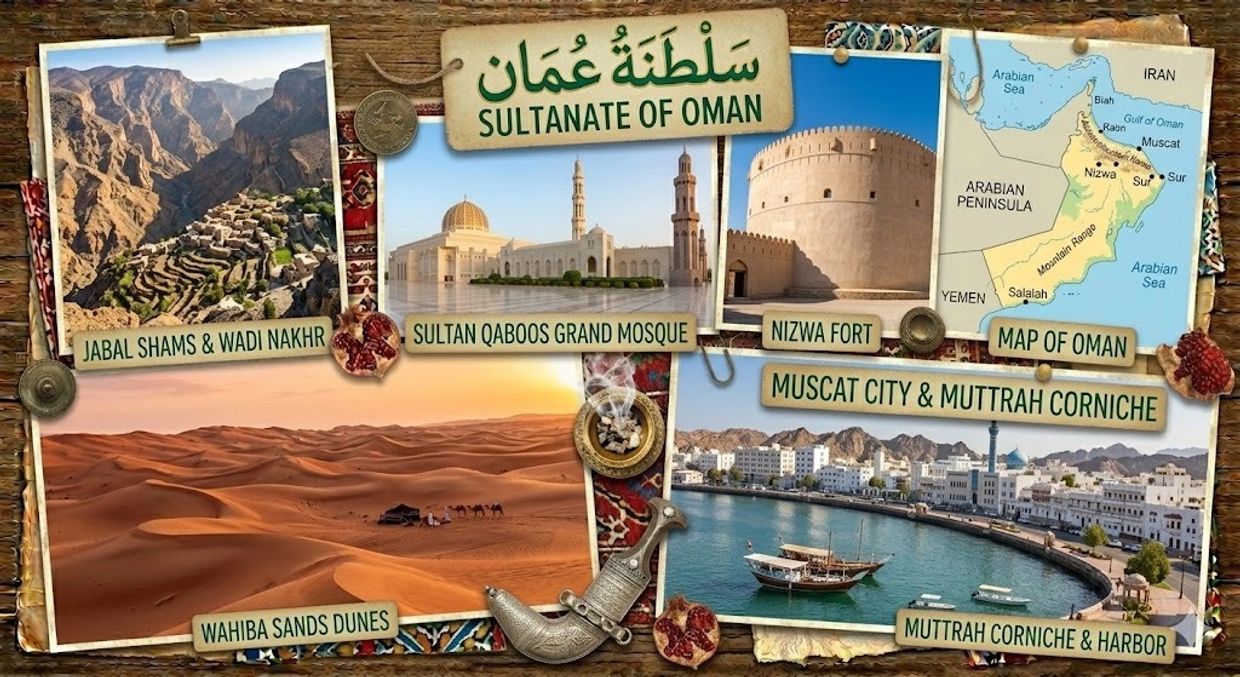
Experience the Best of OMAN with Us
OMAN
Muscat, Oman
Muscat, the capital of Oman, is known for its stunning coastline, traditional architecture, and warm hospitality. Visitors can admire the magnificent Sultan Qaboos Grand Mosque, stroll along the picturesque Muttrah Corniche, and explore the historic Muttrah Souq. The city offers a unique blend of modern comforts and authentic Omani culture. Surrounded by mountains and the Arabian Sea, Muscat is ideal for sightseeing, relaxation, and cultural exploration. Food enthusiasts should try Omani Shuwa (slow-cooked lamb), Majboos, grilled seafood, Mashuai (kingfish with rice), dates, and traditional Omani coffee.
Nizwa, Oman
Nizwa is one of Oman's most historically significant cities and was once the country's capital. It is famous for the impressive Nizwa Fort and its bustling traditional souq, where visitors can shop for silver jewelry, pottery, spices, and handicrafts. Surrounded by mountains and date plantations, Nizwa offers a fascinating glimpse into Oman's rich heritage and traditions. Local cuisine features dishes such as Shuwa, Omani bread, Majboos, date-based desserts, grilled meats, and aromatic rice preparations.
Salalah, Oman
Salalah is renowned for its lush green landscapes during the Khareef (monsoon) season, which transforms the region into a beautiful oasis unlike anywhere else in the Arabian Peninsula. Visitors can enjoy waterfalls, mist-covered mountains, coconut plantations, and pristine beaches. Attractions include Al Mughsail Beach and the frankincense heritage sites that highlight the area's historical importance. Salalah's cuisine includes fresh seafood, grilled fish, Omani rice dishes, coconut-based specialties, Shuwa, and tropical fruits such as bananas and papayas grown locally.
Khasab, Oman
Khasab, located in the Musandam Peninsula, is often called the "Norway of Arabia" because of its spectacular fjord-like coastline. It is a paradise for nature lovers, offering dhow cruises, dolphin watching, snorkeling, and breathtaking mountain scenery. Visitors can explore Khasab Fort and discover traditional villages nestled among dramatic cliffs. Khasab is particularly popular for its unspoiled natural beauty and marine life. Food specialties include freshly caught fish, grilled seafood platters, Omani rice dishes, Shuwa, dates, and traditional Omani sweets.
These destinations together offer an excellent combination of modern cities, cultural heritage, natural wonders, desert adventures, and authentic Arabian cuisine, making them ideal for travelers seeking a comprehensive Gulf experience.
TRAVEL TIPS
Best Time to Visit
NOVEMBER- APRIL
Guidelines for Travelers
Photography: Always ask for permission before taking pictures of local people, especially women. You cannot take photos of military, police, or government buildings at all.
Alcohol: Alcohol is only allowed in licensed hotel bars and restaurants, and it is very controlled. Being drunk in public or drinking outside these areas is against the law.
Mosques: When you go to a mosque, you need to cover your whole body from your ankles to your wrists. Women must also wear a scarf to cover their hair.
Both men and women should dress modestly, making sure their shoulders and knees are covered. It's best to avoid wearing shorts, crop tops, or tight and revealing clothes in public places, local villages, and on public beaches.
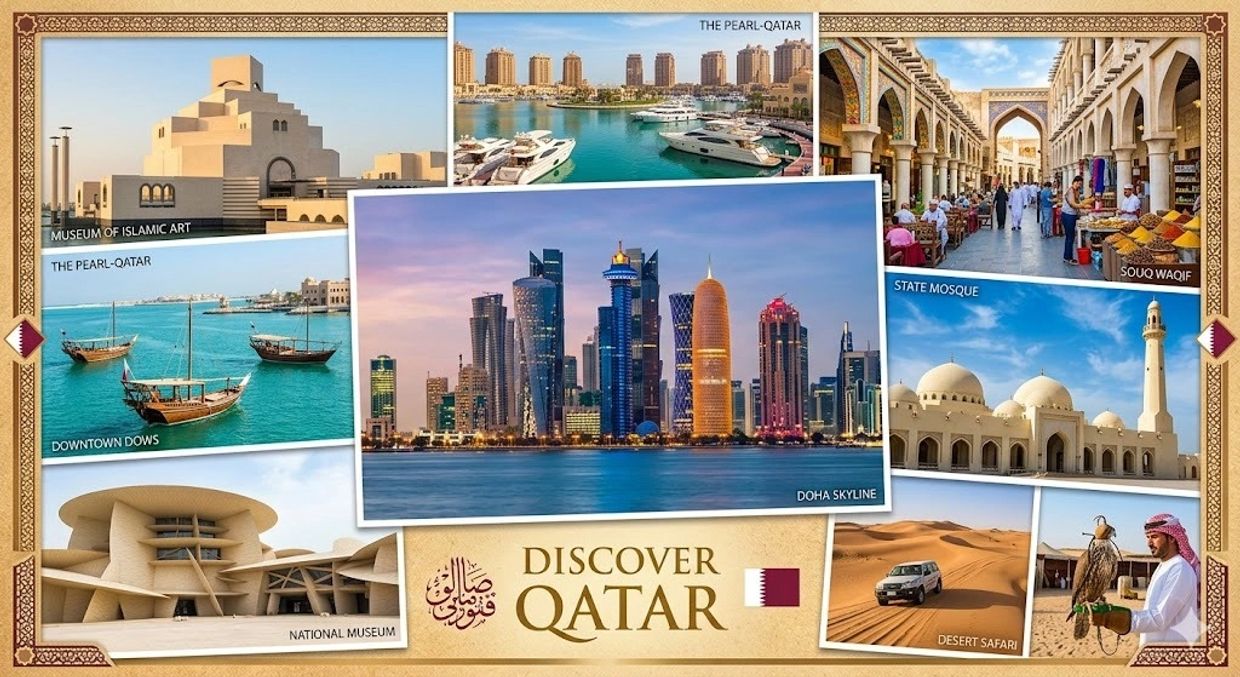
Experience the Best of QATAR with Us
QATAR
Qatar
Qatar is a rapidly growing tourism destination that combines modern architecture with authentic Arabian traditions. The capital city, Doha, offers attractions such as the stunning Museum of Islamic Art, the vibrant Souq Waqif, and the scenic Corniche waterfront. Visitors can also enjoy desert adventures, luxury shopping, and cultural festivals throughout the year. Qatar's cuisine reflects Gulf and Middle Eastern influences, with popular dishes including Machboos, Harees, grilled hammour fish, stuffed vegetables, Arabic mezze, and sweet desserts like Umm Ali.
TRAVEL TIPS
Best Time to Visit
NOVEMBER TO APRIL
Guidelines for Travelers
Photography: Always ask for permission before taking pictures of local people, especially women. You cannot take photos of military, police, or government buildings at all.
Alcohol: Alcohol is only allowed in licensed hotel bars and restaurants, and it is very controlled. Being drunk in public or drinking outside these areas is against the law.
Mosques: When you go to a mosque, you need to cover your whole body from your ankles to your wrists. Women must also wear a scarf to cover their hair.
Both men and women should dress modestly, making sure their shoulders and knees are covered. It's best to avoid wearing shorts, crop tops, or tight and revealing clothes in public places, local villages, and on public beaches.

Experience the Best of UZBEKISTAN with Us
UZBEKISTAN
Samarkand
Samarkand is one of the oldest cities in Central Asia and a highlight of the ancient Silk Road. The city is renowned for its magnificent Islamic architecture, particularly the iconic Registan Square, the stunning Gur-e-Amir Mausoleum, and the grand Bibi-Khanym Mosque. Travelers are captivated by its blue-tiled monuments, bustling bazaars, and rich cultural heritage that reflects centuries of trade and scholarship. While in Samarkand, be sure to try Samarkand Plov, a flavorful rice dish cooked with lamb, carrots, and spices. Other local specialties include shashlik (grilled meat skewers), freshly baked non bread, and traditional dried fruits and nuts sold in the local markets.
Tashkent
Tashkent, the capital of Uzbekistan, blends Soviet-era architecture with modern development and traditional Uzbek culture. Visitors can explore the historic Old City, the Khast Imam Complex, Chorsu Bazaar, and beautiful metro stations often regarded as underground museums. The city serves as a gateway to the country and offers vibrant nightlife, parks, and museums. Food lovers should sample Tashkent Plov, known for its rich flavor and generous portions. Other recommended dishes include manti (steamed dumplings), lagman (hand-pulled noodle soup), and samsa, a savory pastry baked in traditional clay ovens.
Bukhara
Bukhara is a UNESCO World Heritage city that preserves over 2,000 years of history. The city is famous for its well-preserved medieval architecture, including the Poi-Kalyan Complex, Ark Fortress, and Lyabi-Hauz Square. Walking through its narrow lanes feels like stepping back in time, making it one of the most atmospheric destinations in Central Asia. Culinary highlights include Bukhara Pilaf, often prepared with raisins and chickpeas, as well as shurpa (meat and vegetable soup), lamb kebabs, and traditional sweets enjoyed with green tea.
Khiva
Khiva is a beautifully preserved open-air museum surrounded by ancient city walls. The walled inner city, Itchan Kala, features palaces, mosques, madrasas, and minarets that transport visitors to the era of Silk Road caravans. Its compact layout makes it ideal for exploring on foot. Visitors should try Khorezm-style dishes, particularly Shivit Oshi, green dill noodles served with meat and vegetables. Other local delicacies include lamb stews, kebabs, and freshly baked bread.
TRAVEL TIPS
Best Time to Visit
spring (April to May) and autumn (September to October) .
Guidelines for Travelers
Customs Declaration: When you arrive, make sure to fill out a customs declaration form. If you have any money, electronics, or valuable items like jewelry that you don't declare when you enter, they could be taken away.
Keep all prescription medications in their original containers and have the doctor's prescription with you. It's important to tell customs about all your medications when you arrive to avoid any legal issues.
Drones: Bringing in and using drones without permission is against the law and can lead to fines, being held by authorities, and having your equipment taken away.
If you visit active religious places, madrassahs, and mosques, please dress modestly. Women should cover their shoulders, and both men and women should wear clothes that cover their knees.
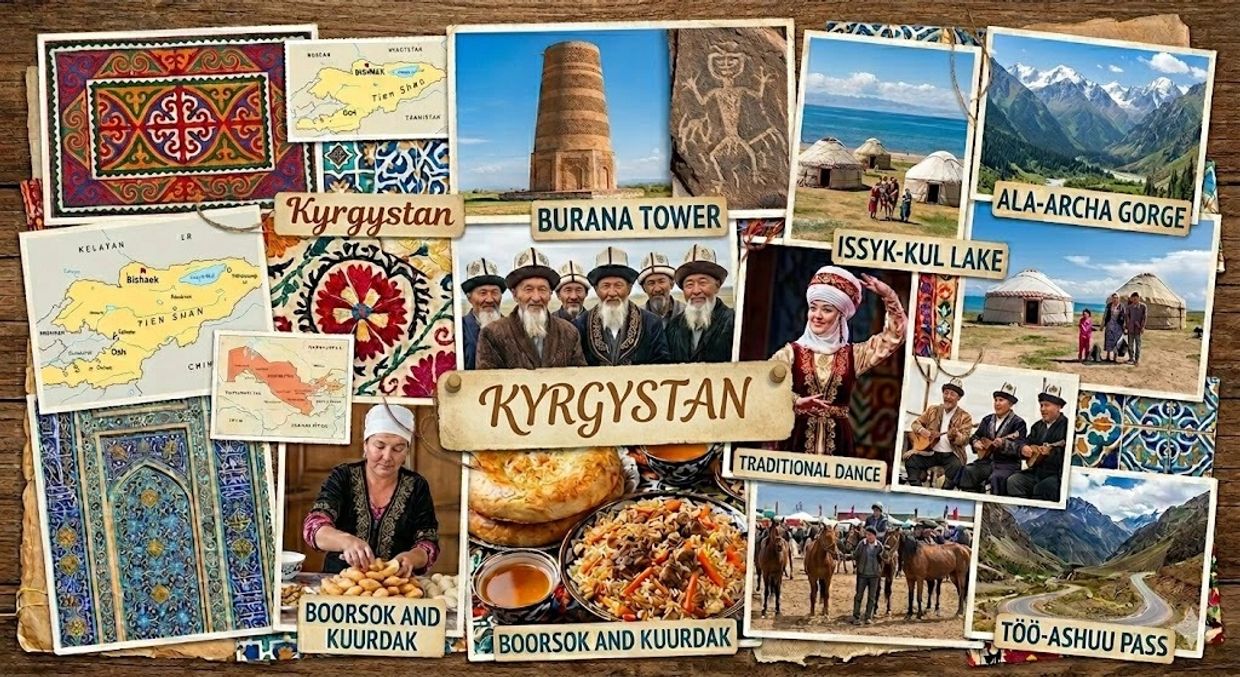
Experience the Best of KYRGYZSTAN with Us
KYRGYZSTAN
Bishkek
Bishkek, the capital of Kyrgyzstan, is known for its wide boulevards, leafy parks, and Soviet-era monuments. The city serves as a convenient base for exploring the country's stunning mountains and lakes. Visitors can enjoy Ala-Too Square, Osh Bazaar, and vibrant local cafes. Traditional foods to try include Beshbarmak, Kyrgyzstan’s national dish made of boiled meat and noodles, manty, and lagman. Pair your meal with kumis, a traditional fermented mare's milk drink.
Karakol
Nestled near the eastern shore of Issyk-Kul Lake, Karakol is a paradise for nature lovers and adventure seekers. The town offers access to hiking trails, alpine lakes, ski resorts, and the scenic Terskey Alatau Mountains. Attractions include the Russian Orthodox Cathedral and Dungan Mosque. Karakol is famous for Ashlyan-Fu, a spicy cold noodle dish introduced by the Dungan community. Visitors should also sample grilled meats, lagman, and local honey.
Osh
Osh is one of Central Asia's oldest cities and is often called the "Southern Capital" of Kyrgyzstan. The city is best known for Suleiman-Too Mountain, a UNESCO World Heritage Site and important pilgrimage destination. Osh's vibrant bazaars offer an authentic cultural experience. Food enthusiasts should try Osh Plov, considered among the best in Central Asia, as well as kebabs, samsa, and freshly baked breads.
Cholpon-Ata
Located on the northern shore of Issyk-Kul Lake, Cholpon-Ata is Kyrgyzstan's premier lakeside resort destination. Visitors enjoy beaches, water sports, mountain scenery, and the famous open-air petroglyph museum. The town is particularly lively during summer. Fresh lake fish, grilled trout, beshbarmak, and local dairy products are highly recommended while visiting.
Altyn Arashan
Altyn Arashan is a breathtaking alpine valley famous for its natural hot springs, dramatic mountain landscapes, and trekking opportunities. Accessible via rugged mountain routes from Karakol, it is a favorite destination for hikers and nature photographers. Visitors often enjoy hearty mountain meals including lamb stews, grilled meats, homemade bread, and fresh dairy products prepared by local guesthouses.
TRAVEL TIPS
Best Time to Visit
spring (April to May) and autumn (September to October) .
Can be visited all year round.
Guidelines for Travelers
Altitude Sickness: A lot of trekking spots and mountain passes are higher than 3,000 meters. Make sure to bring the right medications and give yourself time to get used to the altitude.
Clothing: Bring clothes in layers, even if it's summer. Quick-dry shirts, a good down jacket, and waterproof rain gear are really important for the changing mountain weather.
Electronics: In Kyrgyzstan, they use European-style Type C and F plugs (220V).
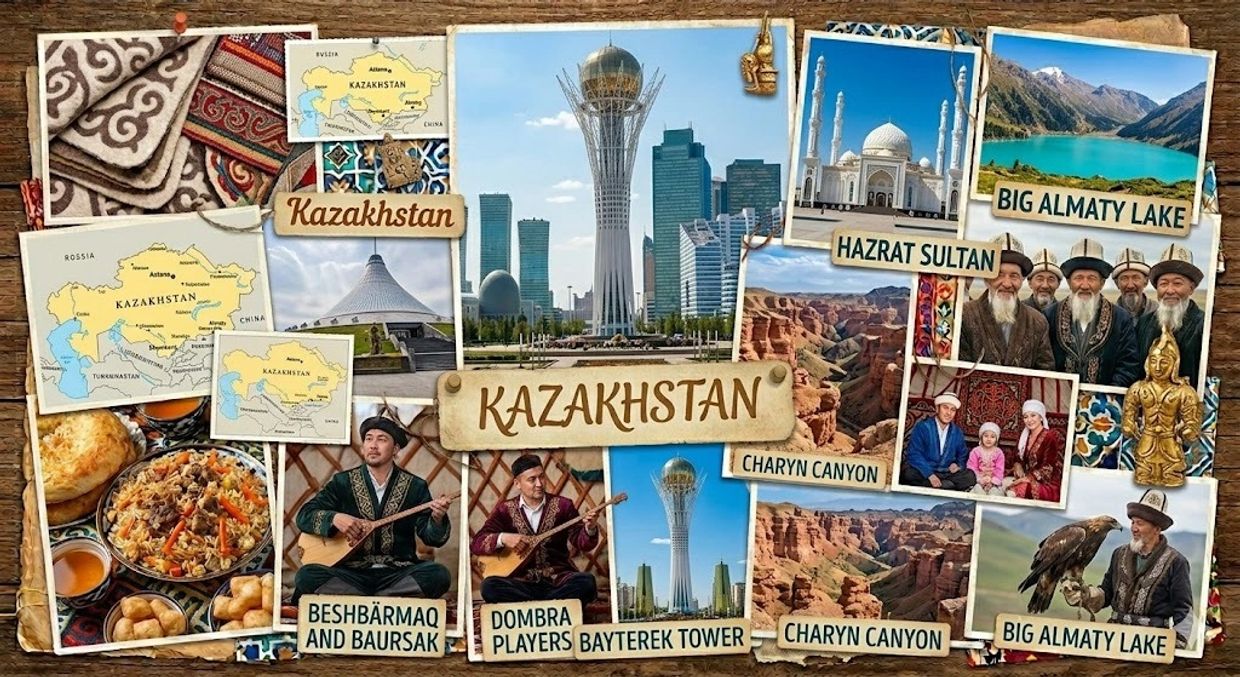
Experience the Best of KAZAKHSTAN with Us
KAZAKHSTAN
Almaty
Almaty, Kazakhstan's largest city, is surrounded by the spectacular Tian Shan Mountains and offers a perfect blend of urban sophistication and natural beauty. Popular attractions include Kok-Tobe Hill, Medeu Ice Rink, Shymbulak Ski Resort, and Big Almaty Lake. Food lovers should try Kazakh Beshbarmak, horse meat specialties, kazy sausage, lagman, and traditional baursak fried bread.
Astana
Astana, Kazakhstan's futuristic capital, impresses visitors with its striking modern architecture and innovative urban design. Landmarks include Bayterek Tower, Khan Shatyr Entertainment Center, and the National Museum. The city showcases Kazakhstan's ambition and cultural identity. Traditional dishes to enjoy include beshbarmak, manty, horse meat delicacies, and rich meat broths served during celebrations.
Turkistan
Turkistan is one of Kazakhstan's most important spiritual centers and home to the magnificent Mausoleum of Khoja Ahmed Yasawi, a UNESCO World Heritage Site. The city attracts pilgrims and history enthusiasts alike. Visitors should sample regional specialties such as lamb pilaf, kebabs, traditional flatbreads, and local sweets enjoyed with tea.
Shymkent
Shymkent is a vibrant southern city known for its lively markets, parks, and warm hospitality. It serves as a gateway to nearby historical and natural attractions. The city's culinary scene reflects strong Uzbek influences, making it an excellent place to enjoy plov, shashlik, samsa, and flavorful noodle dishes.
Charyn Canyon
Often referred to as Central Asia's Grand Canyon, Charyn Canyon is one of Kazakhstan's most spectacular natural wonders. Its dramatic rock formations and scenic hiking trails attract nature lovers and photographers from around the world. Visitors typically enjoy picnic-style meals featuring grilled meats, traditional breads, dried fruits, and local cheeses while exploring the canyon.
Baikonur
Baikonur is globally famous as the home of the Baikonur Cosmodrome, the world's first and largest operational space launch facility. Space enthusiasts can visit museums, witness rocket launches (subject to schedules), and learn about the history of human spaceflight. Traditional Kazakh cuisine, including beshbarmak, manty, and hearty meat dishes, is commonly served in the region.
TRAVEL TIPS
Best Time to Visit
spring (April to May) and autumn (September to October) .
Can be visited all year round
Guidelines for Travelers
- Carry a Travel Insurance
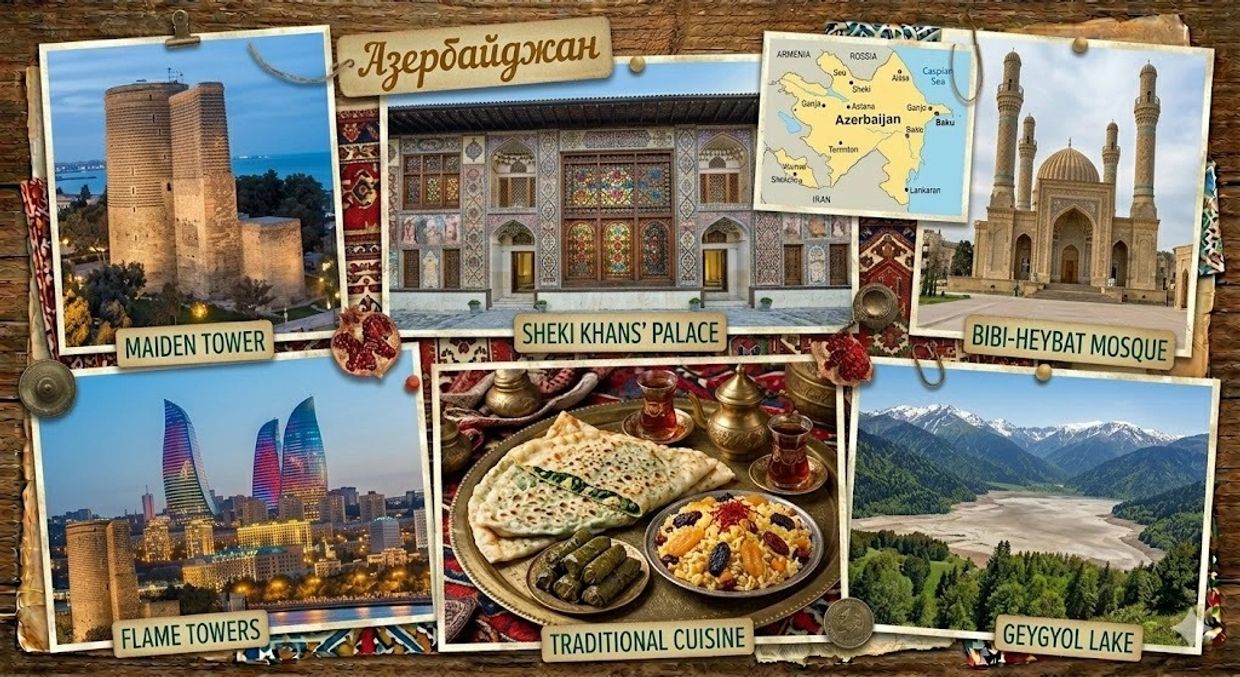
Experience the Best of AZERBAIJAN with Us
AZERBAIJAN
Baku
Baku, the capital of Azerbaijan, sits on the shores of the Caspian Sea and combines ancient history with modern architecture. Visitors can explore the UNESCO-listed Old City, Flame Towers, Heydar Aliyev Center, and scenic Baku Boulevard. Food highlights include Azerbaijani Plov, Dolma, Kebabs, Qutab (stuffed flatbread), and sweet Pakhlava.
Gobustan National Park
Gobustan National Park is famous for its prehistoric rock carvings, mud volcanoes, and archaeological significance. Visitors can discover ancient petroglyphs dating back thousands of years while enjoying unique landscapes. Nearby restaurants serve delicious Azerbaijani kebabs, qutab, and fresh salads accompanied by traditional tea.
Khizi
Khizi is renowned for its colorful Candy Cane Mountains, featuring striking red, pink, and white striped hills unlike anywhere else in the world. The region offers spectacular photography opportunities and scenic drives. Local cuisine includes lamb dishes, village-style breads, fresh dairy products, and traditional Azerbaijani soups.
Gabala
Gabala is one of Azerbaijan's premier mountain resort destinations, surrounded by forests, waterfalls, and scenic mountain landscapes. Activities include cable car rides, hiking, and visits to nearby lakes. Visitors should try local trout, kebabs, qutab, and seasonal fruit preserves made from locally grown produce.
Shahdag
Shahdag is Azerbaijan's leading mountain and ski resort, attracting visitors year-round for skiing, hiking, and adventure activities. The stunning Caucasus Mountain scenery makes it a favorite among outdoor enthusiasts. Traditional meals include grilled lamb, soups, mountain honey, dairy products, and hot tea.
Red Village
Red Village, near Quba, is one of the world's few all-Jewish settlements outside Israel and the United States. It offers fascinating cultural and historical insights into Azerbaijan's Mountain Jewish community. Visitors can enjoy local pastries, Azerbaijani plov, kebabs, and homemade sweets.
Quba
Quba is known for its lush apple orchards, mountain scenery, and traditional carpet weaving. Popular attractions include waterfalls, forests, and nearby mountain villages. Food specialties include apple-based desserts, kebabs, qutab, and freshly prepared village-style dishes made with local ingredients.
TRAVEL TIPS
Best Time to Visit
spring (April to May) and autumn (September to October) .
Can be visited all year round
Guidelines for Travelers
- Carry a Travel Insurance
Strict Customs: Don't bring metal acupressure tools, brass knuckles, or anything like that, because they're not allowed.
Geopolitical Caution: It's important not to go to the Nagorno-Karabakh area without official permission since it's full of landmines and has a lot of restrictions.
Photography: Please avoid taking pictures of military sites, government buildings, or police officers.